

Ultimate Guide to Balm Cream: Uses, Benefits, and Tips 2025
Discover why balm cream is quickly becoming the must-have skincare essential for 2025. As more people seek gentle, effective solutions for every skin type, this guide will help you understand what balm creams are, how they work, and why they are transforming routines worldwide. You will learn about key ingredients, unique benefits, expert application tips, and how to choose the right formula for your needs. Ready to unlock softer, healthier skin? Explore everything you need to know right here.
What Is Balm Cream? Definition, History & 2025 Trends
Balm cream has become a standout in skincare, known for its rich, nourishing qualities and transformative effects. At its core, a balm cream is a deeply moisturizing blend of natural oils, butters, and waxes that creates a protective layer on the skin. Unlike lighter lotions, balm creams deliver concentrated hydration, making them ideal for dry, sensitive, or aging skin.
The history of balm creams stretches back centuries. Traditional balms were simple mixtures, often used for healing wounds or soothing chapped skin. Over time, modern balm creams have evolved, blending advanced botanical extracts with time-honored ingredients for enhanced results. This evolution has made balm cream a cornerstone in both traditional and contemporary skincare routines.
A common question arises: how does balm cream compare to lotions and ointments? The main differences lie in texture, composition, and intended use. Balm creams are denser and more occlusive, while lotions are lighter and water-based. Ointments, on the other hand, usually contain fewer water components and are more suitable for medical or targeted uses.
Here is a quick comparison:
| Product Type | Texture | Key Ingredients | Primary Use |
|---|---|---|---|
| Balm Cream | Rich, dense | Oils, butters, waxes | Deep hydration, barrier care |
| Lotion | Light, fluid | Water, oils, emulsifiers | Daily moisture, quick absorption |
| Ointment | Thick, greasy | Petrolatum, waxes | Healing, medical relief |
For a deeper dive into how balm creams differ from lotions, check out this detailed Tallow Balm vs Lotion Comparison guide.
Interest in balm cream has surged in recent years. According to Google Trends, searches for "balm cream" have increased by over 60 percent since 2022. Leading beauty retailers also report a significant uptick in balm cream sales, reflecting growing consumer demand for intensive hydration and barrier support.
Looking ahead to 2025, balm cream innovation is accelerating. New whipped textures offer a lighter, cloud-like feel while advanced botanical blends – such as blue tansy and adaptogens – target specific skin concerns. Multi-purpose balm cream formulas are also emerging, designed for face, body, and even hair care. Industry experts highlight these trends as part of the broader shift toward minimalist, barrier-focused skincare.
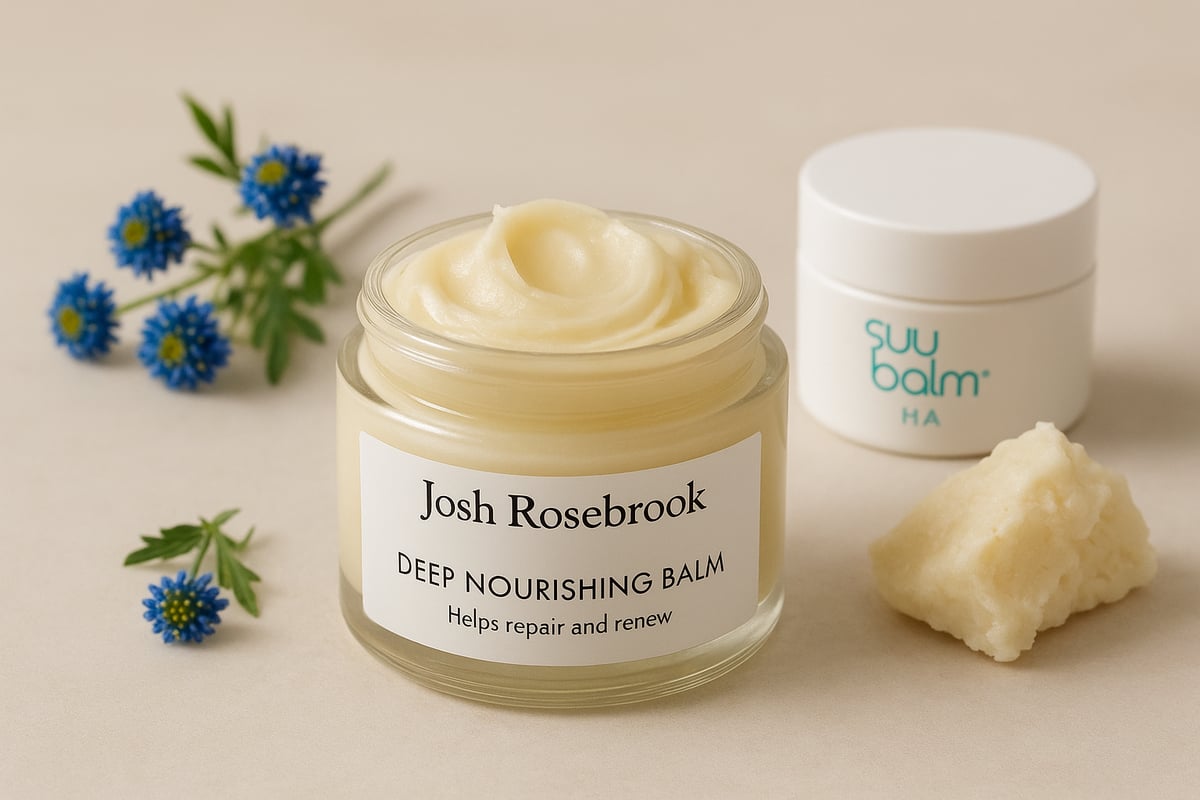
Several brands are setting the standard in this space. Josh Rosebrook’s Vital Balm Cream is celebrated for its potent blend of plant extracts and mango seed butter. Suu Balm stands out for its dermatologist-recommended formula, especially for sensitive or eczema-prone skin. Waterless and tallow-based balm creams are also gaining popularity for their purity and sustainability.
Consumers are increasingly choosing balm cream for its versatility and effectiveness. Those with sensitive, dry, or mature skin report noticeable improvements in softness and resilience. Examples like blue tansy-infused balms and traditional tallow creams demonstrate the appeal of both modern and classic approaches. As more people seek gentle, multi-use solutions, balm cream is expected to remain a top skincare essential in 2025.
Key Ingredients in Balm Creams and Their Benefits
The effectiveness of any balm cream comes down to its carefully selected ingredients. From nourishing oils to advanced hydrators, the right blend transforms how your skin feels and looks. Understanding these ingredients helps you choose a balm cream best suited for your unique needs.
Natural Oils and Butters
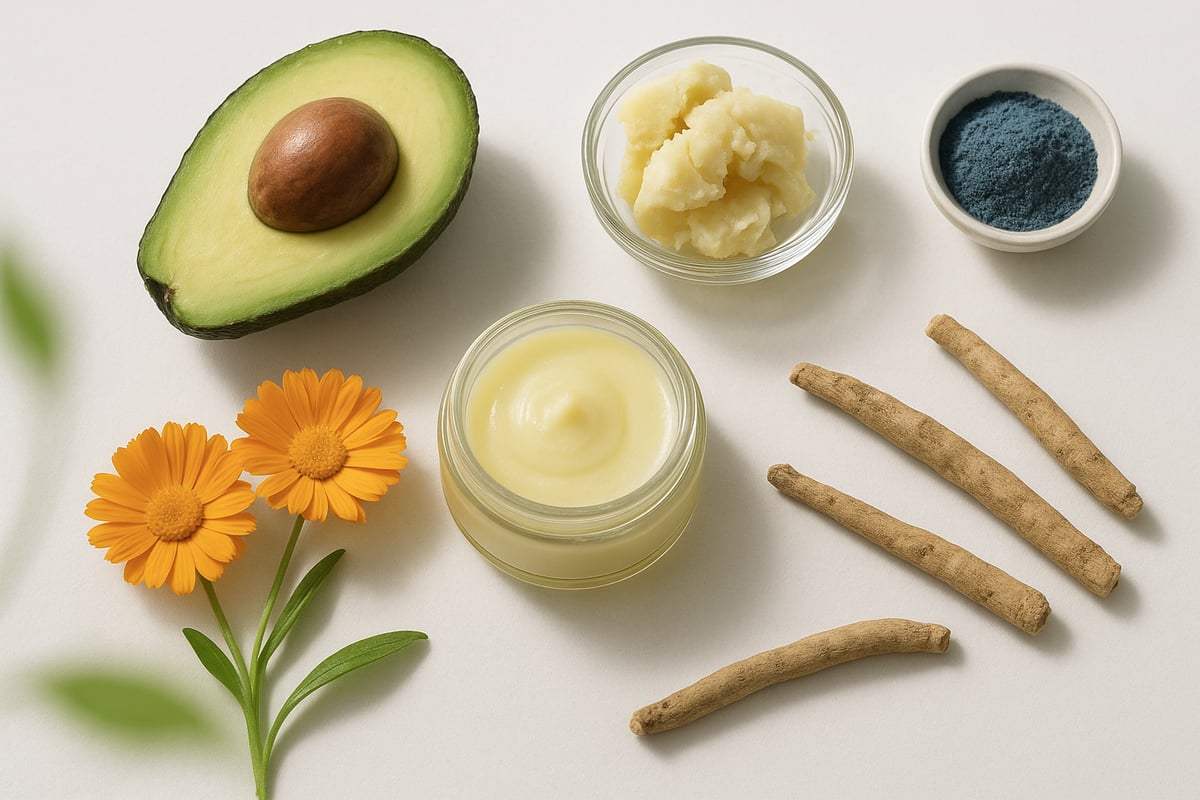
Natural oils and butters form the foundation of most balm cream formulas. These ingredients deliver deep nourishment, reinforce the skin barrier, and restore softness.
Common oils include:
- Avocado oil: packed with vitamins and fatty acids, it soothes and replenishes dry or stressed skin.
- Jojoba oil: closely mimics skin’s natural sebum, balancing hydration for all skin types.
- Borage seed oil: rich in gamma-linolenic acid, it calms irritation and supports barrier repair.
- Sea buckthorn oil: loaded with antioxidants and omega fatty acids, it helps rejuvenate and brighten the complexion.
Butters offer a unique texture and lasting protection:
- Mango seed butter: locks in moisture, leaving skin supple and smooth.
- Shea butter: known for its emollient and healing qualities, it’s ideal for dry, flaky, or sensitive skin.
Here’s a quick overview:
| Ingredient | Function | Example Product |
|---|---|---|
| Mango Seed Butter | Deep nourishment, repair | Vital Balm Cream |
| Avocado Oil | Hydration, softening | Suu Balm |
| Shea Butter | Barrier support, soothing | Many balm creams |
For a deeper dive into how traditional and modern butters are blended for optimal results, see the Benefits and Uses of Whipped Tallow Balm.
Botanical Extracts and Antioxidants
Botanical extracts elevate balm cream benefits by calming, protecting, and revitalizing the skin. Herbal actives like ashwagandha, calendula, and rose hips provide anti-inflammatory and reparative benefits.
- Ashwagandha extract: reduces redness and supports the skin’s resilience.
- Calendula: soothes irritation, making balm cream suitable for sensitive and reactive skin.
- Turmeric: delivers antioxidants that defend against environmental stressors and premature aging.
- Rose hips: supply vitamin C and help brighten uneven tone.
Clinical studies have shown that balm creams with antioxidant botanicals can significantly reduce redness and improve skin hydration within just a few weeks. These plant-based compounds work together to reinforce the skin’s natural defenses, making balm cream a smart choice for daily care and recovery.
Modern Additions: Hyaluronic Acid & Polysaccharides
Recent innovations in balm cream center around advanced hydrators. Botanical hyaluronic acid, often sourced from Indian Senna Seed, and plant-based polysaccharides are now common in premium formulas.
These components help:
- Attract and retain water for a plumping effect.
- Improve skin texture and elasticity.
A 2024 clinical study with 30 participants found that consistent use of balm cream containing these modern hydrators led to visibly plumper, more hydrated skin after four weeks. This new generation of balm cream delivers results that rival traditional moisturizers, with a richer, more protective feel.
Fragrance, Preservatives, and Sensitive Skin Considerations
Balm cream formulations are increasingly designed for sensitive and reactive skin. Brands now offer both scented and fragrance-free options.
- Essential oils: provide natural scents but may irritate some users.
- Fragrance-free formulas: ideal for those with allergies or sensitivities.
- Preservatives: gentle alternatives like potassium sorbate and non-GMO xanthan gum prevent spoilage without harsh effects.
Choosing a balm cream with minimal fragrance and safe preservatives ensures better compatibility with delicate skin. Always patch test new products and opt for unscented versions if you are prone to irritation.
Primary Uses of Balm Creams: Face, Body & More
Balm cream stands out as a versatile solution in modern skincare, addressing needs from head to toe. Its unique blend of nourishing oils and butters makes it a go-to choice for those seeking effective hydration, barrier repair, and targeted relief. Explore the primary uses of balm cream and discover how this multi-purpose product can elevate every step of your skincare routine.
Facial Moisturizer for All Skin Types
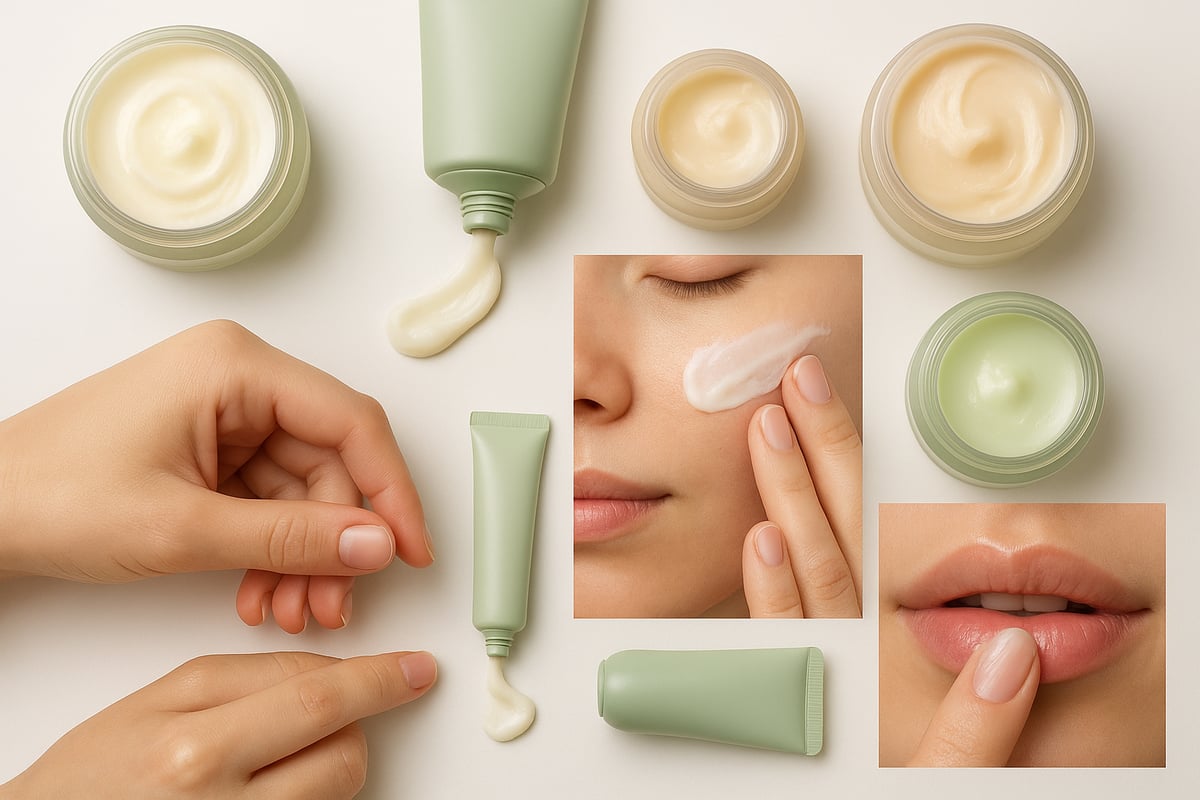
Balm cream offers deep, lasting hydration that benefits every skin type, from dry and mature to sensitive and combination. Its rich yet non-greasy texture adapts to individual needs, providing moisture without clogging pores. Lightweight formulas suit oily or blemish-prone skin, while richer blends support those with dryness or signs of aging.
For example, Vital Balm Cream is renowned for balancing and soothing skin, even for those prone to breakouts. Apply a small amount after cleansing and toning to lock in hydration and improve elasticity. Balm cream’s ability to nourish and condition makes it an essential step for facial care.
Body Care and Targeted Relief
Balm cream excels at treating dry, rough areas such as hands, elbows, knees, and feet. Its concentrated formula delivers intense moisture to even the most stubborn patches, restoring softness and comfort. Those with eczema-prone or chapped skin find relief through ingredients that calm irritation and support healing.
Products like Suu Balm are formulated for rapid itch relief and can be a lifeline for those managing psoriasis or chronic dryness. For more on how balm creams help soothe eczema, see Tallow Balm for Eczema Relief. Targeted application is simple—massage a pea-sized amount into affected areas as often as needed.
Barrier Repair and Protection
Strengthening the skin’s natural barrier is a key benefit of balm cream. By forming a protective seal, it helps defend against environmental aggressors, pollutants, and moisture loss. This is especially useful for those exposed to frequent hand washing, harsh soaps, or extreme climates.
Clinical studies have shown balm cream can significantly reduce trans-epidermal water loss, resulting in improved skin resilience. Regular use helps maintain a healthy barrier, keeping skin supple and less prone to irritation. Choose formulas rich in ceramides, fatty acids, and botanical extracts for optimal repair.
Aftercare for Procedures and Harsh Weather
Balm cream is a trusted ally for post-procedure skin, offering gentle soothing after treatments like lasers, peels, or microdermabrasion. Its calming properties help reduce redness and discomfort, supporting the skin’s recovery process. In challenging weather, balm cream shields against dryness caused by wind, cold, or sun exposure.
Apply a thin layer to vulnerable areas immediately after a procedure or before venturing outdoors. The occlusive effect locks in moisture, preventing dehydration and promoting faster healing. For sensitive or compromised skin, opt for fragrance-free, dermatologist-tested options.
Multi-Tasking Uses: Lips, Cuticles, and More
Beyond face and body, balm cream shines as a multi-purpose staple. Use it as a nourishing lip balm, a cuticle softener, or a spot treatment for dry patches anywhere on the body. Its versatility streamlines routines, making it ideal for minimalist skincare enthusiasts and busy families alike.
Many users share testimonials praising balm cream for transforming their daily care routines. A single jar can address multiple needs, reducing clutter and simplifying self-care. Keep balm cream within reach for quick fixes and ongoing hydration wherever needed.
Benefits of Balm Creams: Why Choose Them in 2025?
Discovering the full range of benefits that a balm cream brings to your skincare routine can be transformative. In 2025, more users are turning to balm cream for both immediate relief and long-term skin health. Let us explore how this unique moisturizer stands out across hydration, repair, sensitivity, anti-aging, versatility, and eco-friendliness.
Deep, Long-Lasting Hydration
One of the standout features of any balm cream is its ability to deliver deep, long-lasting hydration. The occlusive nature of oils and butters creates a protective layer, helping lock in moisture and prevent water loss throughout the day.
Compared to traditional lotions, balm cream formulas remain effective for hours. Many users report that their skin feels soft and nourished from morning until night, even in dry climates or during harsh weather.
A key reason for this superior hydration is the concentrated blend of natural emollients. Ingredients like mango seed butter and avocado oil are chosen for their ability to penetrate and replenish the skin barrier, making balm cream ideal for those struggling with dry or flaky skin.
Skin Barrier Support and Repair
Supporting and repairing the skin barrier is crucial for maintaining overall skin health. Balm cream is especially effective thanks to its high content of fatty acids, ceramides, and plant-derived polysaccharides.
Clinical studies have shown that regular use of balm cream can reduce dryness and flakiness while strengthening the skin’s resilience against environmental stressors. This makes it a top choice for anyone experiencing compromised or sensitive skin.
By reinforcing the skin’s natural defenses, balm cream helps reduce trans-epidermal water loss and keeps irritants at bay, offering a reliable foundation for healthier, more comfortable skin.
Soothing Sensitive and Reactive Skin
For those with sensitive or reactive skin, balm cream offers soothing relief. Many formulas include anti-inflammatory botanicals such as calendula, blue tansy, and ashwagandha, which help calm redness and irritation.
Fragrance-free options are widely available, catering to individuals who may react to essential oils or synthetic scents. Users with eczema, rosacea, or easily irritated skin often find that balm cream provides gentle hydration without stinging or discomfort.
Real user feedback highlights the comfort and confidence restored by integrating balm cream into daily routines. The result is calmer, more balanced skin that feels protected and cared for.
Anti-Aging and Skin Renewal
Balm cream is not just about hydration—it also supports visible skin renewal. Rich in antioxidants and vitamins A, D, E, and K, balm cream helps combat oxidative stress, reduce fine lines, and improve elasticity.
Clinical case studies reveal that consistent application of balm cream over four weeks can lead to noticeable improvements in wrinkles and evenness of skin tone. The presence of nourishing oils and botanical extracts accelerates cell turnover and supports youthful radiance.
Incorporating balm cream into an anti-aging routine addresses both prevention and repair, making it a smart investment for mature skin seeking rejuvenation.
Versatility and Multi-Use Application
One of the most attractive benefits of balm cream is its versatility. It can be used on the face, body, lips, cuticles, and even dry patches, making it a true multitasker. This flexibility is perfect for anyone seeking a minimalist approach to skincare.
Families appreciate that a single balm cream can serve everyone’s needs, from adults to children. For those interested in the latest trends around multifunctional skincare and barrier health, see the insights in Skincare Trends Soaring in 2025.
Whether you need a daily moisturizer, a soothing aftercare product, or a targeted treatment for rough spots, balm cream adapts to a wide range of uses.
Eco-Friendly and Minimalist Formulations
Eco-conscious consumers are gravitating toward balm cream due to its waterless, concentrated formulas. These products reduce packaging waste and promote sustainable practices by using organic, cruelty-free, and ethically sourced ingredients.
Minimalist formulations mean fewer additives and preservatives, making balm cream safer for sensitive and compromised skin. The market trend toward eco-friendly beauty is driving the development of balm cream products that are both effective and environmentally responsible.
By choosing balm cream, you support a cleaner, greener approach to skincare without sacrificing results.
How to Use Balm Cream: Step-by-Step Application Guide
Unlocking the full potential of balm cream starts with a thoughtful application process. Each step is designed to maximize benefits while ensuring your skin remains healthy and radiant. Whether you are new to balm cream or looking to refine your routine, following these expert-backed guidelines will help you achieve optimal results.
Prepping Your Skin: Cleansing and Toning
Begin your balm cream routine with a clean canvas. Start by using a gentle cleanser to remove impurities, excess oil, and makeup. This ensures that your skin is free from debris that may block absorption.
Follow with a toner suited to your skin type. Toners help rebalance the skin’s pH and prep the surface for better penetration of balm cream. Look for alcohol-free formulas that calm rather than strip the skin. Proper prep allows the balm cream to deliver its nourishing actives deeper, maximizing hydration and barrier repair.
Application Techniques for Maximum Benefit
For best results, take a pea-sized amount of balm cream and warm it between your fingertips. This step softens the texture, making it easy to spread evenly. Gently press or massage the product onto your face, focusing on areas prone to dryness or irritation.
When layering, apply balm cream after lighter serums or treatments. This seals in active ingredients and provides an occlusive barrier. For a more detailed guide on application methods, see How to Use Tallow Balm. The right technique ensures your skin absorbs maximum moisture and nutrients.
When and How Often to Apply
Balm cream is versatile and can be used both morning and night. In the morning, a thin layer protects against environmental stressors and keeps skin hydrated throughout the day. At night, a richer application supports overnight repair and recovery.
Adjust the amount based on your skin’s needs and the climate. For dry, cold weather, consider using more balm cream. In humid conditions, a lighter touch may suffice. Consistency is key; daily use helps maintain healthy skin barrier function and lasting softness.
Tips for Different Skin Types and Concerns
Customize your balm cream routine to suit your individual skin type. If your skin is oily, use a minimal amount and focus on dry patches. Those with dry or mature skin may benefit from a thicker layer for extra nourishment.
Sensitive or reactive skin types should patch test new balm cream formulas before full application. Choose fragrance-free options if you are prone to irritation. For combination skin, apply balm cream only where needed, such as cheeks or around the eyes, to avoid excess shine.
Common Mistakes and How to Avoid Them
Avoid over-applying balm cream, as this can leave skin feeling greasy or cause pilling under makeup. Allow adequate absorption time before layering sunscreen or foundation.
Never skip patch testing, especially if you have sensitive skin or are trying a new product. Do not neglect cleansing before application; this can hinder the balm cream’s effectiveness. By following these steps, you will enjoy smooth, nourished, and comfortable skin all year round.
Choosing the Best Balm Cream for Your Skin in 2025
Selecting the ideal balm cream for your skincare routine in 2025 requires a thoughtful approach. With the rise in advanced formulas and consumer demand for results, understanding your skin’s needs is the first step. Consider the latest Emerging Skincare Trends in 2025 to inform your search, as innovations and ingredient transparency are shaping how people choose products. Let’s break down how to find the perfect balm cream for your skin.
Understanding Your Skin Type and Needs
Start by identifying your skin type, as this determines which balm cream formula will deliver the best results. Is your skin dry, sensitive, mature, or combination? Each type responds differently to textures and ingredients. For dry or mature skin, a richer balm cream with nourishing oils is often ideal. Sensitive skin may require fragrance-free or hypoallergenic options. Take note of any skin concerns like redness or eczema, as targeted balm cream products exist for these needs. Remember, a tailored approach helps you maximize the benefits and comfort of your chosen balm cream.
Ingredient Checklist: What to Look For
When shopping for a balm cream, scan the ingredients list for natural, organic, and non-comedogenic options. Look for oils like jojoba, avocado, or sea buckthorn, and butters such as shea or mango for deep nourishment. Avoid synthetic fragrances and harsh preservatives if you have sensitive skin. Botanical extracts, adaptogens, and antioxidants add extra value, supporting the skin’s barrier and resilience. With 2025’s focus on gentle, effective routines, choosing a balm cream with clean ingredients ensures a safe and beneficial experience.
Comparing Top Balm Cream Brands
Evaluating leading balm cream brands helps narrow your choices. Here is a quick comparison:
| Brand | Key Features | Best For |
|---|---|---|
| Josh Rosebrook | Clinical studies, blue tansy, mango | Sensitive, mature, combo |
| Suu Balm | Rapid itch relief, dermatologist | Eczema, psoriasis, itchy |
| Other Reputable | Botanical blends, waterless | Eco-conscious, dry skin |
Josh Rosebrook’s balm cream offers a balanced formula for various skin types, while Suu Balm excels at calming irritation. Other brands may focus on minimalist or eco-friendly formulations. Reading reviews and seeking dermatologist recommendations can further refine your choice of balm cream.
Price, Value, and Sizing Considerations
Balm cream pricing varies, so compare cost per ounce to assess value. Some brands offer subscription models with savings, such as 10 percent off recurring orders. Mini or travel sizes are a smart way to trial new formulas before committing to a full-size jar. Keep in mind that concentrated balm cream often lasts longer than lighter moisturizers, as a small amount goes a long way. Factor in both price and longevity when selecting your next balm cream.
LUSTRÉA Skincare: Minimalist Nourishment for Sensitive Skin
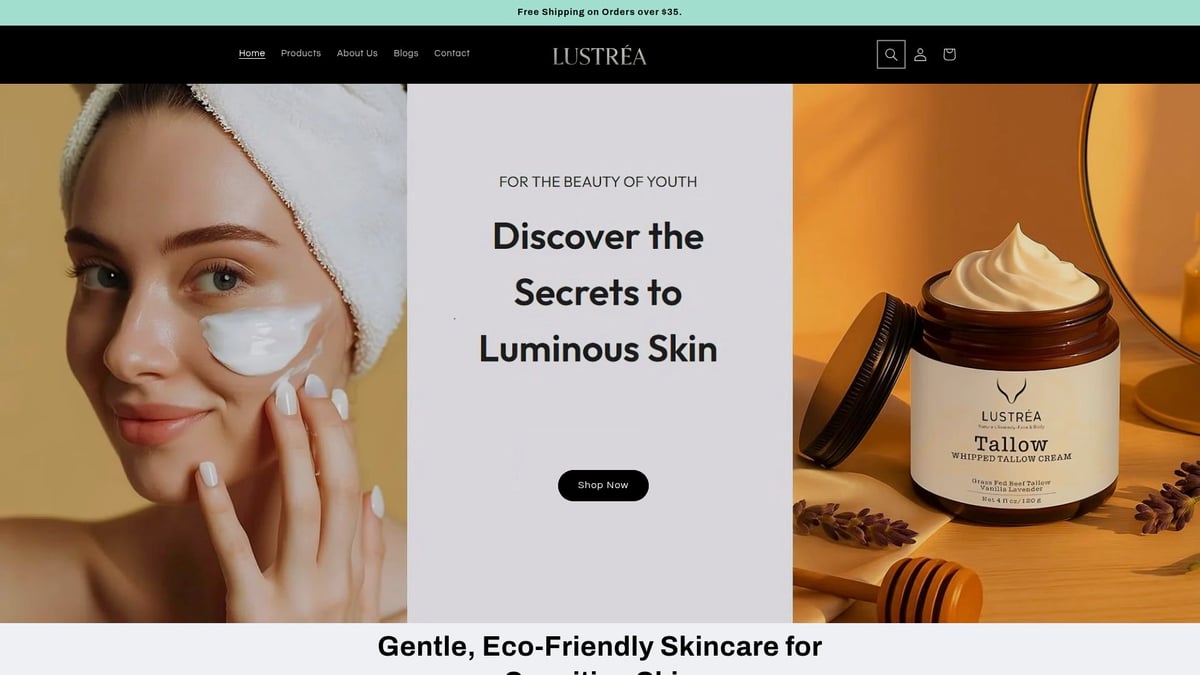
LUSTRÉA’s Whipped Tallow Creams stand out for their purity and versatility. Made with organic, grass-fed tallow, these balm cream options deliver vitamins A, D, E, and K for optimal skin nourishment. Each formula is ultra-gentle and dermatologist-tested, making them safe for all ages, including newborns. Choose from Fragrance-Free, Vanilla & Lavender, or Fresh Clean Cloud, all designed to absorb quickly and restore softness without greasiness. LUSTRÉA’s eco-friendly and minimalist approach makes their balm cream ideal for sensitive or compromised skin, offering traditional nourishment with a modern twist.
Expert Tips, FAQs, and Real User Experiences
Seeking the most from your balm cream routine? Expert advice and real-world feedback can unlock its full potential. In this section, you will find dermatologist recommendations, answers to popular questions, genuine user testimonials, and practical troubleshooting tips. These insights ensure you get the most effective and enjoyable experience with your balm cream, regardless of your skin type or goals.
Dermatologist and Expert Recommendations
Dermatologists increasingly recommend balm cream for individuals with dry, sensitive, or compromised skin barriers. Unlike traditional moisturizers, balm cream features a concentrated blend of emollients and occlusives, making it ideal for intense hydration and barrier repair.
Experts suggest applying a pea-sized amount as the final step in your evening routine. For those with eczema or post-procedure skin, balm cream can help reduce redness and accelerate healing. According to Skincare Trends for 2025 and Beyond, gentle, restorative products like balm cream are a top trend, highlighting their relevance in modern routines.
Frequently Asked Questions About Balm Creams
Curious about how balm cream fits into your regimen? Here are the answers to the most common questions:
- Is balm cream suitable for oily skin? Yes. Many lightweight formulas are non-comedogenic and balance oil production.
- Can balm cream be used with actives like retinol or vitamin C? Absolutely. Apply actives first, let them absorb, then layer balm cream to lock in benefits.
- How long does a jar of balm cream typically last? With daily face use, a 50ml jar lasts around two to three months.
- What about shelf life and storage? Most balm creams last 12 to 18 months. Store in a cool, dry place and avoid direct sunlight.
For more on ingredient innovations, see Skincare Trends to Watch in 2025.
Real User Reviews and Testimonials
Users consistently praise balm cream for its transformative results. One verified buyer shared, “This is the best moisturizing lotion I have found, leaving my skin soft and calm all day.” Before-and-after photos often show visible improvements in hydration, texture, and redness.
Those with dry, sensitive, or mature skin report less irritation and smoother complexions after switching to balm cream. Routine users highlight its ability to soothe eczema flare-ups, calm rosacea, and restore comfort during harsh weather. These testimonials underline the real-world versatility of balm cream.
Troubleshooting and Customizing Your Routine
Encountering issues with balm cream? Here are solutions to common challenges:
- Greasiness: Use less product and allow full absorption before layering makeup.
- Pilling: Apply balm cream after lighter serums and let each layer settle.
- Sensitivity reactions: Patch test new formulas and opt for fragrance-free versions.
- Seasonal adjustments: Increase balm cream application in winter, reduce in humid climates.
- Combining with other steps: Always finish with balm cream to seal in moisture and boost results.
With these expert-backed strategies, you can adapt your balm cream routine to suit changing skin needs, ensuring optimal comfort and visible improvements.