

Clean Skincare Guide: Your Path to Radiant Skin in 2026
In 2026, the clean skincare revolution is redefining beauty standards, inviting you to unlock your healthiest, most radiant skin. As more people seek safer, effective, and eco-conscious routines, the path forward can seem confusing. Are you overwhelmed by conflicting advice, buzzwords, or ingredient lists? You are not alone.
This guide will demystify clean skincare, clarify what truly matters, and equip you with actionable steps for a luminous complexion. You will discover what clean skincare means today, how to spot ingredient heroes and red flags, and build a routine that supports both your skin and the planet.
What Is Clean Skincare in 2026?
Clean skincare in 2026 represents a new gold standard for health-conscious, eco-aware beauty seekers. The term has evolved far beyond the basics of "natural" or "organic." Today’s clean skincare means products are non-toxic, ethically sourced, and made with transparent formulations that prioritize both safety and sustainability.
This evolution is driven by a growing demand for integrity within the beauty industry. In response, many brands now back their clean skincare claims with science, offering not just botanicals but clinically proven actives. The focus is on ingredient safety, ethical harvesting, and full transparency from source to shelf.
Major regulatory changes have shaped the landscape. In recent years, both the EU and the US have implemented new ingredient bans and stricter labeling laws. These regulations aim to protect consumers from known irritants, allergens, hormone disruptors, and potential long-term health risks. For example, several chemical sunscreens and synthetic preservatives are now on restricted lists, pushing brands to reformulate and innovate.
Understanding the differences between key terms is essential for making informed choices. Consider this comparison:
| Term | Definition | Key Feature |
|---|---|---|
| Clean | Non-toxic, transparent, science-backed, eco-conscious | Prioritizes safety |
| Natural | Derived from plants/minerals, may lack testing | Source-focused |
| Organic | Grown without synthetic pesticides, certified by body | Farming standards |
| Greenwashing | Misleading marketing, overstates eco/clean claims | Lacks substantiation |
According to industry surveys, over 70% of skincare shoppers in 2025 reported confusion about what clean skincare truly means. Much of this confusion stems from inconsistent definitions and marketing jargon. Some products labeled as "natural" or "green" might still contain allergens or harsh synthetics, while others with clinical actives can be genuinely clean if their formulas are thoughtfully designed and well-tested.
Consumers are increasingly concerned about hidden ingredients. Allergens, hormone disruptors, and chemicals linked to health risks are top worries. For instance, a moisturizer may claim to be "pure" yet contain undisclosed synthetic fragrances or parabens. On the other hand, a product with a short, transparent ingredient list and third-party certifications is likely a safer bet.
Misleading claims are rampant. Imagine a lotion advertised as "green" because of its recycled packaging, yet the formula relies on petrochemicals. In contrast, a truly clean skincare option will provide full ingredient transparency, explain sourcing, and highlight certifications such as EWG Verified or COSMOS Organic.
Certifications and third-party testing are your best allies. Look for seals from organizations like Leaping Bunny or Ecocert, which verify cruelty-free and organic standards. These marks help separate authentic clean skincare products from those making empty promises.
If you want a deeper look at what makes a product truly clean, the Clean Skin Products Guide offers a helpful overview of ingredients, certifications, and transparency practices.
Ultimately, the future of clean skincare is about informed choices. It is not just about avoiding certain chemicals; it is about embracing products that are safe, effective, and honest. As you navigate the shelves in 2026, prioritize brands that share their sourcing, test for safety, and back up their claims with data. Your skin, and the planet, will thank you.
Key Ingredients to Embrace and Avoid
Choosing the right ingredients is at the heart of clean skincare, especially as standards and consumer awareness continue to evolve in 2026. With so many products claiming to be clean, it is essential to know which ingredients truly support skin health and which ones are best left behind.
Ingredients to Embrace
When building a clean skincare routine, prioritize ingredients backed by both science and ethical sourcing. Look for antioxidants like vitamin C and vitamin E, which help defend skin against environmental stressors and promote a healthy glow. Hyaluronic acid is a powerhouse for hydration, drawing moisture into the skin for a plumper, smoother appearance.
Niacinamide is another favorite in clean skincare for its ability to balance oil production, strengthen the skin barrier, and reduce redness. Plant-based oils such as squalane, jojoba, and rosehip deliver nourishing fatty acids and vitamins, supporting skin repair without clogging pores. Peptides are increasingly used for their role in firming and rejuvenating the skin.
Trending Clean Actives for 2026
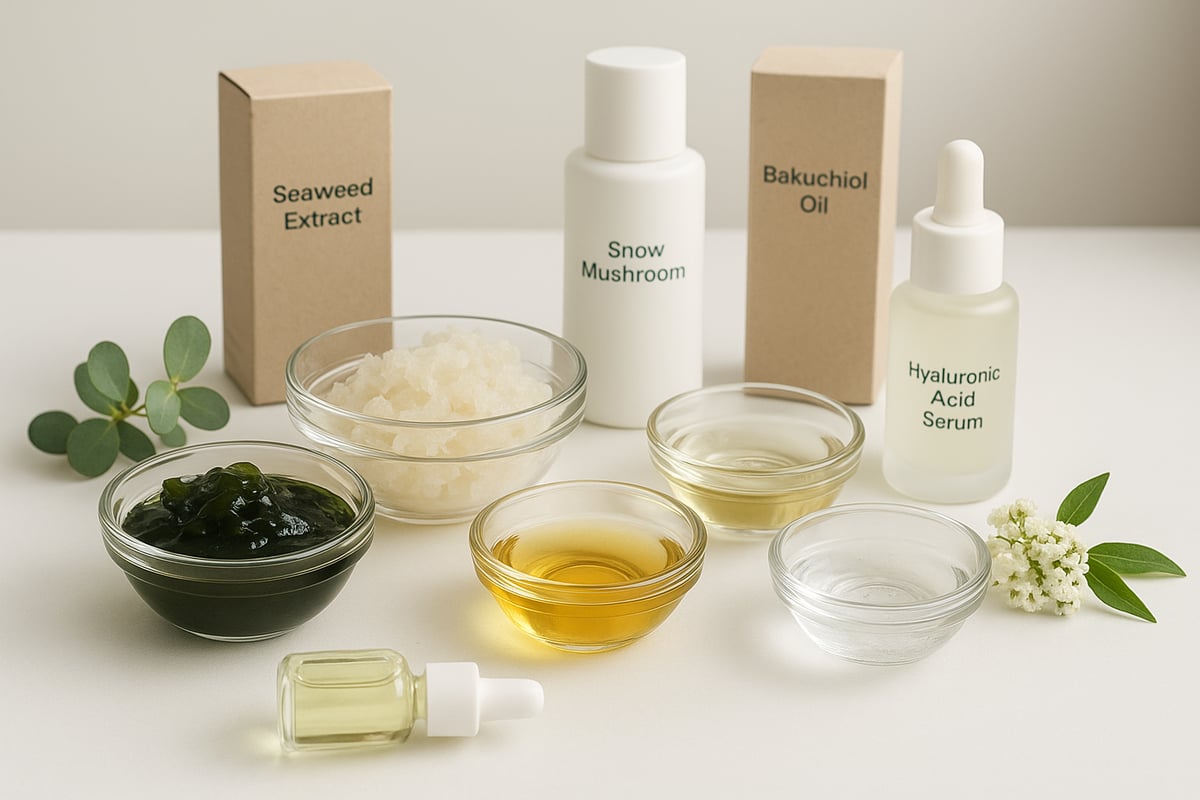
Innovation continues to shape clean skincare, with new actives gaining attention for their effectiveness and sustainability. Seaweed extracts, celebrated for their mineral-rich, soothing properties, are being used by brands like OSEA to deliver hydration and antioxidant protection. Snow mushroom (tremella) is a plant-based alternative to hyaluronic acid, offering intense moisture retention and a lightweight feel.
Bakuchiol, often called the “bio-retinol” alternative, provides similar benefits to traditional retinol—such as smoothing fine lines and improving texture—without the irritation. Fermented botanicals are also trending, leveraging natural fermentation to boost ingredient potency and skin absorption.
Ingredients to Avoid
As awareness grows, certain ingredients are now widely recognized as incompatible with clean skincare. Avoid parabens, which are linked to hormone disruption, and phthalates, often found in synthetic fragrances. Formaldehyde releasers, such as DMDM hydantoin or quaternium-15, should be skipped due to their potential long-term health risks.
Many chemical sunscreens, including oxybenzone and octinoxate, are now on watchlists for their environmental impact and potential for skin sensitivity. Synthetic fragrances and undisclosed “parfum” blends can trigger allergies and irritation. New “watchlist” chemicals, flagged by updated EU and US regulations, are also being phased out by leading brands.
Ingredients to Avoid Table
| Ingredient Category | Example Names | Reason for Avoidance |
|---|---|---|
| Preservatives | Parabens | Hormone disruption |
| Plasticizers | Phthalates | Endocrine disruption |
| Preservative Releasers | Formaldehyde releasers | Carcinogenic risk |
| Chemical Sunscreens | Oxybenzone, Octinoxate | Environmental, sensitivity |
| Synthetic Fragrances | “Parfum”, “Fragrance” | Allergens, irritation |
Why “Natural” Is Not Always Safe
Clean skincare is often confused with “all natural,” but not all natural ingredients are universally safe. Essential oils, for example, can cause sensitivities or trigger allergies, especially in those with reactive skin. Even botanical extracts may contain compounds that irritate certain skin types.
It is crucial to remember that clean skincare is about safety, transparency, and efficacy, not just the source of the ingredient. Look for products that have undergone safety testing, especially if you have sensitive or problematic skin.
Sourcing and Label Transparency
The foundation of clean skincare goes beyond the ingredient list. Sourcing matters just as much as formulation. Seek products that use organic, fair trade, and sustainably harvested ingredients whenever possible. Brands like OSEA highlight the use of vegan lactic acid and formulas approved by the National Eczema Association, reflecting a commitment to both efficacy and ethical standards.
Consumers are increasingly savvy: a 2025 report found that 60% of shoppers now read ingredient lists before purchasing skincare. Interpreting labels can be daunting, but focusing on minimalist formulas with recognizable ingredients can make a real difference. For a deeper dive into the power of simplicity, check out Less is More in Clean Skincare for insights on why streamlined routines often deliver the best results.
Understanding the balance between embracing beneficial actives and avoiding questionable ingredients is your strongest tool for making informed clean skincare choices in 2026.
Building Your Clean Skincare Routine: Step-by-Step
Ready to transform your complexion? In 2026, building an effective clean skincare routine is about more than just swapping out products—it’s about making thoughtful choices for your skin’s long-term health and the planet’s well-being. With the right approach, clean skincare becomes a daily ritual that delivers visible, lasting results.
The 5 Essential Steps of a Clean Skincare Routine
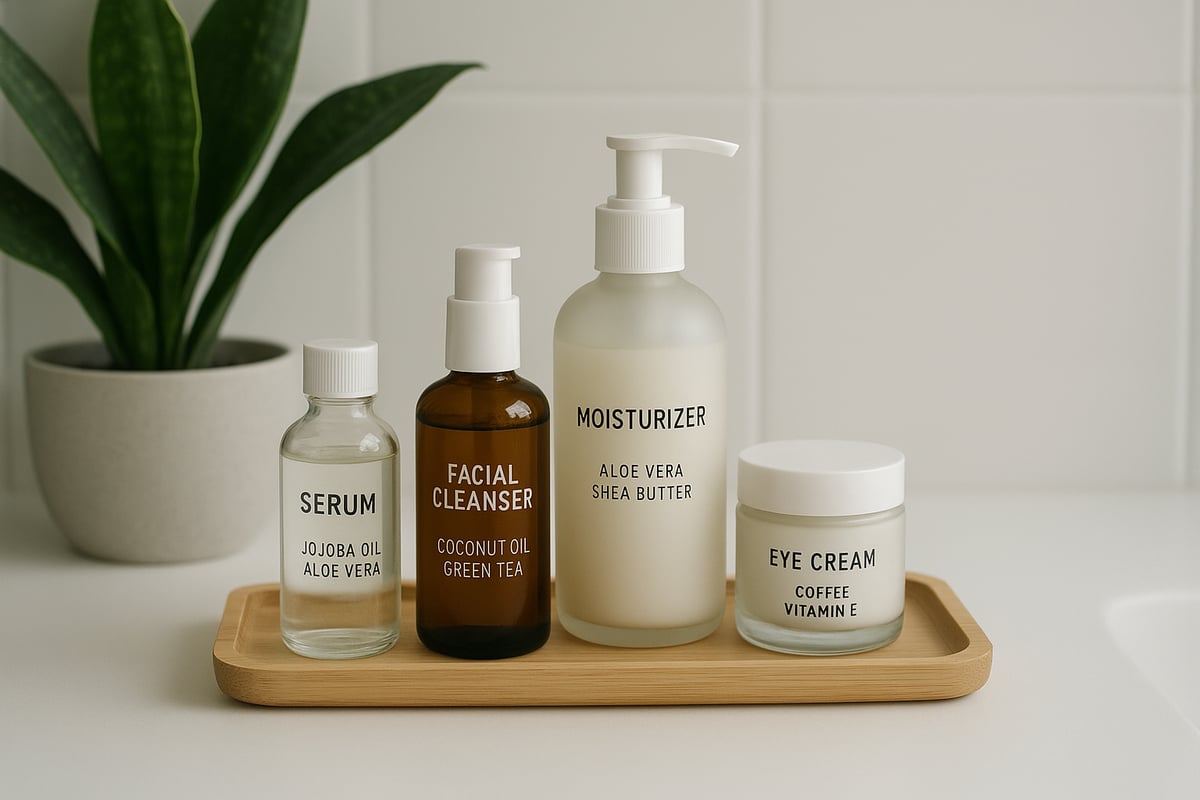
A clean skincare regimen follows five core steps. Each is designed to nurture, protect, and enhance your skin using safe, effective ingredients.
-
Cleanse: Start with a gentle, sulfate-free cleanser to remove impurities without stripping your skin’s natural barrier. Look for formulas with mild surfactants and nourishing botanicals.
-
Exfoliate: Exfoliation removes dead skin cells, promoting clarity and smoothness. In 2026, enzyme-based and gentle acid exfoliants are preferred for clean skincare routines. Limit exfoliation to 1–3 times per week to avoid irritation.
-
Treat: This step targets specific concerns (like dullness, fine lines, or breakouts) using serums or boosters. Popular clean skincare actives include vitamin C, niacinamide, seaweed extracts, and bakuchiol. Choose treatments based on your unique needs.
-
Moisturize: Hydrate and strengthen your skin with a moisturizer rich in plant oils, hyaluronic acid, peptides, or snow mushroom extract. Clean skincare brands now offer lightweight creams as well as richer balms for various skin types.
-
Protect: Daily sun protection is essential, even on cloudy days. Go for a mineral sunscreen featuring non-nano zinc oxide or titanium dioxide. These options provide broad-spectrum defense without harsh chemicals.
Personalizing Your Clean Skincare Routine
Every complexion is unique, so your clean skincare routine should reflect your individual needs. Begin by identifying your skin type (dry, oily, sensitive, combination, or mature) and your top concerns.
For dry or mature skin, incorporate richer moisturizers and hydrating serums. Oily or acne-prone complexions benefit from lightweight, non-comedogenic formulas. Sensitive types should prioritize fragrance-free, hypoallergenic products with minimal ingredients.
Patch-test any new product on a small area before full use. Introduce one item at a time, allowing your skin to adjust gradually. This approach minimizes potential irritation and lets you clearly see each product’s impact.
Sample Morning and Evening Routines
To help you visualize a balanced clean skincare routine, here’s a simple table comparing morning and evening steps:
| Step | Morning Routine | Evening Routine |
|---|---|---|
| Cleanse | Gentle gel or milk cleanser | Oil or balm cleanser |
| Exfoliate | (Optional, 1–2x per week) | Enzyme or acid exfoliant (1–3x/week) |
| Treat | Vitamin C serum, antioxidant booster | Bakuchiol, niacinamide, or peptide serum |
| Moisturize | Lightweight hydrating cream | Richer moisturizer or sleeping mask |
| Protect | Mineral sunscreen (SPF 30+) | (Skip SPF) |
OSEA’s clinical results show that consistent use of clean skincare, such as marine-based serums and vegan lactic acid creams, can visibly improve hydration and reduce fine lines. Choose products with proven efficacy and transparent sourcing.
Transitioning to Clean Skincare: What to Expect
Switching from conventional to clean skincare is a journey. Start by replacing one product at a time—usually the cleanser or moisturizer. Watch for any initial changes, like mild purging or sensitivity, which typically subside within two weeks.
If your previous products contained strong actives or synthetic fragrances, your skin may need time to adapt. Stick with your new routine consistently, and don’t hesitate to consult a dermatologist for persistent issues.
For more practical guidance, explore this step-by-step How to Build a Natural Skincare Routine to ensure you’re making informed decisions every step of the way.
Embracing Minimalism: Less Is More
One of the defining principles of clean skincare in 2026 is minimalism. Quality trumps quantity—overloading your skin with too many products can disrupt its natural balance. Aim for a streamlined routine that focuses on multi-tasking formulas and essential steps.
By keeping your regimen simple, you reduce the risk of irritation and make it easier to maintain consistency. Clean skincare is about supporting your skin’s health, not overwhelming it.
A thoughtful clean skincare routine, tailored to your needs and backed by science, is your foundation for radiant, resilient skin in 2026.
Clean Skincare Innovations and Trends for 2026
The clean skincare landscape in 2026 is a dynamic frontier, with innovation driving both effectiveness and sustainability. Consumers are seeking products that align with their values, demanding transparency, ethical sourcing, and proven results. The convergence of science and nature is setting new standards for what clean skincare can achieve.
Breakthrough Ingredients and Formulations
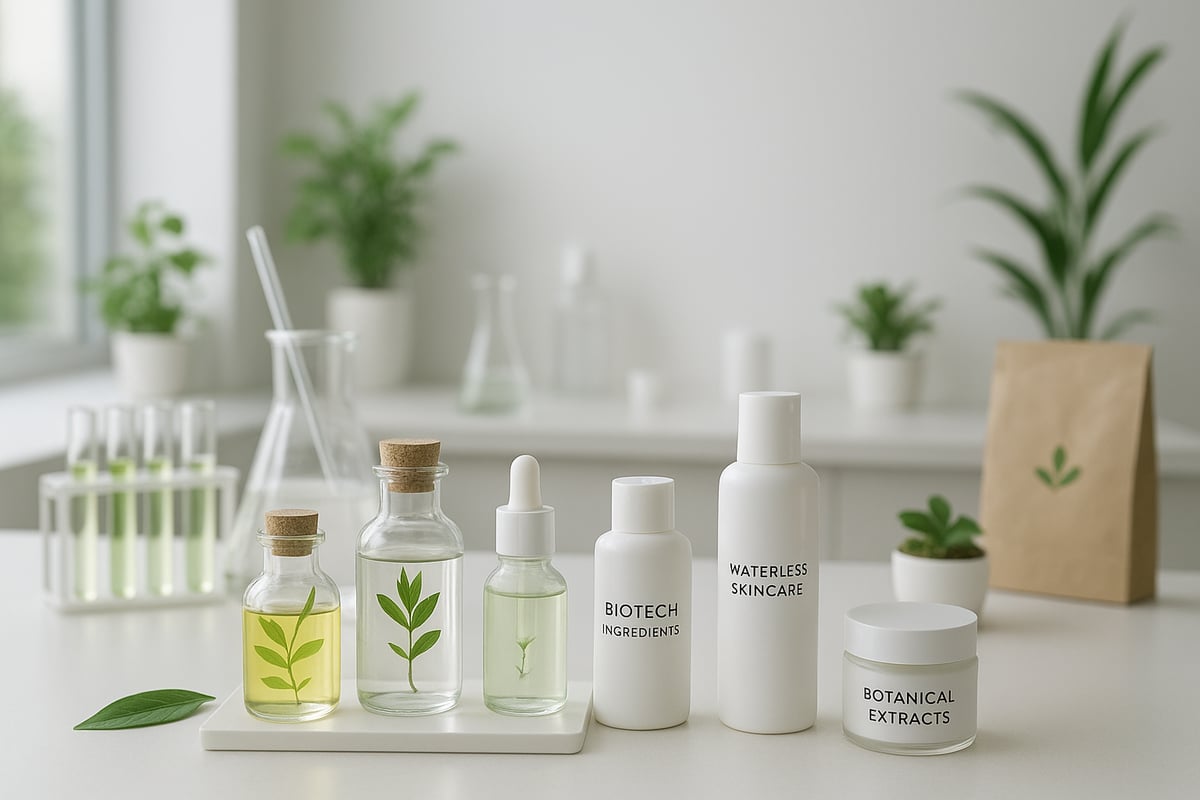
Biotechnology is at the heart of clean skincare innovation. Brands are leveraging lab-grown actives, such as bio-fermented antioxidants and peptides, to deliver superior results while minimizing environmental impact. Upcycled plant extracts, including repurposed fruit seeds and marine algae, are transforming waste into potent skincare actives.
Waterless formulations are gaining traction, reducing the need for preservatives and cutting water usage dramatically. Snow mushroom, seaweed, and marine actives—like those found in OSEA’s latest serums—are at the forefront, offering hydration, soothing, and barrier repair.
The Rise of Skinimalism and Personalization
A major trend in clean skincare is skinimalism—fewer products, but with multifunctional benefits. Consumers are embracing streamlined routines, focusing on essentials that deliver visible results. AI-powered skin analysis tools are making it easier to personalize regimens, analyzing skin conditions and recommending targeted clean skincare solutions in real time.
This shift is empowering individuals to curate routines that address their unique needs, from sensitive skin to anti-aging concerns, without unnecessary complexity.
Sustainability and Eco-Conscious Packaging
Sustainability is a non-negotiable in 2026. Clean skincare brands are adopting refillable packaging, biodegradable materials, and carbon-neutral operations. Zero-waste initiatives are redefining industry norms, with many companies sharing their journey toward regenerative beauty practices.
For a deeper look at how brands are prioritizing the planet, read about Sustainable Skincare Commitments, which outlines actionable steps toward eco-friendly formulations and packaging.
Transparency, Regulation, and Market Growth
Transparency is key as consumers demand to know exactly what is in their clean skincare products. Enhanced labeling, third-party certifications, and open sourcing are becoming standard practice. Digital platforms provide ingredient traceability and batch testing results, fostering trust in the marketplace.
The clean skincare market is experiencing remarkable growth, reflecting this surge in consumer demand for safe and effective options. According to Clean beauty market projected to reach $21.29 billion by 2030, momentum is accelerating as brands innovate around both product performance and sustainability.
Summary Table: Top Clean Skincare Trends for 2026
| Trend | Description | Example |
|---|---|---|
| Biotech Ingredients | Lab-grown actives, peptides, fermented botanicals | Bioengineered antioxidants |
| Upcycled Extracts | Reused plant and marine byproducts | Seaweed, fruit seed oils |
| Waterless Formulas | Solid or powder-based, no added water | Concentrated cleansers |
| Skinimalism | Minimal, multifunctional routines | 2-in-1 serums |
| Refillable Packaging | Eco-friendly, reduces waste | Glass jars, refill pouches |
| AI Personalization | Custom routines via digital analysis | Skin scanning apps |
Looking Ahead
As clean skincare continues to evolve, innovation and consumer awareness are shaping a more ethical, effective, and sustainable future. Brands that combine advanced science, eco-consciousness, and transparency will define the gold standard for healthy skin in 2026.
Expert Tips for Achieving Radiant Skin Naturally
Unlocking your most luminous complexion with clean skincare is not just about product selection. It requires a holistic, expert-informed approach that blends science, lifestyle, and practical habits. Below, discover proven strategies to help you achieve glowing, healthy skin naturally, ensuring each step supports your clean skincare journey.
Dermatologist-Approved Strategies for Clean Skincare
The foundation of radiant skin starts with expert-backed routines. Dermatologists recommend choosing clean skincare products that are clinically tested, fragrance-free, and suited to your skin type.
Patch-test new formulas on a small area before full application. This reduces the risk of irritation or allergic reactions.
Prioritize gentle cleansers and pH-balanced moisturizers. For targeted results, introduce serums with proven actives like vitamin C or niacinamide.
Consistency is essential. Apply products in the correct order: cleanse, treat, moisturize, and protect. By following these steps daily, you maximize the benefits of your clean skincare regimen.
Lifestyle Factors That Boost Radiance
Glowing skin is a reflection of your overall health. Hydration is key—aim for at least eight glasses of water each day. Quality sleep allows your skin to repair itself overnight, while a balanced diet rich in antioxidants supports cellular renewal.
Manage stress through mindfulness, exercise, or creative hobbies. Chronic stress can trigger breakouts and sensitivity, so self-care is an important part of clean skincare.
Together, these lifestyle choices amplify the effects of your clean skincare products, helping your skin maintain a healthy, natural glow.
Sun Protection: Mineral SPF in Clean Skincare
Protecting your skin from UV damage is non-negotiable. Choose a clean skincare mineral SPF with zinc oxide or titanium dioxide for broad-spectrum defense.
Apply sunscreen every morning, even on cloudy days or when indoors near windows. Reapply every two hours if you are outdoors, especially in summer.
Sun protection helps prevent premature aging, dark spots, and skin cancer. Make mineral SPF the final step in your clean skincare routine for lasting radiance.
Enhancing Results with Facial Massage and At-Home Treatments
Facial massage and at-home tools such as gua sha or jade rollers boost circulation, reduce puffiness, and improve product absorption. Integrate these techniques into your clean skincare routine two to three times a week.
For sensitive skin or breakouts, gentle sprays containing hypochlorous acid can offer effective soothing and antimicrobial benefits without irritation. Learn more about hypochlorous acid's emerging role in skincare and how it supports a balanced complexion.
Use these treatments to enhance the efficacy of your clean skincare products and enjoy a spa-like experience at home.
Troubleshooting, Consistency, and Tracking Progress
Occasional dryness, sensitivity, or breakouts can occur, even with clean skincare. Address these issues by simplifying your routine and avoiding over-exfoliation. Opt for fragrance-free, hypoallergenic formulas, and introduce new products gradually.
Consistency is crucial for visible improvement. Track changes with a skincare journal or photos. Consider ingredient-based recommendations to refine your product choices—recent studies highlight the value of explainable beauty product recommendations using ingredient-based attributes for building trust and achieving better results.
By staying patient and observant, you will adapt your clean skincare routine to your skin’s evolving needs.
Seasonal Adjustments and Real-World Success
Your skin’s requirements change with the seasons. In winter, switch to richer moisturizers and gentle exfoliants. Summer calls for lighter hydration and diligent SPF.
Listen to your skin and adjust your clean skincare products accordingly. Many users report that with consistent, tailored clean skincare, they experience smoother, brighter, and healthier-looking skin year-round.
Let expert strategies and mindful habits guide your path to radiant skin—clean skincare is your partner in this journey.