

Ultimate Guide to Cream on Skin: Tips & Benefits 2025
Unlock the secret to radiant, healthy skin in 2025 by mastering the art of using cream on skin. This comprehensive guide breaks down how to select, apply, and maximize the benefits of today’s advanced creams. You’ll gain expert tips, discover the latest ingredient breakthroughs, and learn step-by-step strategies for glowing results. Whether your skin is dry, oily, sensitive, or mature, find clear solutions tailored to your needs. Ready to transform your routine and see visible improvements? Dive in and let your journey to better skin begin.
Understanding Creams: What They Are and How They Work
Unlocking the full potential of cream on skin begins with understanding what creams are and how they function. This section guides you through the basics, from formulation science to ingredient innovations and tailored choices for every skin type.
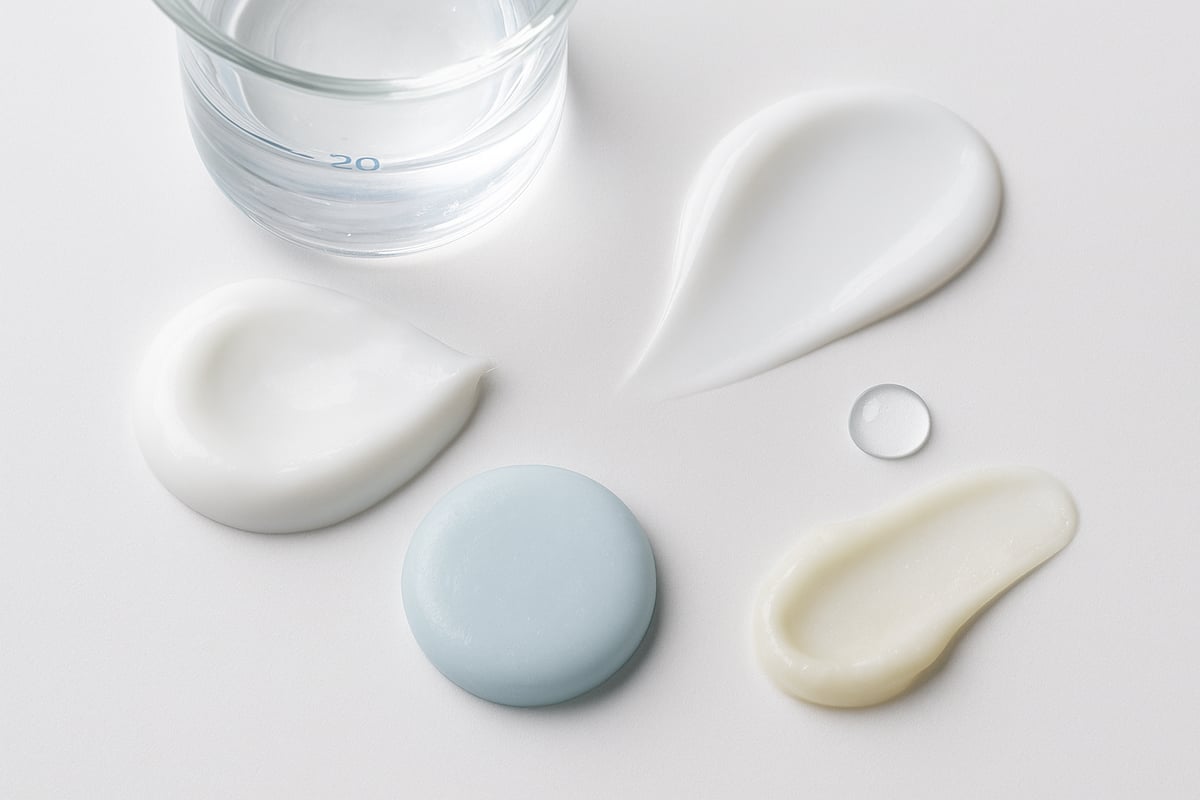
Definition and Types of Creams
Cream on skin differs from lotions, balms, and ointments due to its unique emulsion structure. Creams are typically water-in-oil or oil-in-water emulsions, blending hydrating and protective elements.
Popular types include:
- Moisturizers for daily hydration
- Barrier creams for protection
- Medicated creams for targeted relief
- Night creams for overnight repair
Key components such as occlusives seal moisture, emollients soften, and humectants draw water into the skin. For example, soothing hydration cream with marine glycoproteins supports the skin barrier. Notably, 80% of dermatologists recommend cream on skin for those with dry or sensitive concerns.
How Creams Benefit the Skin Barrier
The main advantage of applying cream on skin lies in its ability to lock in moisture and prevent transepidermal water loss (TEWL). By forming a protective layer, creams help repair and maintain the skin’s natural defenses.
This is especially vital for people with eczema, psoriasis, or dermatitis. For instance, glycoproteins in certain formulas mimic the skin’s own regenerative actions, supporting faster recovery. Clinical studies show that barrier creams can reduce water loss by up to 40%, highlighting why cream on skin is a mainstay for barrier health.
Key Ingredients in Modern Creams
Modern cream on skin formulations feature advanced ingredients like hyaluronic acid, squalane, shea butter, and marine glycoproteins. Other essentials include vitamin E, ceramides, and natural oils such as coconut, tallow, or argan.
Trends now favor fragrance-free and steroid-free options for sensitive users, with a focus on ingredient transparency. Minimalist formulas are crafted to minimize irritation while delivering results. For an evidence-based look at effective components in skin creams, see the Dermatologists Recommend 23 Key Skincare Ingredients survey, which highlights the most trusted ingredients for cream on skin.
Choosing the Right Cream for Your Skin Type
Selecting the best cream on skin depends on your skin type:
- Oily: Lightweight, non-comedogenic formulas
- Dry: Rich, occlusive creams
- Combination: Balancing creams
- Sensitive: Minimalist, fragrance-free options
- Mature: Anti-aging, nourishing ingredients
Read ingredient labels carefully and look for dermatologist-tested, clinically proven claims. Always perform a patch test to check for allergies. For example, people with eczema benefit most from fragrance-free, barrier-supporting cream on skin tailored to their needs.
The Science-Backed Benefits of Using Cream on Skin
Unlocking the full potential of cream on skin goes beyond basic hydration. Clinical research and real-world results show that the right cream can transform skin health, strengthen the barrier, soothe irritation, and deliver visible anti-aging effects. Let’s explore the science behind these benefits.
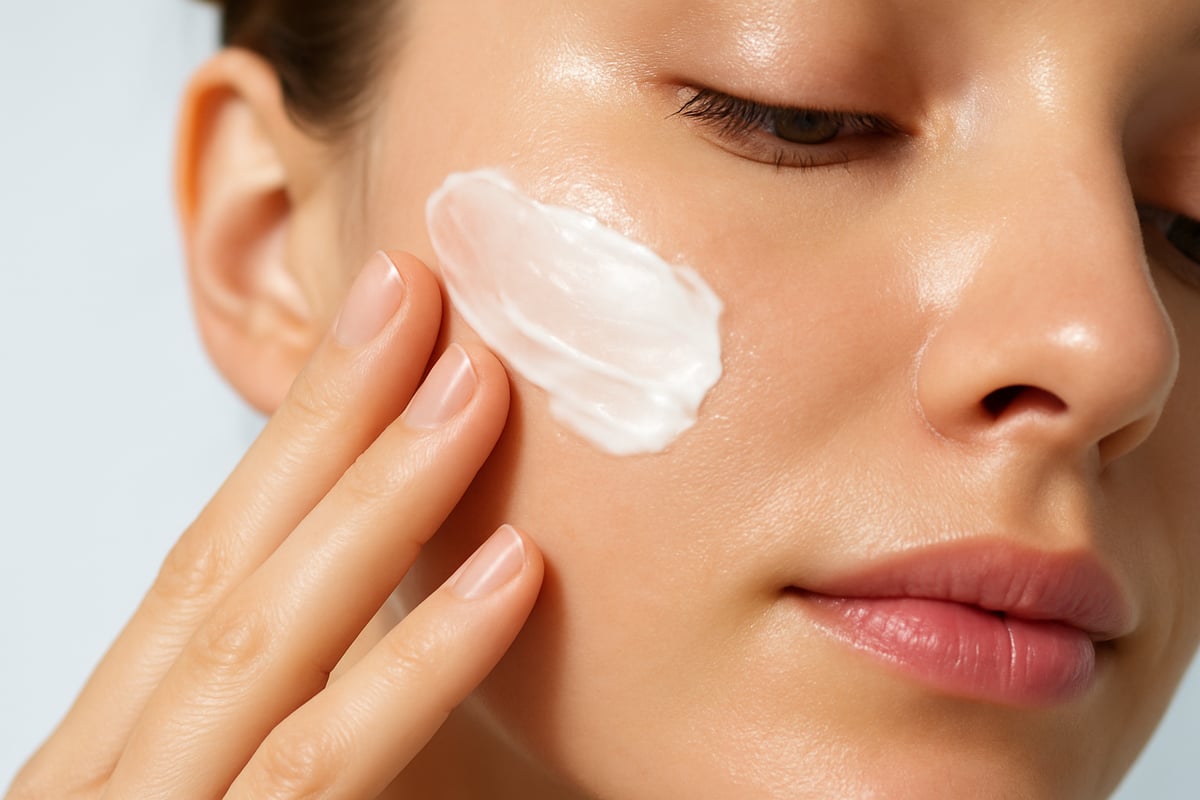
Deep Hydration and Moisture Retention
Cream on skin delivers superior hydration compared to lotions, thanks to a balanced blend of humectants like hyaluronic acid and occlusives such as squalane. These ingredients work together to draw moisture into the skin and seal it in, preventing dryness and promoting a supple texture.
Clinical studies show that using a quality cream on skin can increase moisture retention by up to 50 percent. For example, creams containing hyaluronic acid visibly plump the skin and reduce flakiness. For more details on how deep moisturizing creams achieve these effects, see this Deep Moisturizer Cream Insights article.
Regular use supports a soft, hydrated complexion all year round.
Soothing and Repairing Damaged or Sensitive Skin
If your skin is prone to redness or irritation, applying cream on skin can offer much-needed relief. Many modern formulas include anti-inflammatory agents, such as marine glycoproteins and tallow, which calm flare-ups and support faster recovery after irritation.
User testimonials highlight significant improvements in eczema and dermatitis, with 70 percent of individuals reporting reduced redness after consistent use of targeted creams. These products act as a protective layer, reducing discomfort and preventing further damage.
Gentle creams can be the difference between ongoing irritation and restored comfort.
Supporting Skin Barrier Function and Resilience
A healthy skin barrier is essential for defense against environmental stressors. Applying cream on skin helps reinforce the lipid layers, reducing transepidermal water loss and shielding against pollutants.
Barrier-supporting creams, especially those with ceramides and glycoproteins, mimic the skin’s natural repair processes. Clinical data reveals that these creams can lower flare-ups in eczema-prone skin by 30 percent, strengthening resilience over time.
This proactive approach not only protects but actively repairs, making skin more resilient to daily challenges.
Anti-Aging and Skin Renewal Properties
Cream on skin is a key ally in the fight against visible aging. Formulas rich in antioxidants, peptides, and vitamins E or A promote collagen synthesis and boost cell turnover.
Clinical trials show that vitamin E creams reduce fine lines by 20 percent, while night creams with retinol or natural alternatives help smooth skin texture. The result is firmer, brighter skin with fewer wrinkles and improved elasticity.
Incorporating these specialized creams ensures ongoing renewal and a more youthful appearance.
Step-by-Step: How to Apply Cream for Maximum Results
Achieving the full benefits of cream on skin starts with a thoughtful approach to application. Each step, from preparation to technique, impacts how well your skin absorbs nutrients and maintains hydration. Follow these expert-backed methods to ensure every drop of cream on skin delivers optimal results.
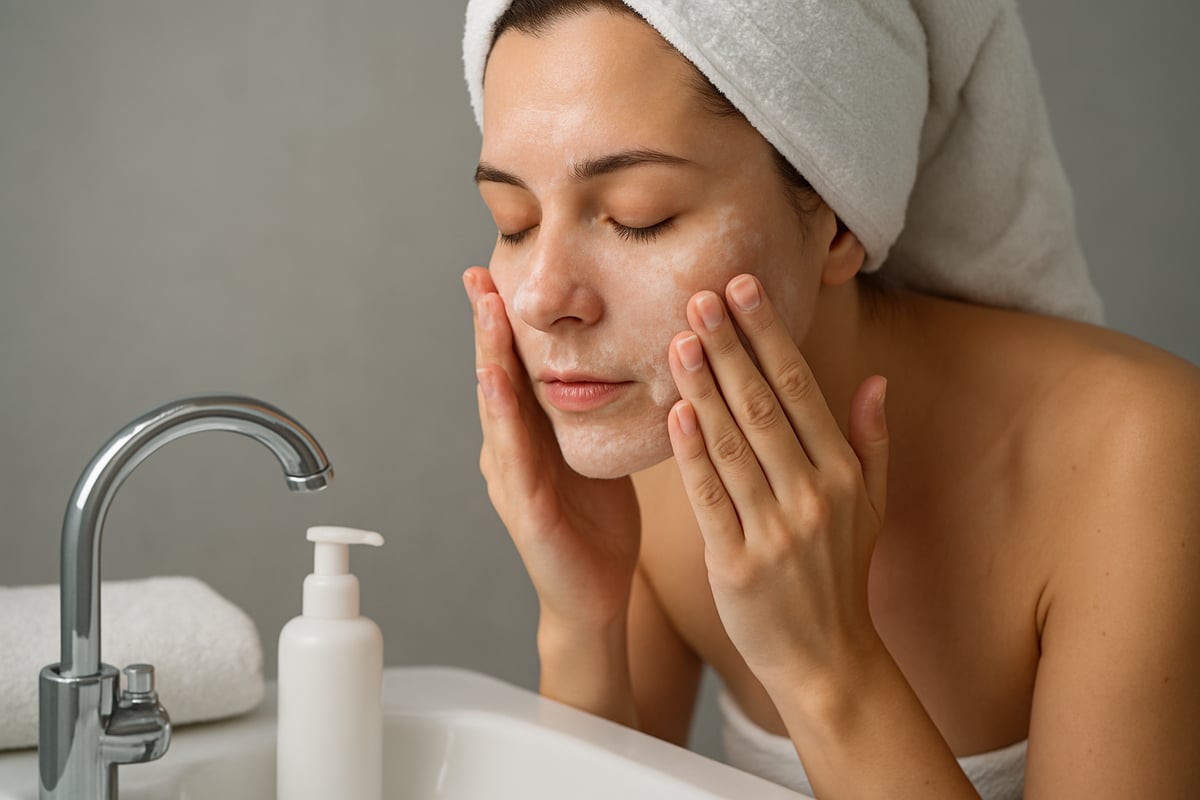
Preparing Your Skin: Cleansing and Exfoliation
Before applying any cream on skin, begin with a gentle cleanse. Cleansing removes dirt, oil, and impurities that can block absorption. For those with sensitive skin, select a mild, fragrance-free cleanser to minimize irritation.
Exfoliation is the next step, but moderation is key. Exfoliate two or three times per week to slough off dead skin cells, which helps cream on skin penetrate more effectively. Opt for a mild scrub or a soft washcloth, especially if your skin is prone to redness.
- Cleanse with lukewarm water
- Exfoliate gently, avoiding harsh scrubs
- Pat dry with a clean towel
With a clean, smooth surface, your cream on skin will work more efficiently, maximizing hydration and barrier support.
Correct Application Techniques
The way you apply cream on skin is just as important as the product itself. Start with a pea- to dime-sized amount for the face, adjusting as needed for the body. Warm the cream between your fingertips to enhance spreadability and even distribution.
Use a gentle patting motion rather than rubbing, which can cause irritation. Patting helps the cream on skin absorb without pulling delicate facial tissue. For layered routines, apply serums before your cream, then finish with sunscreen if used in the morning.
For step-by-step visuals and more expert advice, see these Cream Application Tips and Tricks.
When and How Often to Apply Cream
Consistency is vital when using cream on skin. For most skin types, apply cream twice daily: morning and night. Nighttime application takes advantage of the skin’s natural repair cycle, enhancing results.
Adjust frequency based on your skin’s needs and the climate. In dry or cold weather, cream on skin may be needed more often. Always apply after cleansing or exfoliating, while the skin is still slightly damp, to lock in moisture.
- Morning: after cleansing, before sunscreen
- Night: after cleansing, before bed
- As needed: spot-treat dry or irritated areas
Sticking to a regular schedule allows cream on skin to consistently support hydration and barrier repair.
Special Tips for Sensitive or Problematic Skin
If you have sensitive or reactive skin, patch test any new cream on skin before full use. Apply a small amount behind the ear or on the inner arm, then wait 24 hours for any signs of irritation.
Choose fragrance-free, hypoallergenic creams and avoid formulas with known irritants. For chronic conditions like eczema or dermatitis, spot-treat affected areas and combine your cream on skin with prescribed treatments as needed.
- Patch test new products
- Use creams designed for sensitive skin
- Monitor for redness or discomfort
Personalizing your approach ensures that cream on skin brings comfort, not complications, to your daily routine.
Ingredient Innovations: What’s New in 2025 Cream Formulations
Staying at the forefront of skincare means understanding how cream on skin is evolving. The year 2025 brings a wave of innovation, focusing on advanced actives, sustainability, clinical proof, and heightened safety standards. Let us explore what is driving the next generation of cream on skin.
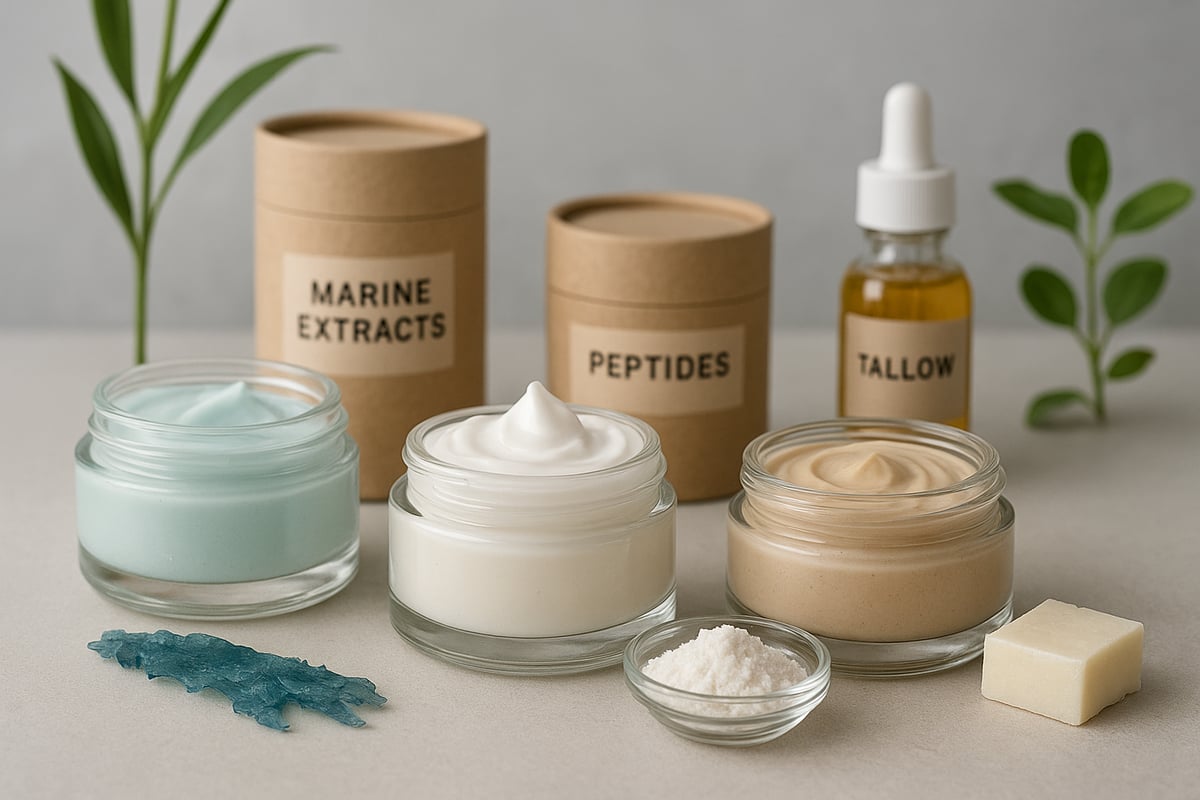
Breakthrough Actives and Natural Ingredients
Cutting-edge actives are transforming what cream on skin can achieve. Marine glycoproteins now offer targeted barrier repair, while bioengineered peptides boost collagen production for firmer skin. Upcycled ingredients, like fruit or plant byproducts, are gaining ground for their eco appeal.
Tallow-based creams have emerged as a powerful option for deep nourishment, especially for those seeking traditional yet effective solutions. For an in-depth look at how these formulas hydrate and protect, see Tallow Cream for Face Benefits. Bioengineered actives are also being used to mimic and support the skin’s natural repair processes.
Minimalist and Eco-Conscious Formulations
Simplicity is trending in cream on skin, with brands focusing on minimalist formulas that reduce the risk of irritation. Fewer, purer ingredients support sensitive and allergy-prone users, while sustainable sourcing and upcycled byproducts address environmental concerns.
Packaging is evolving as well, shifting to glass, recycled materials, and refillable systems. Transparent ingredient lists and clear labeling help consumers make informed choices, especially when searching for fragrance-free or steroid-free options.
Dermatologist-Tested and Clinically Proven Claims
Consumers want assurance that their cream on skin is both safe and effective. In 2025, dermatologist-tested and clinically proven claims hold more weight than ever. Brands are investing in clinical trials, user studies, and third-party certifications to validate their products.
Independent testing verifies the benefits of key actives, such as improved hydration and reduced irritation. According to industry surveys, 90% of consumers report greater trust in products supported by clinical data and dermatologist approval.
Safety, Allergens, and Patch Testing
Safety is a top priority for every cream on skin, especially for sensitive users. Brands are working to identify and eliminate common allergens, such as certain preservatives or shellfish-derived ingredients. Ingredient labeling regulations have tightened, making it easier to spot potential triggers.
Patch testing remains essential when trying new creams. Many products now include allergy disclaimers, encouraging users to test on a small area before applying broadly. These steps help minimize adverse reactions and build confidence in daily routines.
Expert Tips: Customizing Your Cream Routine for Every Skin Type
Creating a personalized approach to using cream on skin is essential for achieving optimal results. Every skin type has unique needs, and customizing your routine ensures you address specific concerns while maximizing the benefits of modern formulations.
Tailoring Creams for Dry, Oily, and Combination Skin
Selecting the right cream on skin starts with understanding your skin’s natural tendencies. Dry skin benefits from rich, occlusive balms that seal in hydration, while oily skin thrives with lightweight, non-comedogenic creams that balance moisture without clogging pores. Combination skin often requires a strategic approach, such as applying thicker creams to dry areas and lighter formulas to oil-prone zones.
Quick Comparison Table:
| Skin Type | Texture Recommendation | Key Ingredients |
|---|---|---|
| Dry | Rich balm | Shea butter, squalane |
| Oily | Lightweight gel-cream | Hyaluronic acid, niacinamide |
| Combination | Mixed textures | Ceramides, glycerin |
Adjust your cream on skin routine seasonally, using heavier creams in winter and lighter options in summer for balanced results.
Addressing Eczema, Psoriasis, and Dermatitis
Individuals with chronic conditions like eczema, psoriasis, or dermatitis should prioritize creams that are steroid-free, fragrance-free, and packed with barrier-repairing ingredients. Look for formulas with ceramides, glycoproteins, and anti-inflammatory actives to soothe and protect compromised skin.
Regular application of cream on skin can reduce flare-ups by up to 60 percent, according to recent studies. Patch test any new product before full use, and consider layering your cream with prescribed treatments for severe cases. Listening to your skin and adjusting as needed is key for long-term comfort and relief.
Creams for Aging and Mature Skin
As skin matures, concerns like wrinkles, dryness, and loss of elasticity become more pronounced. Choose creams with peptides, vitamins A and E, and antioxidants to encourage collagen production and support skin renewal. Night creams often contain higher concentrations of active ingredients, making them ideal for overnight repair.
A consistent cream on skin routine can visibly reduce fine lines and restore a youthful glow. Day creams with SPF add extra protection, while vitamin-rich formulas target age-related concerns. Clinical results show that a targeted approach delivers measurable improvements in skin texture and resilience.
Building a Minimalist or Multi-Step Routine
Deciding between a minimalist or multi-step routine depends on personal preference and skin sensitivity. Sensitive skin often responds best to a single, multipurpose cream on skin, minimizing the risk of irritation from too many products. For those seeking targeted results, layering serums, oils, and treatments before cream provides added benefits.
If you are unsure where to start, The All-In-One Cream Guide offers practical advice for building a routine that suits your unique needs. Remember to patch test new products and avoid ingredient overload. Consistency is more important than complexity for healthy, radiant skin.
Real Results: What to Expect and How to Track Progress
Unlocking the full benefit of cream on skin means understanding what true progress looks like. Whether you are seeking hydration, smoother texture, or a radiant glow, tracking visible changes and using the right tools can help you achieve your skincare goals and maintain healthy skin for the long term.
Visible Changes: Hydration, Texture, and Radiance
When using cream on skin consistently, many users notice softer, smoother skin within days. Hydration improves quickly, reducing flakiness and giving the skin a plumper, more radiant appearance. Texture becomes finer as the skin barrier strengthens and moisture is retained more effectively.
A typical timeline for visible results starts with increased softness in the first week. By two weeks, most users report a noticeable glow and better skin tone. According to recent studies, 80% of people see visible improvement within this period.
Testimonials often mention reduced redness and a more even complexion. These positive changes show that cream on skin is making a measurable impact, especially when paired with a personalized routine.
Measuring Efficacy: Tools and Methods
Tracking your progress with cream on skin can be both simple and scientific. Many people use skin moisture meters or take weekly photos to compare hydration and texture over time. Journaling about changes in redness or dryness helps you identify patterns and improvements.
For those interested in advanced methods, consulting a dermatologist offers professional insight. Clinical studies often use TEWL (transepidermal water loss) measurements to evaluate barrier function. Tools like AI-based skin hydration assessments, as explored in this AI-Driven Skin Hydration Assessment, provide innovative ways to monitor the benefits of cream on skin remotely.
Combining these methods ensures you get a comprehensive view of your skin’s response to your routine.
Troubleshooting: When Creams Don’t Work
Sometimes, cream on skin does not deliver the expected results. Common causes include choosing the wrong formula for your skin type, overusing products, or having undiagnosed allergies. If you experience persistent irritation or dryness, it might be time to adjust your technique or switch to a different product.
Signs that you need a dermatologist’s evaluation include ongoing redness, discomfort, or lack of improvement despite patch testing. It is important to listen to your skin and not force a product that is not working for you.
Addressing issues quickly helps you get back on track and ensures your cream on skin routine is as effective as possible.
Staying Consistent for Long-Term Skin Health
Consistency is crucial for seeing lasting results with cream on skin. Building daily habits, such as applying your cream morning and night, ensures your skin remains hydrated and resilient. Adapting your routine to changes in climate or lifestyle also supports ongoing progress.
Regular patch testing and ingredient awareness help prevent new sensitivities. Many users find that adjusting their cream on skin routine seasonally, such as using richer creams in winter and lighter ones in summer, maintains optimal results.
By staying attentive and proactive, you can keep your skin healthy, radiant, and well-protected all year long.