

Fragrance for Skincare Guide: Expert Insights for 2025
Curious about the real impact of fragrance for skincare in your daily routine? In 2025, the question of whether scents help or harm your skin is more relevant than ever.
This guide reveals expert insights on how fragrance for skincare shapes skin health, product enjoyment, and safety. As regulations and consumer demand shift, understanding what is in your products empowers you to make smarter, skin-safe choices.
Explore the types, benefits, and risks of fragrance for skincare. Learn from expert recommendations, discover industry trends for 2025, and get practical strategies for selecting the right products for your needs.
Understanding Fragrance in Skincare: Types, Sources, and Labeling
Choosing the right fragrance for skincare is more complex than simply picking a pleasant scent. Understanding what “fragrance” really means on a product label is key to making informed choices. Fragrance can influence both your sensory experience and your skin’s health, so decoding its role and labeling is essential.
What is Fragrance in Skincare?
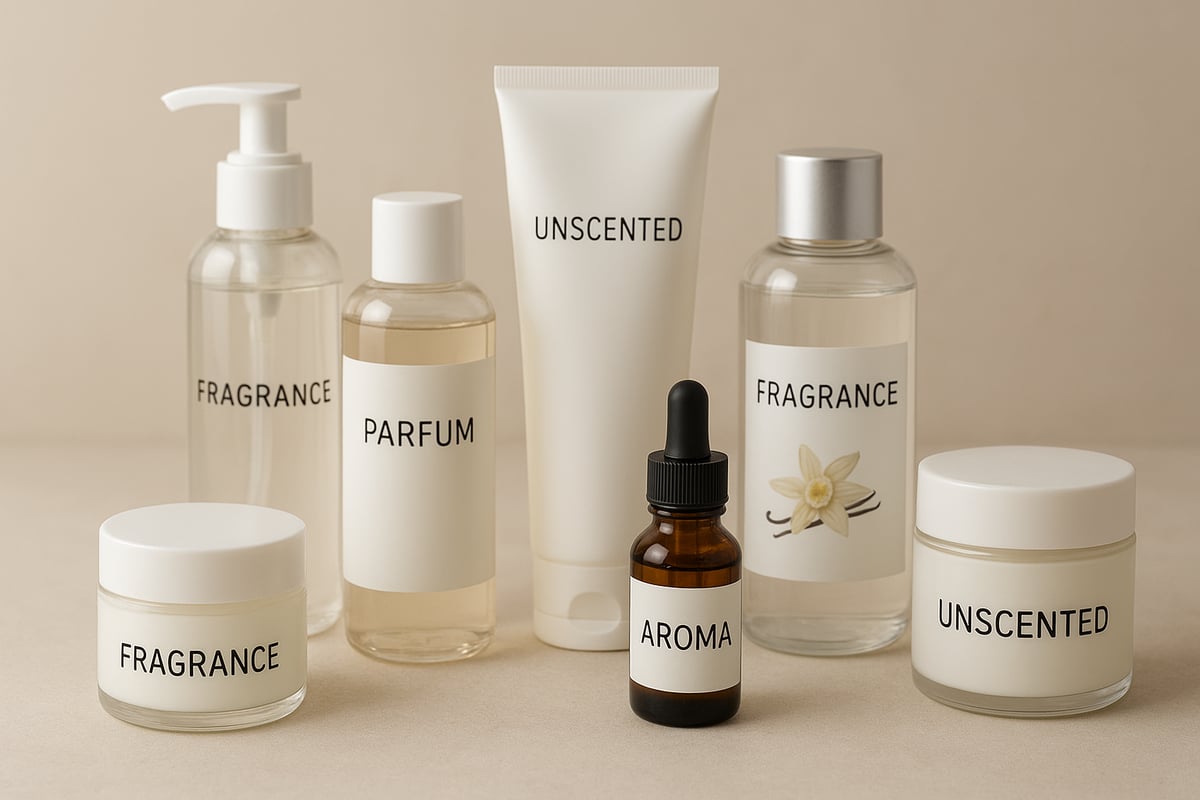
Fragrance for skincare refers to a blend of aromatic ingredients, both natural and synthetic, designed to impart scent to a product. On labels, you might see “fragrance,” “parfum,” or “aroma.” While these terms seem interchangeable, each has subtle distinctions. “Fragrance” and “parfum” are often used to denote a proprietary blend of scent compounds, while “aroma” can refer to naturally derived scents, especially in botanical products.
Regulatory agencies like the FDA in the United States and the European Commission in the EU define “fragrance” broadly. Companies are not always required to disclose every single component, as fragrance blends are often protected as trade secrets. This lack of full disclosure means consumers may not know exactly what is in their skincare, which is especially important for those with sensitivities.
Understanding these definitions helps consumers make better decisions when selecting fragrance for skincare, especially if they are concerned about allergies or irritation.
Types of Fragrances: Synthetic vs. Natural
The world of fragrance for skincare includes both synthetic and natural options. Synthetic fragrances are made from a mix of chemicals, such as phthalates or aldehydes, and are popular because they are stable and cost-effective. These fragrances can be engineered to last longer and offer consistent scent profiles.
Natural fragrance sources, on the other hand, are derived from essential oils, plant extracts, or resins. Ingredients like lavender, chamomile, or vanilla are frequently used for their pleasant aroma and perceived skin benefits. For example, a Vanilla lavender natural moisturizer highlights the appeal of botanical scents in skincare.
It’s important to distinguish between “fragrance-free” and “unscented.” “Fragrance-free” means no fragrance materials have been added, while “unscented” products may include masking agents to neutralize odors. Always check the ingredient list to confirm what is truly present in your fragrance for skincare.
How Fragrances Are Labeled
Labeling fragrance for skincare is regulated differently across global markets. In the US, the FDA requires “fragrance” to be listed, but individual ingredients can remain undisclosed. The EU is stricter, mandating that 26 common allergens be individually listed if present above certain thresholds. Asian markets vary, with some following US or EU guidelines.
Common terms like “fragrance,” “parfum,” or “aroma” can mask a complex blend of chemicals or natural extracts. Ingredient lists may hide potential allergens under these umbrella terms, so transparency is a growing demand among consumers choosing fragrance for skincare.
The Role of Fragrance in Skincare Products
Fragrance for skincare is added for several reasons. It masks unpleasant odors from raw ingredients, enhances the sensory experience, and helps establish a product’s brand identity. Industry statistics show that a significant majority of skincare products—often over 70 percent—contain some form of fragrance.
Consumer preferences are evolving, with some seeking the soothing ritual of scented products, while others prefer fragrance-free options for sensitive skin. Understanding the role of fragrance for skincare empowers you to select products that align with your needs and personal values.
The Science: How Fragrance Affects Your Skin
Understanding the science behind fragrance for skincare is essential as consumer preferences and formulations evolve. Scientific research reveals how fragrances interact with your skin, influence health, and affect sensitive populations.
Skin Sensitivity and Allergic Reactions
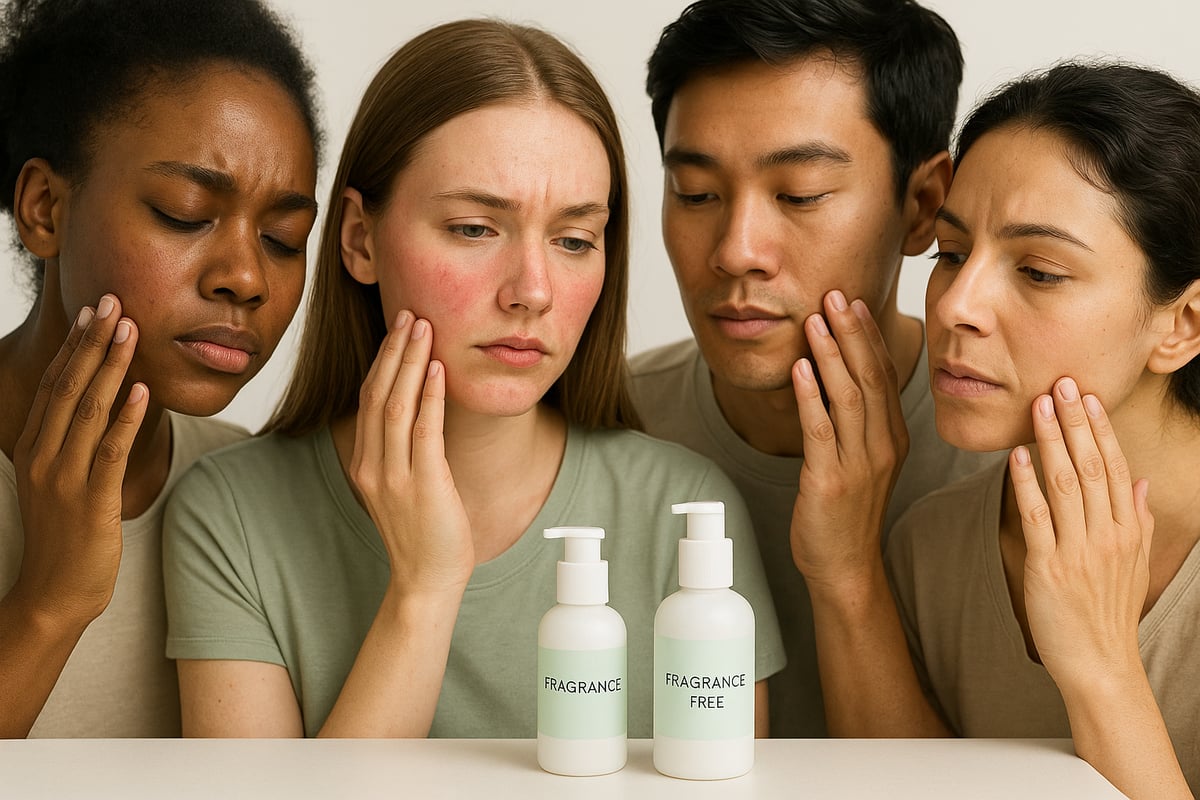
Fragrance for skincare can trigger a range of skin reactions, especially in sensitive individuals. When fragrance molecules penetrate the skin barrier, they may cause:
- Redness or irritation
- Contact dermatitis (itching, swelling, rash)
- Allergic reactions, including hives
Research shows that up to 11% of dermatology patients report sensitivity to fragrance for skincare. The risk increases for those with eczema, rosacea, or a history of allergies. Age, genetics, and skin barrier health also play a role in how your skin responds.
Certain ingredients, like linalool and limonene, are known allergens. For a detailed look at common allergens and their prevalence, see this Fragrance allergens in cosmetic products resource.
Choosing fragrance for skincare means considering your personal risk factors. Always monitor your skin for new or worsening reactions after introducing scented products.
Fragrance and the Microbiome
Recent studies suggest fragrance for skincare may impact the skin’s delicate microbiome. The microbiome is a community of beneficial bacteria and microorganisms that protect against infection and support barrier function.
Some synthetic and natural fragrance compounds can disrupt this balance. Disruption may lead to:
- Increased inflammation
- Compromised barrier recovery
- Greater susceptibility to irritation
Experts recommend microbiome-safe fragrance for skincare, especially for those prone to sensitivity. While research is ongoing, early results encourage cautious use of fragrance for skincare to preserve microbiome health.
If you notice more breakouts or dryness after using fragrance for skincare, your microbiome could be affected. Opt for formulas tested for microbiome compatibility when possible.
Long-Term Effects and Cumulative Exposure
Using fragrance for skincare over months or years can have cumulative consequences. Prolonged exposure to certain fragrance compounds may:
- Heighten chronic skin sensitivity
- Cause pigment changes or uneven tone
- Accelerate visible skin aging in rare cases
Regulatory agencies set safe use levels for fragrance in skincare, but individual tolerance varies. Some people develop sensitivities after years of use, even if they previously tolerated fragrance for skincare well.
To minimize risk, rotate products or take fragrance breaks. Track how your skin reacts to ongoing use and consult a dermatologist if you notice persistent problems.
Special Considerations: Sensitive Skin, Children, and Pregnant Women
Certain groups need extra care when selecting fragrance for skincare. Sensitive skin, often found in those with eczema or allergies, is more reactive to fragrance for skincare. Children’s skin is thinner and absorbs chemicals more easily, increasing the risk of irritation.
Pregnant women should avoid potent essential oils or synthetic fragrances, as some compounds may cross the placenta. Pediatricians and dermatologists generally advise fragrance-free formulas for infants and young children.
If you or your family have experienced stinging, redness, or rashes from fragrance for skincare, choose gentle, unscented products. Always patch test new skincare before full application, especially for vulnerable groups.
Benefits of Fragrance in Skincare: Sensory, Emotional, and Functional Roles
Choosing fragrance for skincare is about more than just scent. For many, the right fragrance transforms a daily routine into a moment of self-care, offering both emotional and practical benefits. Let us explore how fragrance for skincare shapes our experience, supports skin health, and influences product appeal.
Enhancing the Skincare Experience
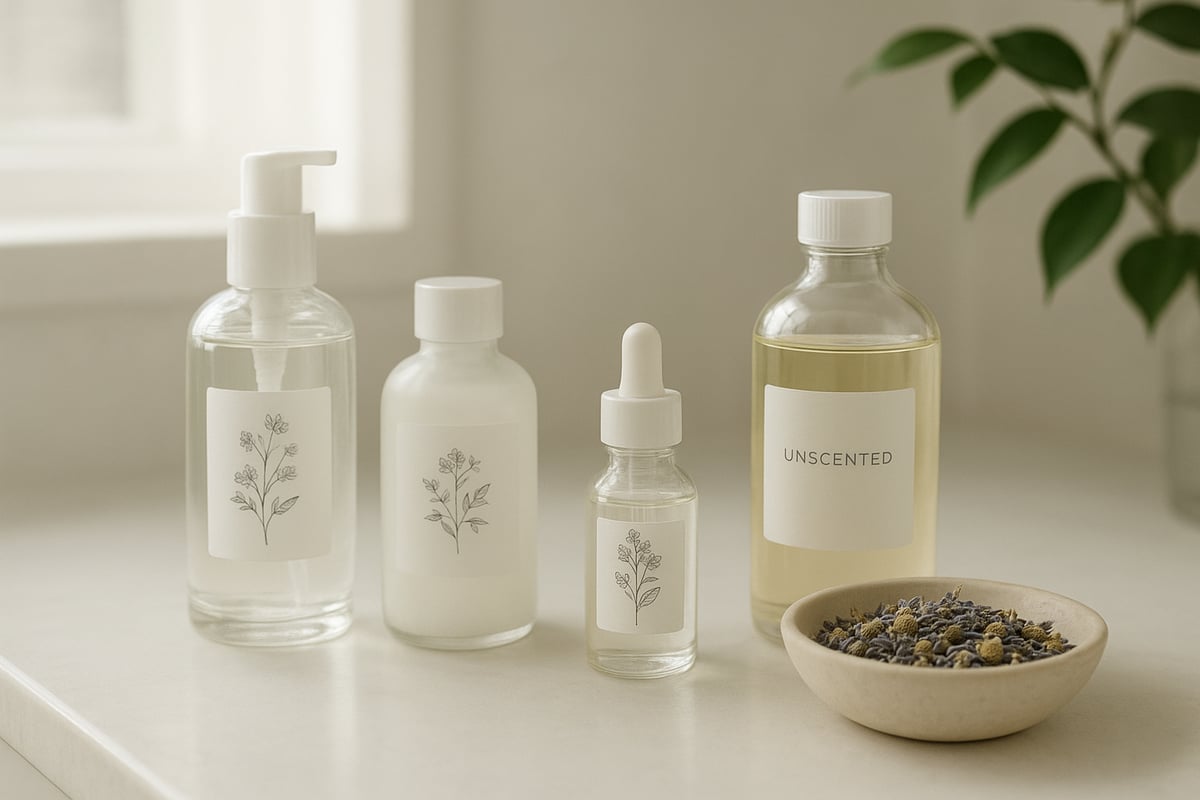
Fragrance for skincare adds a sensory dimension that elevates the entire routine. The right scent can promote relaxation, boost mood, and turn a simple cleanse or moisturize step into a soothing ritual. Research in aromatherapy shows that certain fragrances, like lavender or citrus, may help reduce stress and foster a sense of well-being.
Many consumers report that fragrance for skincare increases their enjoyment and commitment to self-care. In fact, surveys indicate that over 60% of users prefer products with a pleasant scent for their daily skincare. This emotional connection can make routines feel rewarding and encourage consistency, which is key for long-term skin health.
Functional Benefits of Natural Fragrances
Natural fragrance for skincare often comes from essential oils and plant extracts, which can offer more than just a pleasing aroma. For example, lavender and chamomile oils are prized for their calming scent and soothing effects on irritated skin. However, essential oils can be potent and may cause irritation for sensitive individuals, so they must be used thoughtfully.
Some botanicals provide antioxidant or anti-inflammatory benefits alongside their fragrance. If you’re interested in exploring the dual roles of natural fragrance for skincare, consider reading this Botanical skincare products overview for more on how botanicals can support both scent and skin function.
Brand Identity and Product Appeal
Fragrance for skincare is a powerful tool for brands aiming to create a memorable identity. Signature scents help products stand out in a crowded market and foster consumer loyalty. Iconic fragrances, such as rose or cucumber, are often associated with luxury or freshness, shaping how customers perceive a brand.
The use of fragrance for skincare can become a hallmark of a product line, strengthening recognition and emotional attachment. Brands carefully craft their scents to evoke specific feelings, whether it is comfort, purity, or energy, making fragrance a central element in the marketing of skincare.
When Fragrance is a Drawback
Despite the benefits, fragrance for skincare is not always suitable for everyone or every situation. Individuals with sensitive skin, those recovering from clinical treatments, or anyone prone to allergies may find scented products irritating. In these cases, fragrance-free or hypoallergenic lines are increasingly popular.
The demand for fragrance-free skincare options continues to grow as more consumers seek gentle, non-reactive products. Understanding when fragrance for skincare is beneficial and when it may be a drawback is essential for making informed choices that prioritize both enjoyment and skin health.
Risks and Controversies: Fragrance Allergens, Regulations, and Clean Beauty Movements
Understanding the risks and controversies around fragrance for skincare is essential as the industry evolves. With new regulations, allergy reports, and the rise of clean beauty, consumers need clarity to make informed choices. This section unpacks the major issues shaping the future of fragrance for skincare.
Fragrance Allergens and Sensitizers
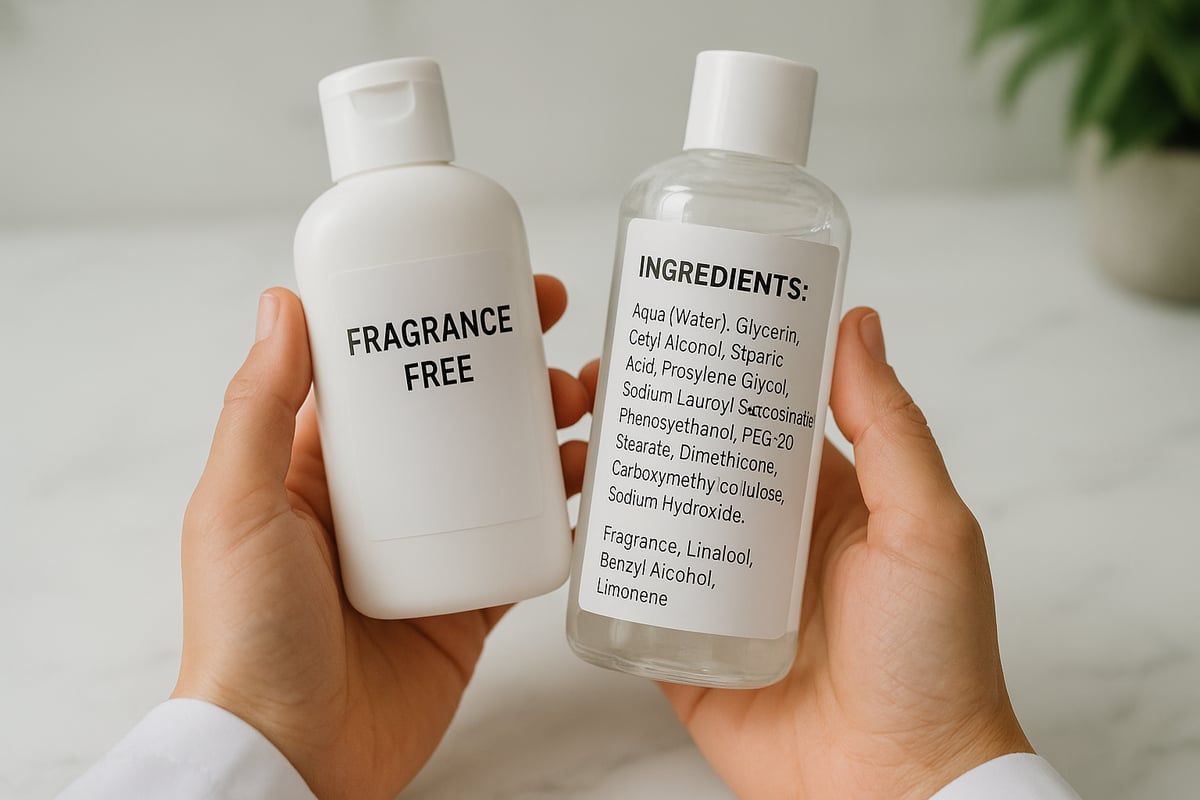
Fragrance for skincare can include a wide array of ingredients, many of which are potential allergens. Common sensitizers like linalool, limonene, and eugenol are often listed on product labels, especially in the European Union where disclosure is mandatory for certain substances. Consumers with sensitive skin are at higher risk for reactions such as redness, itching, or contact dermatitis.
To make safer choices, always scan ingredient lists for these known triggers. Recent studies reveal an increase in fragrance allergy reports, particularly among those using products marketed as gentle or natural. For more insights, see this research on the occurrence of allergens in cosmetics for sensitive skin, which highlights the importance of checking labels even on sensitive skin formulas.
Regulatory Landscape for 2025
The regulatory climate for fragrance for skincare is rapidly shifting. In the US, the FDA requires that products list “fragrance” as an ingredient but does not mandate disclosure of specific fragrance chemicals. In contrast, the EU enforces stricter rules, requiring brands to list 26 known allergens individually if present above certain thresholds. Asian markets vary, with some countries adopting EU-like standards.
A table summarizing key regulatory differences:
| Region | Fragrance Disclosure | Allergen Disclosure | Notable 2025 Updates |
|---|---|---|---|
| US | “Fragrance” | Not required | Possible new legislation |
| EU | “Parfum” + 26 allergens | Mandatory | Stricter enforcement |
| Asia | Mixed | Varies | Ongoing harmonization |
Consumers should stay informed as global regulations tighten, aiming for greater transparency in fragrance for skincare.
The Clean Beauty and Fragrance-Free Movement
The clean beauty movement has transformed how consumers view fragrance for skincare. Increasingly, shoppers seek products that are free from synthetic scents and prioritize transparency. Market data shows a surge in demand for fragrance-free and hypoallergenic products, with dedicated lines from both indie and established brands.
Brands leading this shift often highlight minimal ingredient lists, third-party certifications, and clear fragrance labeling. Consumers are also drawn to formulations that avoid common allergens and irritants. This trend is expected to accelerate through 2025 as awareness of fragrance risks continues to grow.
Fragrance Myths vs. Facts
There are many myths about fragrance for skincare. One common misconception is that “natural” fragrances are always safer than synthetics. In reality, essential oils and plant extracts can be just as irritating or allergenic as artificial scents. Another myth is that “fragrance-free” means the product contains no scent. In fact, some fragrance-free products use masking agents that neutralize odors without adding a noticeable smell.
A quick facts table:
| Myth | Fact |
|---|---|
| Natural is always safer | Both natural and synthetic can cause reactions |
| Fragrance-free = no scent | May still have subtle odor from base ingredients |
| Hypoallergenic means risk-free | Hypoallergenic is not a regulated term |
Critical evaluation of labels and brand claims is vital when choosing fragrance for skincare.
Expert Recommendations for At-Risk Groups
Dermatologists recommend extra caution with fragrance for skincare if you have sensitive, allergy-prone, or compromised skin. Always patch test new products before full use, especially on delicate areas like the face or neck. For children and pregnant women, experts suggest avoiding non-essential fragrances altogether.
When shopping, look for products labeled “fragrance-free” or “for sensitive skin,” and check for third-party testing or certifications. If you have a history of reactions, consult a dermatologist for personalized advice and consider allergy testing. Staying up to date with ingredient lists and regulatory updates helps you make safer choices about fragrance for skincare.
How to Choose the Right Fragrance in Skincare: A 2025 Step-by-Step Guide
Choosing the perfect fragrance for skincare is more than just picking a pleasant scent. It requires a thoughtful approach that balances sensory enjoyment with skin safety. This step-by-step guide empowers you to make informed decisions, protect your skin, and stay ahead of 2025’s evolving trends.
Step 1: Know Your Skin Type and Sensitivities
Understanding your skin’s unique needs is the foundation of choosing fragrance for skincare. Sensitive or allergy-prone skin often reacts to certain scents, while resilient skin may tolerate more options.
- Identify if you have dry, oily, combination, or sensitive skin.
- Reflect on past reactions to scented products.
- If unsure, consult a dermatologist or consider allergy testing.
For those with sensitive skin, fragrance-free products can be transformative. Explore options like unscented tallow balm for sensitive skin to support barrier repair without irritation.
Step 2: Read Ingredient Labels Carefully
The second step in selecting fragrance for skincare is label literacy. Ingredient lists can be complex, but spotting terms like “fragrance,” “parfum,” or “aroma” helps you decode what’s inside.
- Look for hidden fragrance ingredients in the list.
- Note that “fragrance-free” and “unscented” are not the same.
- Recognize potential allergens and sensitizers.
The FDA offers guidance on allergens in cosmetics to help you understand which fragrance components may cause reactions.
Step 3: Consider Product Purpose and Usage Area
Not all areas of your skin respond the same way to fragrance for skincare. Delicate regions like the face and eye area are more prone to irritation, while body lotions or hand creams may tolerate scents better.
Compare Usage Table:
| Product Type | Scented Recommended? | Notes |
|---|---|---|
| Face Moisturizer | Rarely | Opt for fragrance-free if sensitive |
| Eye Cream | No | Always choose unscented |
| Body Lotion | Sometimes | Scented is acceptable for most users |
| Hand Cream | Yes | Scented options widely available |
Consider the product’s purpose and your own comfort before making a selection.
Step 4: Research Brand Transparency and Philosophy
Brands vary in how openly they disclose fragrance for skincare ingredients. Transparent companies list all scent-related components and offer details about safety testing.
- Seek brands with clear ingredient lists and safety certifications.
- Look for labels such as “hypoallergenic,” “dermatologist-tested,” or “sensitive skin safe.”
- Research a brand’s stance on fragrance, sustainability, and allergen disclosure.
Transparency builds trust and helps you avoid unwanted surprises in your skincare routine.
Step 5: Test and Evaluate Products Safely
Before fully integrating a new fragrance for skincare product, patch testing is crucial. Even if you’ve used similar products before, formulations change and sensitivities can develop over time.
- Apply a small amount to your inner forearm or behind the ear.
- Wait 24–48 hours to observe any redness, itching, or swelling.
- If irritation occurs, discontinue use immediately.
Monitor for delayed reactions, especially with products used daily or left on the skin.
Step 6: Stay Updated on Emerging Trends and Regulations
The landscape of fragrance for skincare is evolving rapidly. New research, regulatory changes, and ingredient innovations shape what is considered safe and effective.
- Follow updates from regulatory agencies and dermatology experts.
- Use apps or online tools for ingredient decoding and allergy tracking.
- Stay informed about clean beauty trends and market shifts.
Empowering yourself with ongoing knowledge ensures your skincare choices remain both enjoyable and safe.
Trends and Innovations: The Future of Fragrance in Skincare for 2025
The landscape of fragrance for skincare is evolving rapidly as brands and consumers demand safer, more transparent, and innovative scent experiences. In 2025, several trends are reshaping how fragrances are developed, sourced, and integrated into skincare routines. Let us explore the cutting edge of fragrance for skincare and what you can expect in the coming year.
Sustainable and Eco-Friendly Fragrance Sourcing
Sustainability is at the forefront of fragrance for skincare innovation. Brands are prioritizing natural, biodegradable, and ethically sourced scent ingredients to meet environmental expectations.
- Plant-based extracts are replacing petroleum-derived synthetics.
- Companies are investing in traceable supply chains and fair trade practices.
- Biodegradable packaging is often paired with eco-conscious fragrances for a holistic approach.
Consumers seeking fragrance for skincare now look for products that align with their values, driving the industry toward greener, cleaner solutions.
Advances in Allergen-Free and Microbiome-Safe Fragrances
Science is unlocking new ways to make fragrance for skincare safer for sensitive skin and the skin microbiome. Modern formulations use advanced encapsulation techniques, which help limit direct skin contact and reduce irritation risk.
- Allergen-free synthetic molecules are being developed to mimic popular scents without triggering allergies.
- Microbiome-safe fragrances aim to preserve the skin’s natural balance, reducing the risk of inflammation and barrier disruption.
- Ongoing research is refining these technologies to expand safe options for fragrance for skincare users.
Personalization and AI-Driven Scent Solutions
Personalization is transforming fragrance for skincare in 2025. Brands are leveraging AI and data analytics to tailor scents to individual skin chemistry and preferences.
- Digital tools can analyze your skin type and suggest compatible fragrance profiles.
- Some companies offer AI-powered quizzes or in-store sensors to create custom-scented skincare on demand.
- This trend empowers users to control their fragrance experience, making skincare more enjoyable and effective.
Personalized fragrance for skincare is expected to become a new standard, blending technology and wellness.
Regulatory Shifts and Industry Response
Regulations around fragrance for skincare are tightening globally. In 2025, new rules in the US, EU, and Asia require more transparency about fragrance ingredients and potential allergens.
- Brands must disclose certain fragrance allergens and avoid vague terms like “parfum” without further detail.
- The clean beauty movement is accelerating these changes, with consumers demanding full ingredient lists and safer choices.
- To understand how these regulatory shifts are driving innovation and transparency, see Clean skin products explained.
As compliance becomes more complex, brands are reformulating products and enhancing labeling to meet both legal and consumer standards.
Consumer Education and Empowerment
Consumer awareness is a powerful driver in the fragrance for skincare market. Educational tools and apps help users decode ingredient lists, track allergies, and make safer choices.
- Dermatologists and influencers are sharing evidence-based tips on fragrance safety and patch testing.
- Ingredient transparency apps let you scan barcodes and flag potential allergens in real time.
- Empowered shoppers are more likely to demand fragrance for skincare that fits their safety needs.
Education is bridging the gap between innovation and safe routine adoption.
Market Forecasts and Consumer Preferences
The market for fragrance for skincare is expected to diversify significantly by 2025. Fragrance-free and hypoallergenic products are projected to see strong growth, while personalized and sustainable options gain traction.
| Segment | Projected Growth (%) |
|---|---|
| Fragrance-free skincare | 9.2 |
| Hypoallergenic skincare | 8.5 |
| Personalized fragrance products | 7.8 |
| Sustainable fragrance products | 10.4 |
Consumers are balancing luxury, safety, and sustainability when choosing fragrance for skincare. Brands that can innovate across these areas will likely lead the market in the years ahead.