

Top 8 Organic Skin Care Lines to Try in 2025
As 2025 approaches, the appetite for clean, natural beauty solutions continues to surge. More consumers are seeking organic skin care lines that promise purity, transparency, and visible results without the risks of harsh chemicals.
Growing awareness about toxins and synthetic additives in conventional products has fueled this shift. People want safer options for themselves and their families, and demand brands that align with ethical and sustainable values.
In this article, discover the top 8 organic skin care lines leading the industry. Explore each brand’s standout features, pricing, and what makes them essential for every skin type and concern.
Why Choose Organic Skin Care in 2025?
As the demand for safer, more effective beauty products grows, organic skin care lines are taking center stage in 2025. Consumers are asking tough questions about ingredient safety, sustainability, and real results. What makes these lines so appealing, and why is now the perfect time to make the switch?
Growing Consumer Awareness and Health Concerns
Consumers are more informed than ever about what goes on their skin. Reports of increased sensitivities, allergies, and potential long-term health risks linked to synthetic ingredients have prompted a shift in priorities. The European Union has banned over 1,100 ingredients in cosmetics, while the US restricts only about 10, highlighting significant safety gaps. As a result, organic skin care lines have become the preferred choice for those seeking gentle, non-toxic alternatives that prioritize holistic wellness and clean beauty.
Environmental Impact and Sustainability
Choosing organic skin care lines is not just a personal decision, it is an environmental one as well. These brands emphasize eco-friendly sourcing, cruelty-free testing, and sustainable packaging, such as glass or biodegradable containers. By avoiding toxic runoff and harsh chemicals, organic products help reduce water and air pollution. Many brands are also committed to regenerative practices, as discussed in this post on sustainable skincare and regenerative beauty, making your beauty routine better for the planet.
Ingredient Transparency and Safety
Transparency is a hallmark of leading organic skin care lines. Clear labeling, such as GMO-free, SLS-free, and paraben-free claims, empowers customers to make informed decisions. Trusted certifications like USDA Organic, EWG VERIFIED™, COSMOS, and Leaping Bunny ensure rigorous standards. Many consumers rely on the Environmental Working Group’s Skin Deep database to evaluate product safety, further highlighting the movement toward open, honest ingredient lists.
Performance and Efficacy
Gone are the days when organic skin care lines were seen as less effective. Advances in botanical science have led to high-performing formulas that rival or even outperform traditional products. Clinical studies and user reviews show that organic options can deliver impressive results for anti-aging, acne, and sensitive skin concerns. The growing range of targeted solutions proves that you do not have to compromise on efficacy when choosing organic.
Cost Considerations and Value
Organic skin care lines are available at a variety of price points, from affordable staples to luxury collections. While some products may cost more due to premium ingredients and ethical sourcing, many consumers find the investment worthwhile for the added benefits and peace of mind. Mixing higher-end products with budget-friendly options can help maximize value, making organic skin care accessible for all.
What to Look for in an Organic Skin Care Line
Choosing the right organic skin care lines requires a careful look at what goes into each product and how those choices align with your values and skin needs. By understanding key ingredients, what to avoid, certification labels, brand ethics, and suitability for your skin type, you can make informed decisions that support both your health and the planet.
Key Ingredients and Their Benefits
The best organic skin care lines feature potent, plant-based ingredients with proven results. Look for formulas with aloe vera for soothing hydration, shea butter for deep moisture, and jojoba oil to balance natural oils. Vitamin C from botanical sources brightens the complexion and defends against environmental stressors.
Some brands highlight unique ingredients like beef tallow, which offers essential fatty acids for sensitive skin, or wildcrafted herbs known for their antioxidant effects. Understanding these components is crucial for selecting products tailored to your needs. For a deeper dive into ingredient benefits, see this Botanical skincare products guide.
Ingredients to Avoid
When evaluating organic skin care lines, avoid products with the following additives:
- Parabens
- Phthalates
- SLS/SLES (sodium lauryl/laureth sulfate)
- Synthetic fragrances
- Petroleum derivatives
These ingredients can trigger irritation, disrupt hormones, or cause long-term health issues. By choosing lines that exclude these chemicals, you help protect your skin and overall well-being.
Certifications and Labeling
Trustworthy organic skin care lines display certifications like USDA Organic, EWG VERIFIED™, COSMOS, or Leaping Bunny. These labels indicate rigorous standards for safety, sourcing, and transparency. Always review ingredient lists, looking for clear labeling such as GMO-free, SLS-free, or paraben-free. You can also consult the Environmental Working Group's Skin Deep database for safety ratings.
Brand Ethics and Values
Ethical practices are at the core of leading organic skin care lines. Seek brands that are cruelty-free, vegan, and committed to responsible sourcing. Transparency in manufacturing, use of recyclable packaging, and support for fair labor further distinguish ethical lines. By prioritizing these values, you support companies making a positive impact.
Suitability for Different Skin Types
Not all organic skin care lines are the same, so match your selection to your skin’s needs. For oily or acne-prone skin, opt for lightweight, non-comedogenic ingredients. Dry or mature skin benefits from richer creams with shea butter or tallow. Sensitive skin thrives with fragrance-free, minimal formulas. Brands often specialize in certain concerns, such as anti-aging, eczema, or brightening, making it easier to find your ideal routine.
Top 8 Organic Skin Care Lines to Try in 2025
The landscape of organic skin care lines is evolving rapidly in 2025, offering consumers an unprecedented variety of choices rooted in purity, efficacy, and ethical practices. As more people seek safer alternatives to conventional products, the demand for transparent, high-performing organic skin care lines has never been higher. According to the Organic Skin Care Market Outlook, global interest continues to surge, driven by growing consumer awareness and a focus on clean beauty.
This curated list spotlights eight remarkable organic skin care lines excelling in ingredient integrity, results, and sustainability. Whether you are seeking solutions for sensitive skin, anti-aging, or simply want to commit to a greener routine, these brands represent the best of what 2025 has to offer.
LUSTRÉA Skincare
LUSTRÉA Skincare stands out among organic skin care lines for its commitment to traditional ingredients and modern purity standards. The brand's signature whipped tallow creams, priced between $29.00 and $39.99 for 4oz, offer a blend of grass-fed, organic beef tallow and plant-based shea butter. These products are vitamin-rich, featuring A, D, E, and K to deeply nourish and repair the skin.

What makes LUSTRÉA unique among organic skin care lines is its multi-use formula suitable for sensitive skin, eczema relief, and even babies. The creams are non-greasy, quick-absorbing, and come in both fragrance-free and gently scented versions. Eco-friendly buyers will appreciate the brand’s all-organic approach and ethical sourcing.
Pros:
- Ultra-gentle for all ages
- Free from artificial ingredients
- Ethically sourced
Cons:
- Not vegan due to tallow
- Limited product range
LUSTRÉA’s focus on purity and effectiveness makes it a must-try, especially for families and those with sensitive skin seeking organic skin care lines rooted in tradition and transparency.
Eminence Organics
Eminence Organics is a pioneer among organic skin care lines, with a legacy dating back to 1958. This Hungarian brand crafts its products from organic fruits, herbs, and botanicals, all made in small batches for optimal potency. Pricing falls in the mid-to-high range, with products from $40 to $120, reflecting their spa-quality formulations.
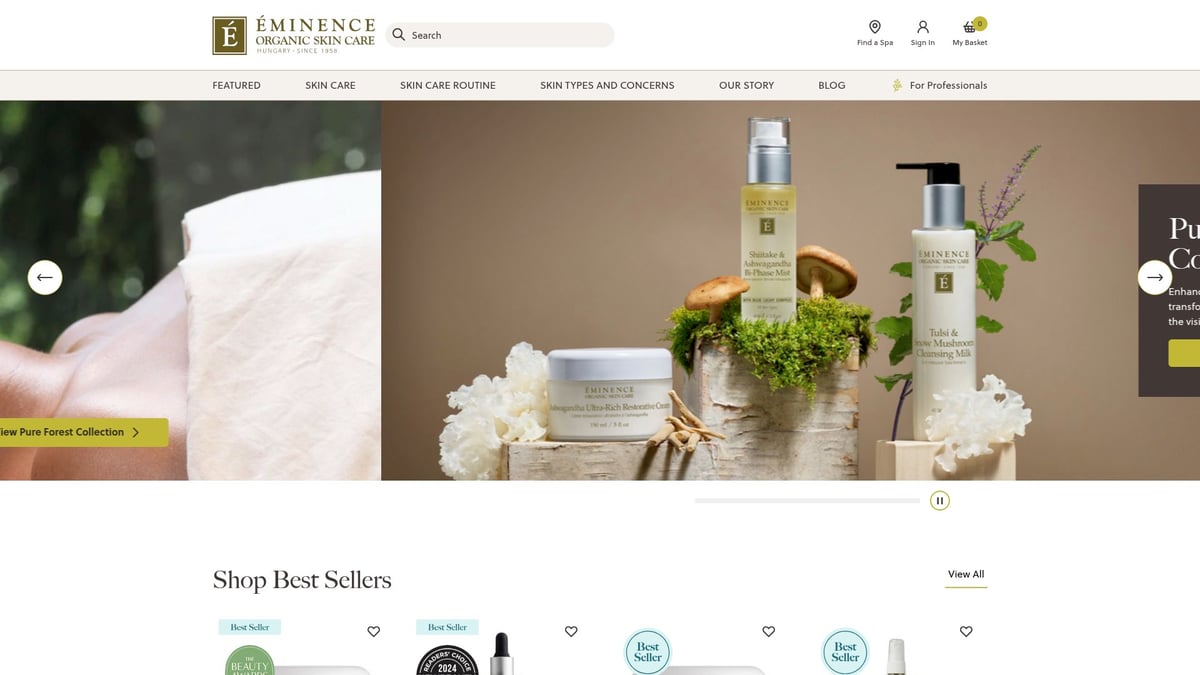
The line is known for its wide array of targeted solutions, including anti-aging, acne, and brightening treatments. Eminence Organics stands out for using biodynamic farming methods and eco-friendly packaging, further demonstrating their commitment to sustainability.
Pros:
- Extensive product range
- Reputable certifications
- High efficacy
Cons:
- Premium price point
- Some formulas may be too rich for oily skin
Spa-goers and luxury enthusiasts looking for organic skin care lines with a proven track record will find Eminence Organics a top-tier choice.
Acure Organics
Acure Organics has made a name for itself as one of the most accessible and affordable organic skin care lines, with products ranging from $10 to $25. The brand is 100% vegan, sulfate-free, and paraben-free, focusing on plant-based formulas that deliver results without compromising on safety.

Acure’s cleansers, moisturizers, and serums are widely available, making clean beauty attainable for a broad audience. The company is family-owned, cruelty-free, and actively gives back to communities, reinforcing its social responsibility.
Pros:
- Affordable and accessible
- Cruelty-free
- Simple, effective formulations
Cons:
- Less luxurious textures
- Fewer advanced actives
For budget-conscious shoppers and young adults, Acure Organics exemplifies organic skin care lines that prioritize both value and integrity.
Annmarie Skin Care
Annmarie Skin Care is a premium brand in the world of organic skin care lines, focusing on wildcrafted and organic botanicals. Prices range from $30 to $120, with sample kits available for those wanting to try before committing. Their formulas are non-GMO, cruelty-free, and packaged in glass for sustainability.
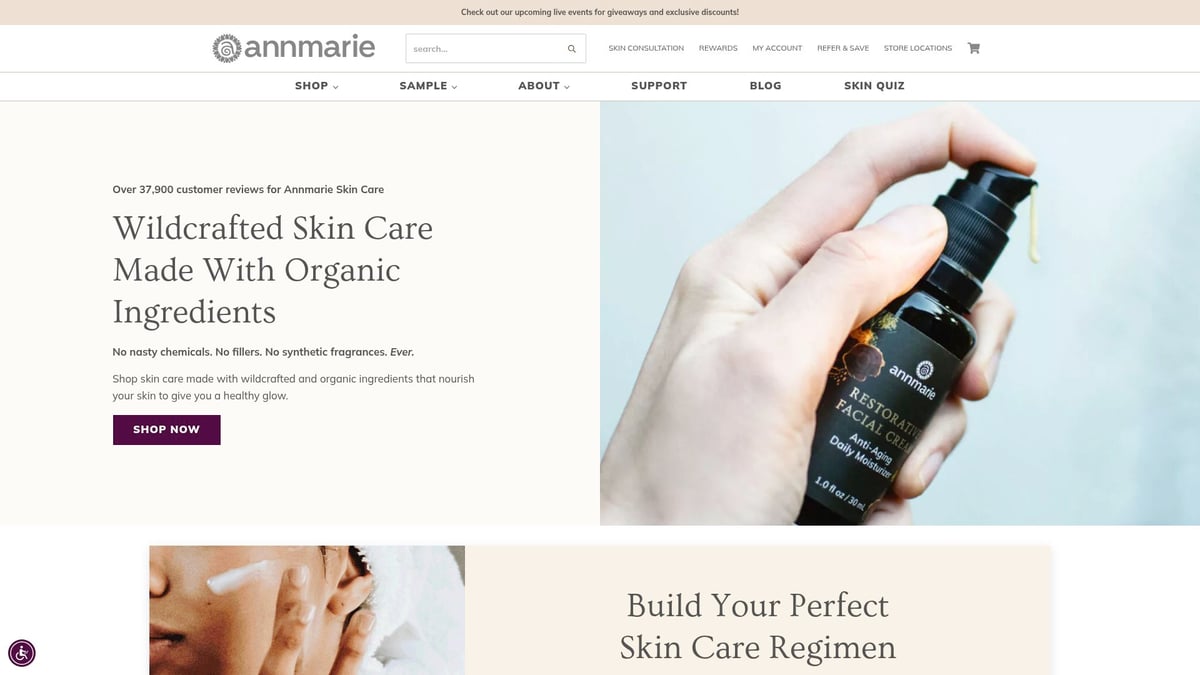
What sets Annmarie apart is its personalized approach, offering a skin care quiz to match products with individual needs. The brand’s small-batch production ensures freshness, and expiration dates are clearly listed for transparency.
Pros:
- Wildcrafted ingredients
- Personalized recommendations
- No harsh preservatives
Cons:
- Higher price point
- Limited to online and select retailers
Holistic wellness seekers and those targeting anti-aging or sensitive skin will appreciate Annmarie’s dedication to pure, effective organic skin care lines.
Beautycounter
Beautycounter has gained a strong reputation among organic skin care lines for its advocacy and strict ingredient standards. With products priced from $20 to $90, Beautycounter maintains a “Never List” of over 1,500 banned chemicals and offers several EWG VERIFIED™ options.
The brand excels at combining safety and efficacy, offering adaptive moisturizers and a broad range of skin solutions. Beautycounter is also a leader in industry advocacy, pushing for stricter regulations and transparency.
Pros:
- Wide product variety
- High safety standards
- Direct-to-consumer model
Cons:
- Not available in physical stores
- Some products may be too light for very dry skin
Clean beauty advocates and families searching for trustworthy organic skin care lines will find Beautycounter an excellent option.
ISUN Skincare
ISUN Skincare defines luxury in the organic skin care lines category, with prices from $40 to $150. Founded by a clinical nutritionist, ISUN blends botanical chemistry with a holistic philosophy, offering everything from cleansers to aromatherapy.
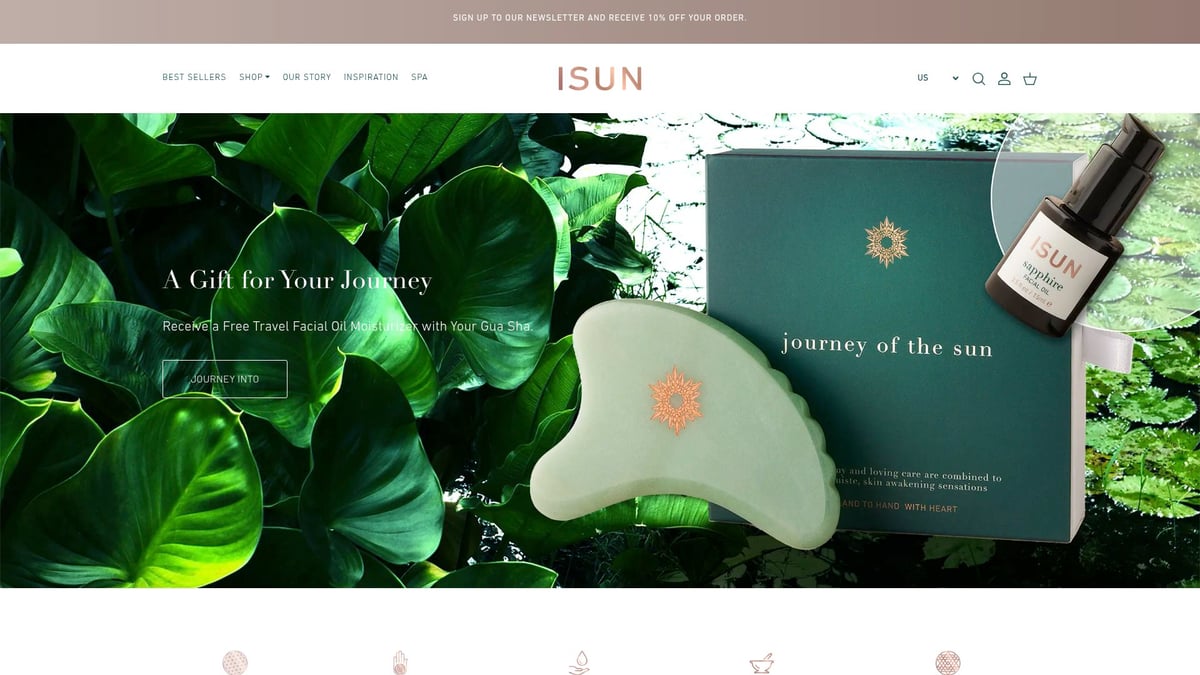
ISUN is known for its spa-grade performance and focus on energy and vibrancy, making it a favorite in luxury spas and among holistic health enthusiasts. The extensive range allows for a fully customized routine.
Pros:
- Holistic, energetic approach
- Hundreds of product options
- Exclusive salon partnerships
Cons:
- Premium price tag
- Less accessible for everyday consumers
For those seeking transformative, high-end organic skin care lines, ISUN delivers both luxury and results.
Avalon Organics
Avalon Organics is a staple among budget-friendly organic skin care lines, with products priced between $8 and $20. The brand is GMO-free, paraben and phthalate-free, and places a strong emphasis on Vitamin C-rich formulas.
Accessible in most stores, Avalon Organics offers effective solutions for daily cleansing and renewal. Ingredient transparency and eco-conscious packaging further solidify its reputation.
Pros:
- Widely available and affordable
- Solid ingredient transparency
- Good for everyday use
Cons:
- Simpler formulations
- Less luxurious experience
Everyday users and those new to organic skin care lines will find Avalon Organics a reliable, cost-effective choice.
Alba Botanica
Alba Botanica rounds out this list of top organic skin care lines with its 100% vegetarian, botanically-based products priced from $8 to $20. The brand is recognized for its hydrating lotions, body care, and commitment to women’s empowerment and social responsibility.
Alba Botanica’s formulas are gentle, with pleasant scents and eco-friendly practices, making them a favorite among families and budget shoppers.
Pros:
- Accessible and affordable
- Socially responsible
- Wide range of body care
Cons:
- Not fully vegan
- Basic packaging
For those wanting gentle, effective body care from organic skin care lines, Alba Botanica is a standout for its community focus and value.
Comparison Table: Top 8 Organic Skin Care Lines
| Brand | Price Range | Key Features | Best For | Vegan |
|---|---|---|---|---|
| LUSTRÉA | $29–$39.99 | Tallow, shea butter, vitamin-rich | Sensitive, families | No |
| Eminence Organics | $40–$120 | Fruits, botanicals, spa-quality | Spa-goers, luxury | Some |
| Acure Organics | $10–$25 | 100% vegan, plant-based | Budget, young adults | Yes |
| Annmarie | $30–$120 | Wildcrafted, fresh, glass packaging | Holistic, anti-aging | Yes |
| Beautycounter | $20–$90 | “Never List”, advocacy, EWG VERIFIED™ | Families, all skin types | Some |
| ISUN Skincare | $40–$150 | Botanical chemistry, energetic approach | Luxury, holistic | Some |
| Avalon Organics | $8–$20 | Vitamin C, accessible, transparent | Everyday, affordable | Yes |
| Alba Botanica | $8–$20 | 100% vegetarian, body care, social impact | Families, body care | No |
Explore these organic skin care lines to find the perfect match for your skin type, values, and budget. Each brand on this list exemplifies the innovation and dedication driving the industry forward in 2025.
How to Transition to Organic Skin Care Successfully
Switching to organic skin care lines can transform your complexion and overall well-being, but a thoughtful approach is key. Many first-time users are eager to see results, yet a gradual shift ensures your skin adapts comfortably to cleaner, more natural formulas. If you have concerns about toxins or harsh chemicals, learning about their effects can clarify why the change is worth it.
Step-by-Step Transition Guide
Start by replacing the products you use most often, such as cleanser and moisturizer, with options from trusted organic skin care lines. This approach helps minimize the risk of irritation or breakouts. Introduce one new product at a time, waiting at least a week before adding another to monitor how your skin responds.
Always patch test new items on a small area to rule out allergies. Expect a short adjustment period, especially if your previous routine included synthetic ingredients. Your skin may temporarily feel drier or oilier as it balances itself, but consistent use of organic skin care lines should soon reveal improvements.
Tips and Resources for a Smooth Switch
- Opt for sample kits or travel sizes from different organic skin care lines before committing to full-size products.
- Use online tools, like ingredient checkers and brand quizzes, to personalize your selections.
- Combine organic skin care lines with healthy habits, such as a balanced diet, proper hydration, and stress management.
- Mix high-end and affordable options to maximize value for your budget.
- For more detailed guidance, check out this post on building a natural skincare routine, which offers actionable transition tips.
Many consumers find that documenting their experience helps track progress. For example, after transitioning to organic skin care lines, some report clearer skin, fewer sensitivities, and increased confidence in the safety of their daily regimen.
Remember, every skin journey is unique. Stay patient and use the resources available to you for the best possible results. Embracing organic skin care lines can be a rewarding investment in your skin's health and the planet's future.
Frequently Asked Questions about Organic Skin Care
Curious about organic skin care lines? Here are answers to the most common questions from consumers seeking safe, effective, and ethical beauty solutions in 2025.
Are organic skin care lines suitable for all skin types and concerns?
Most organic skin care lines formulate products for a wide range of skin types, including oily, dry, sensitive, and mature skin. Always check for targeted solutions and conduct a patch test for new products, especially if you have allergies or chronic conditions.
How can I tell if a brand is truly organic and not just “greenwashed”?
Look for third-party certifications like USDA Organic, EWG VERIFIED™, or COSMOS. Read ingredient lists carefully and research transparency reports. For deeper insights, review Natural and Organic Cosmetics Statistics to understand how consumer demand is shaping authentic organic skin care lines.
Do organic skin care lines expire faster than conventional products?
Yes, because they avoid harsh preservatives, organic skin care lines often have shorter shelf lives. Always check expiration dates, store in cool places, and use up products promptly for best results.
Can organic products deliver results similar to clinical skin care?
Advances in botanical science have made many organic skin care lines highly effective. Clinical studies and user reviews often show comparable results for concerns like acne, aging, and hydration.
What should I do if I react to an organic product?
Discontinue use immediately and consult a dermatologist. Even natural ingredients can cause sensitivities. For more on ingredient safety, see Why chemicals are bad for skin.
How should I store organic skin care lines for maximum freshness?
Keep products away from heat, light, and humidity. Glass packaging and refrigeration can help preserve sensitive formulas.
Are organic skin care lines safe for children and pregnancy?
Most are formulated to be gentle, but always consult your healthcare provider before use during pregnancy or on young children.
Where can I find more information about ingredient safety and brand transparency?
Trusted sources include the Environmental Working Group’s Skin Deep database, the USDA Organic site, and published brand reports. Researching these can help you make informed choices when exploring organic skin care lines.