

Organic Tallow Guide: Pure Benefits and Uses for 2025
Organic tallow is emerging as a top trend in natural wellness and skincare for 2025, praised for its purity and versatility. Why are so many health-conscious consumers and beauty experts turning to this time-honored ingredient?
This guide will help you understand the science, proven benefits, and practical uses of organic tallow. With a focus on evidence-based information, you will be empowered to make informed choices for your health, beauty, and sustainability goals.
Discover what organic tallow is, how it’s crafted, its nutritional and cosmetic advantages, the best ways to use it, tips for choosing quality, and the key trends shaping the future.
What Is Organic Tallow? Origins, Types, and Processing
Organic tallow is making a comeback as a trusted, multi-use ingredient for food and skincare. But what exactly is organic tallow, and why is it gaining popularity in wellness circles? Understanding its roots, how it differs from conventional fats, and how it is processed helps clarify its value for health and sustainability.
Definition and Historical Context
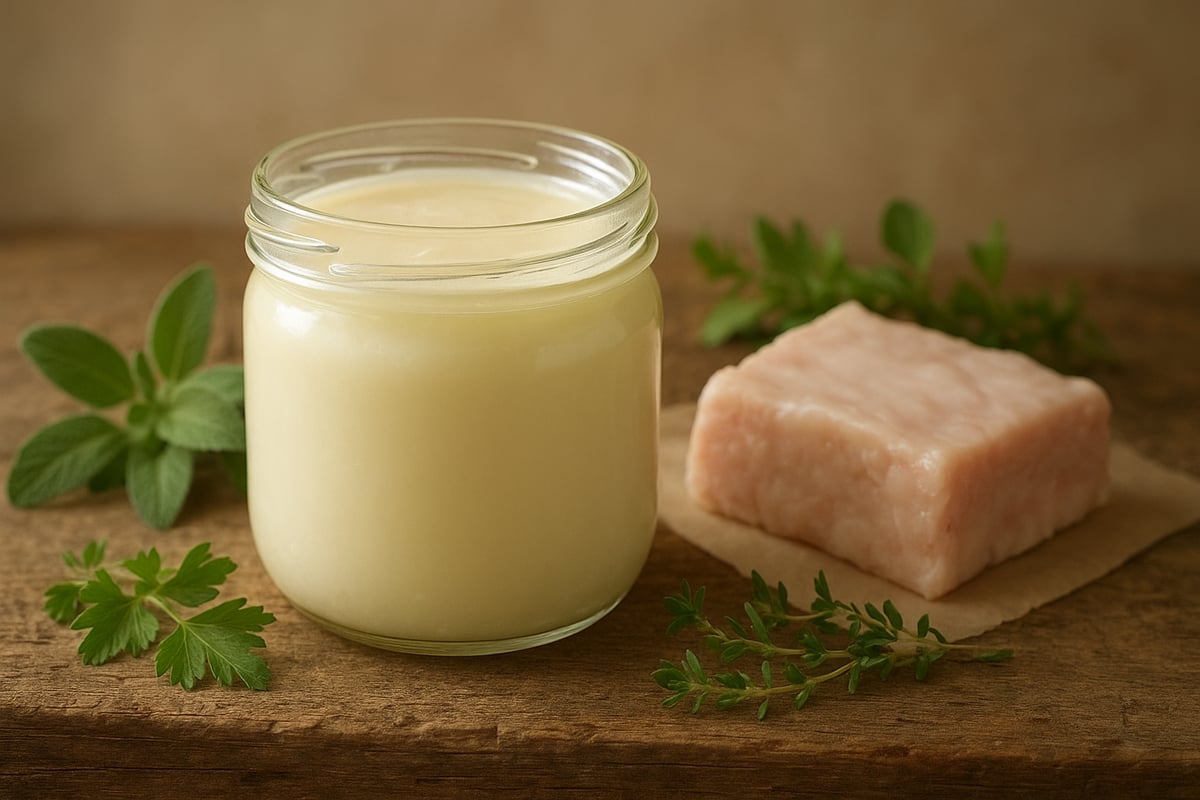
Organic tallow is rendered animal fat, most commonly sourced from beef suet. Throughout history, cultures worldwide have relied on tallow for a variety of uses, including cooking, making soap, candles, and skincare remedies. Before the rise of vegetable oils and synthetic skincare, tallow was a staple in both kitchens and apothecaries.
Its resurgence today is rooted in the clean beauty and wellness movements, where people are seeking natural, traditional ingredients with proven track records. Organic tallow stands out for its purity, versatility, and close resemblance to the natural oils found in human skin. This unique compatibility and its time-tested benefits contribute to its appeal for modern consumers.
Types of Tallow and What Makes It “Organic”
Not all tallow is created equal. Conventional tallow may come from grain-fed animals or those exposed to hormones and antibiotics. In contrast, grass-fed tallow comes from animals raised on pasture, offering a richer nutrient profile.
Organic tallow is defined by strict certification standards. Animals must be pasture-raised, free of hormones, vaccines, and antibiotics. Farms must avoid synthetic pesticides and demonstrate full traceability. For example, brands like Sulu Organics ensure their organic tallow is hormone-free and sourced from transparent, ethical farms.
Rendering methods also matter. Wet rendering uses water and lower temperatures, preserving nutrients and resulting in a cleaner product. Dry rendering involves higher heat, which can affect purity. The choice of method impacts the quality and safety of organic tallow for culinary and cosmetic use.
Processing, Purity, and Shelf Life
Processing organic tallow begins with carefully selected suet, which is rendered using wet or dry methods. Wet rendering involves simmering the fat with water, allowing impurities to separate and be removed. Dry rendering heats the fat directly, which can be faster but may reduce some nutrients.
Once rendered, the tallow is filtered to remove solids and impurities, creating a product suitable for both food and skincare. Quality organic tallow contains no preservatives or additives, relying on its natural stability for shelf life. Properly stored, it lasts about 9 months at room temperature and up to 18 months when frozen.
Packaging is also important. Food-grade, BPA-free containers and FDA-approved standards help maintain purity and freshness. Consumers should look for transparent labeling and avoid products with unclear sourcing or unnecessary ingredients to ensure they are getting genuine organic tallow.
Nutritional and Skin Benefits of Organic Tallow
Organic tallow is gaining attention for its impressive nutritional value and unique compatibility with human skin. This section explores the science-backed benefits of organic tallow for both health and beauty, offering a comprehensive look at why this traditional fat is making a modern comeback.
Nutritional Profile and Health Benefits
Organic tallow stands out due to its balanced fatty acid content. About 50% of its fat is saturated, 42% is monounsaturated, and only 4% is polyunsaturated. This composition supports stability at high cooking temperatures and delivers a steady energy source.
| Fat Type | Percentage in Organic Tallow |
|---|---|
| Saturated | ~50% |
| Monounsaturated | ~42% |
| Polyunsaturated | ~4% |
In addition to healthy fats, organic tallow contains vitamins A, D, E, K, and niacin. These nutrients are essential for immune function, bone health, and antioxidant protection. Compared to other animal and plant fats, organic tallow is non-GMO and, when sourced from grass-fed animals, offers improved purity.
Moderate use of organic tallow may benefit heart health, metabolism, and cognitive function thanks to its rich blend of nutrients. It is also suitable for paleo, keto, and carnivore diets, making it a versatile option for those seeking whole-food nutrition. Many premium brands, like Sulu Organics, filter their tallow to ensure it is free from additives or contaminants.
Skin Benefits and Cosmetic Applications
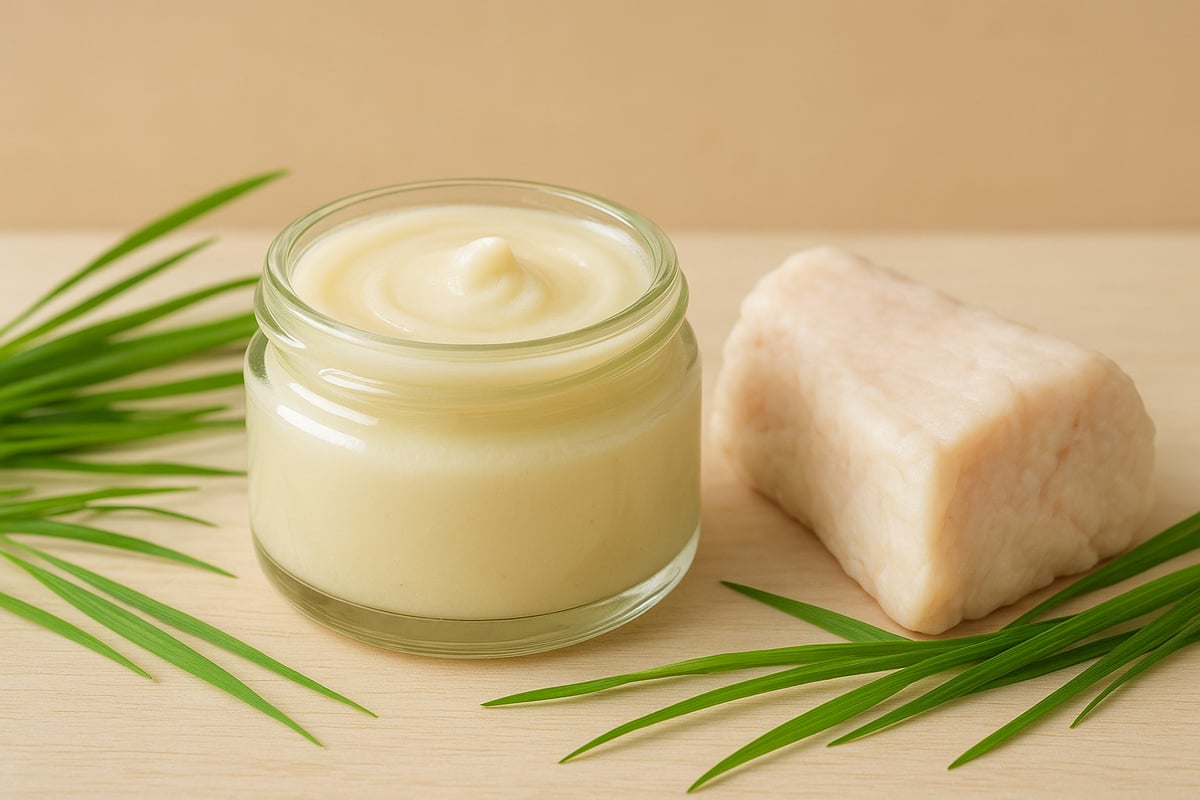
What truly sets organic tallow apart in skincare is its remarkable similarity to human sebum. This natural affinity allows organic tallow to absorb quickly, providing deep hydration without leaving a greasy residue. Its unique profile supports barrier repair and reduces inflammation, making it ideal for sensitive, dry, or eczema-prone skin.
For daily use, organic tallow acts as a gentle moisturizer that helps soothe irritation and restore suppleness. Studies and user experiences, such as a 30-day tallow skincare routine, have shown visible improvements in moisture and texture. Tallow is often used as a base for balms, creams, and soaps, and can be blended with essential oils or shea butter for added benefits.
Importantly, organic tallow is generally non-comedogenic, meaning it will not clog pores for most users. However, those with acne-prone skin should patch test first. To learn more about the superior moisturizing power of grass-fed tallow balm, read Why Tallow Balm Is the Ultimate Natural Moisturizer.
Key Arguments and Insights
Organic tallow is at the forefront of natural and minimalist skincare trends. Unlike petroleum-based creams, which can block pores, or some plant-based moisturizers that may lack key nutrients, organic tallow offers a simple, nutrient-dense solution. Its growing popularity is driven by consumer demand for clean, traceable, and multi-purpose skincare.
Concerns about heaviness or scent are often addressed through careful processing and the addition of natural botanicals. Ethically sourced organic tallow, especially from transparent farms, aligns with values of sustainability and animal welfare.
Recent market data highlights a surge in interest for organic tallow products, with more consumers seeking alternatives to synthetic ingredients. As awareness grows, organic tallow is poised to set new standards for purity and effectiveness in both nutrition and beauty.
How to Use Organic Tallow: Culinary, Skincare, and Beyond
Organic tallow is celebrated for its versatility in both the kitchen and daily self-care routines. As more people look to natural alternatives for wellness, organic tallow stands out for its purity and adaptability. Whether you are seeking a nutrient-rich cooking fat or a deeply hydrating moisturizer, understanding how to use organic tallow can enhance your health and lifestyle.
Culinary Uses and Nutritional Cooking
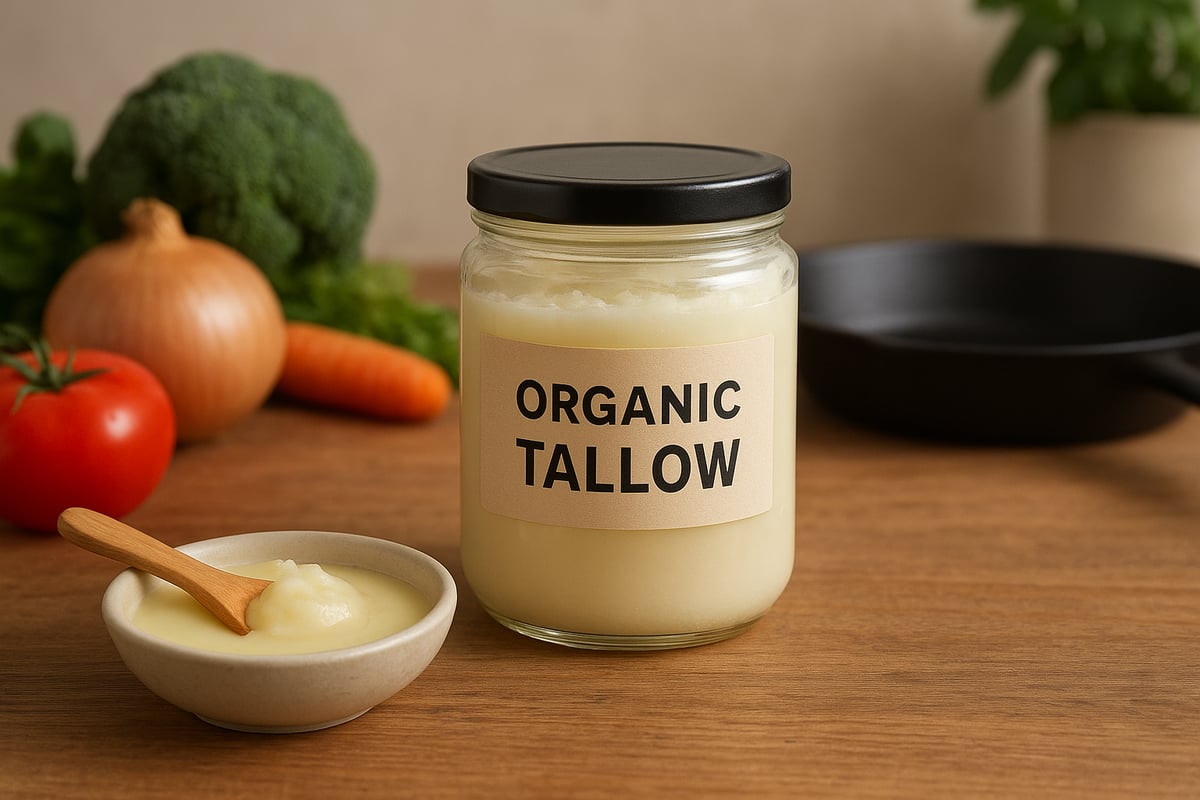
Organic tallow is prized as a stable, high-heat cooking fat, making it ideal for frying, roasting, and even baking. Its smoke point is higher than most vegetable oils, which means it retains nutritional integrity and flavor when exposed to heat. Many chefs and home cooks appreciate the subtle, savory taste it imparts to dishes like roasted vegetables, crispy potatoes, and traditional pastries.
- Frying: Organic tallow delivers a golden, crisp texture to fries and meats.
- Roasting: Adds depth to root vegetables and poultry.
- Baking: Creates flaky pie crusts and rich, tender baked goods.
Unlike highly processed seed oils, organic tallow contains natural vitamins and beneficial fatty acids. Proper storage is key; keep it in an airtight container at room temperature for up to nine months, or freeze for longer shelf life. By using organic tallow in your kitchen, you benefit from natural nutrition and robust flavor.
Skincare and Beauty Applications
The composition of organic tallow closely resembles human skin lipids, making it exceptionally biocompatible. This allows for fast absorption and deep hydration without a greasy residue. People with sensitive, dry, or eczema-prone skin often report significant improvements when switching to tallow-based moisturizers.
- Daily moisturizer: Apply a pea-sized amount to face or body for lasting hydration.
- Balms and creams: Soothe chapped lips, rough elbows, and dry hands.
- Soaps: Gentle cleansing with a creamy lather.
For optimal results, use tallow on damp skin to help lock in moisture. Tallow-based sunscreens and body butters offer a minimal-ingredient, protective barrier. If you are curious about best practices, How to Use Tallow Balm: Tips & Tricks provides detailed advice on maximizing results with organic tallow in your beauty routine.
Other Household and Traditional Uses
Beyond food and skincare, organic tallow has a long history in household applications. Its unique properties make it a sustainable option for a variety of traditional crafts and home care needs.
- Soap making: Produces a mild, moisturizing soap with a rich lather.
- Candle crafting: Burns cleanly and slowly, free from synthetic additives.
- Pet care: Nourishes dry paw pads or noses for dogs and cats.
- Leather conditioning: Restores suppleness to shoes, bags, and furniture.
Using organic tallow for these purposes supports a zero-waste lifestyle. Its natural composition ensures that products are safe for both your family and the environment. Many people rediscover the value of tallow in homemade solutions, blending tradition with modern sustainability.
Step-by-Step Guide: Integrating Tallow Into Your Routine
Incorporating organic tallow into your daily life is straightforward. Here is a chronological approach to help you get started:
Culinary Use
- Choose high-quality, organic tallow.
- Store in a cool, dry place.
- Replace vegetable oils with tallow for frying or roasting.
- Melt gently before adding to recipes.
Skincare Routine
- Cleanse skin with a mild, non-stripping cleanser.
- Pat skin dry, leaving it slightly damp.
- Warm a small amount of tallow between fingers.
- Massage onto face or body in upward, circular motions.
- Layer with other serums or oils if desired.
Safety and Storage
- Always use clean utensils to avoid contamination.
- Close lids tightly after each use.
- Discard if you notice any changes in smell or texture.
By following these steps, you can fully experience the benefits of organic tallow in cooking, skincare, and beyond. Its natural versatility makes it an essential addition to any healthy, sustainable routine.
How to Choose the Best Organic Tallow in 2025
Selecting the best organic tallow in 2025 requires a discerning approach. With growing demand for clean, sustainable ingredients, it is vital to know exactly what sets high-quality tallow apart. Here, we break down the criteria, labeling, brand comparisons, and highlight a trusted solution for your wellness and skincare needs.
Essential Criteria for Quality and Purity
When evaluating organic tallow, certifications are your first checkpoint. Look for USDA organic, non-GMO, and hormone- or antibiotic-free claims. These ensure the tallow comes from animals raised on clean, pasture-based diets.
Transparency is crucial. Know your source—request details about the farm, animal welfare, and processing methods. Wet rendering retains more nutrients, while dry rendering is traditional but may affect texture. Freshness matters, so check batch dates and packaging. Choose food-grade, BPA-free containers to keep your organic tallow pure and safe.
Avoid whipped or overly-processed tallow, as these can dilute quality. For more on how responsible brands ensure traceability, see Ingredient Sourcing and Farm Transparency. Prioritize products with clear sourcing and minimal additives for optimal results.
Reading Labels and Understanding Ingredients
Careful label reading is essential for choosing the right organic tallow. Always look for “100% pure tallow” as the primary ingredient, and avoid preservatives, fillers, or synthetic fragrances. Trustworthy brands provide batch testing and third-party lab certifications, ensuring you get authentic, safe organic tallow.
Be wary of misleading marketing language. “Grass-fed” does not always mean organic, and terms like “regenerative” or “natural” may lack strict regulation. Red flags include vague sourcing, missing certifications, or a long ingredient list. The best organic tallow is simple, traceable, and free from unnecessary chemicals.
Comparing Top Brands and Products
When comparing organic tallow brands, consider whether the product is mass-produced or small-batch. Small-batch and handcrafted options often provide better traceability and attention to detail. Packaging sizes vary, with some brands offering bulk blocks and others focusing on smaller, easy-to-use jars.
| Feature | Mass-Produced Tallow | Small-Batch Tallow |
|---|---|---|
| Traceability | Limited | High |
| Freshness | Variable | Consistently fresh |
| Packaging Options | Bulk, generic | Eco-friendly, varied |
| Scent/Texture Choices | Few | Customizable |
| Suitability for Skin | May vary | Often for sensitivities |
Review consumer feedback on packaging, shipping, and customer service before deciding. Consider scent and texture preferences, especially if you have sensitive skin or specific needs for your organic tallow.
LUSTRÉA Skincare: Premium Organic Tallow Moisturizer Solution
LUSTRÉA Skincare stands out in the organic tallow market with dermatologist-tested, whipped tallow creams and balms. Made from grass-fed organic beef tallow and organic oils, their products cater to sensitive skin, eczema, and even newborns. LUSTRÉA offers both fragrance-free and naturally scented formulas, ensuring versatility.
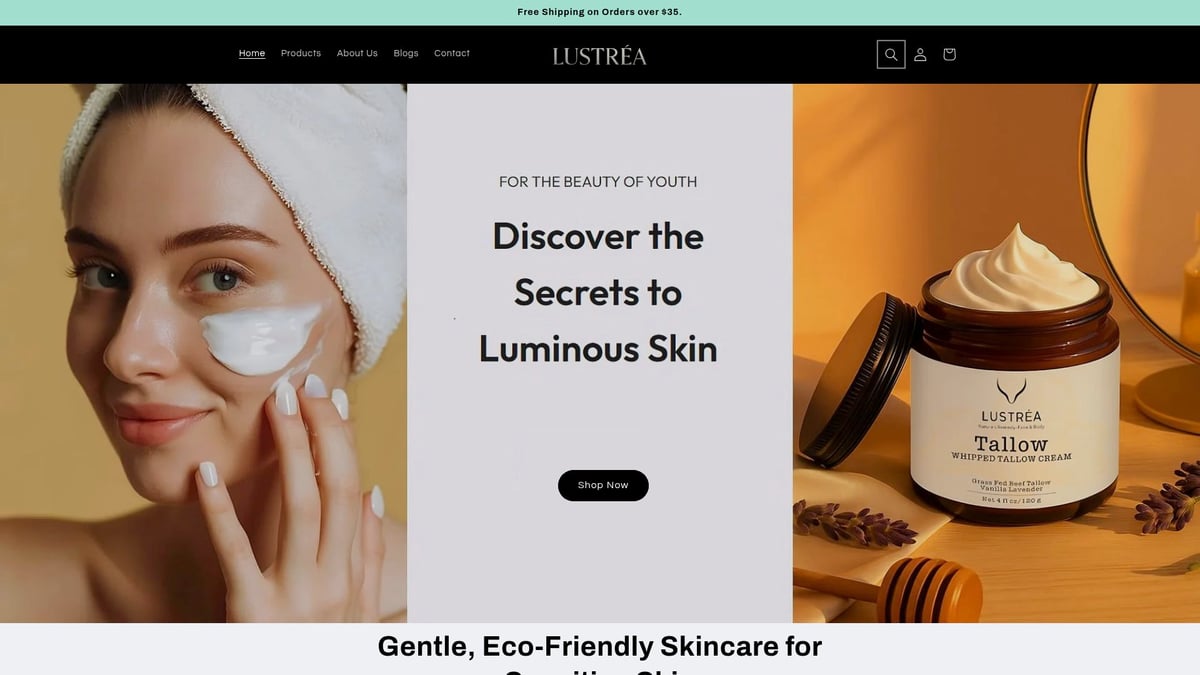
Unique features include rapid, non-greasy absorption and deep hydration for face and body. The brand emphasizes eco-conscious packaging and transparent ingredient sourcing, as detailed in their sourcing commitment. Rigorous quality testing and clear labeling make LUSTRÉA a top choice for those seeking clean, sustainable organic tallow for daily wellness.
Organic Tallow Trends, Sustainability, and Future Outlook for 2025
Organic tallow is experiencing a remarkable resurgence in the wellness and beauty industries. As consumers seek cleaner, more sustainable options, the conversation around organic tallow continues to trend upward. This section explores the most significant developments, from shifting consumer preferences to innovative product launches, and forecasts what the future holds for this traditional yet modern ingredient.
Rising Popularity and Consumer Trends
The demand for organic tallow has soared in recent years, driven by a growing preference for multi-purpose, natural products. Shoppers are moving away from synthetic and heavily processed ingredients in favor of ancestral, animal-based solutions that offer transparency and efficacy.
Social media platforms and online communities have played a major role in this shift, fueling DIY skincare trends and sharing positive experiences with organic tallow. According to recent data from Tallow Market Size & Forecast [2033], the global tallow market is projected to expand steadily, reflecting increased interest in both culinary and cosmetic uses.
Consumers appreciate the versatility of organic tallow, using it for everything from cooking to skincare. This trend is expected to continue as more people seek holistic, sustainable routines.
Sustainability and Ethical Considerations
Sustainability is central to the organic tallow movement. Unlike many plant-based oils, organic tallow utilizes byproducts of pasture-raised livestock, reducing waste and supporting regenerative agricultural practices. Eco-minded consumers are increasingly choosing tallow from farms that prioritize animal welfare and environmental stewardship.
Regenerative agriculture not only improves soil health but also aligns with the values of those seeking ethical and sustainable beauty solutions. For a deeper look at these initiatives, see Sustainable Skincare and Regenerative Beauty, which highlights how brands are integrating organic tallow into eco-conscious product lines.
Supporting local farmers and small businesses further enhances the positive impact, making organic tallow a responsible choice in a landscape focused on sustainability.
Innovations and New Applications
The organic tallow industry is evolving rapidly, with brands introducing new processing methods and product types. Advances in rendering and purification yield tallow with higher nutrient retention and smoother textures, making it more appealing for skincare and culinary use.
Recent innovations include:
- Tallow-based sunscreens and serums for sensitive skin.
- Blends with botanicals and essential oils for enhanced benefits.
- Minimalist and zero-waste packaging options.
- Expanded lines for baby care and pet products.
These developments position organic tallow as a leader in the clean beauty and wellness sectors, with continued growth expected as consumers seek effective, sustainable solutions.
Challenges and Controversies
Despite its many benefits, organic tallow faces ongoing challenges. Some consumers raise concerns about scent, heaviness, or ethical sourcing. Others question the transparency of certain brands or worry about greenwashing in marketing.
Key challenges include:
- Addressing misconceptions about animal fats in skincare.
- Ensuring clear labeling and honest communication.
- Navigating complex regulations for organic certification.
- Competing with plant-based and synthetic alternatives.
By tackling these issues head-on, the organic tallow industry can build greater trust and encourage informed, conscious consumer choices.
Expert Insights and Predictions for 2025
Looking ahead, experts predict that organic tallow will play an even larger role in wellness and skincare routines. As consumers become more educated, demand for traceable, high-quality products will rise. Leading brands are setting new standards for purity, sustainability, and transparency.
In 2025, expect to see:
- More collaborations between regenerative farms and skincare companies.
- Broader adoption of organic tallow in mainstream beauty and health markets.
- Continued innovation in product formulation and eco-friendly packaging.
Organic tallow’s future is bright, with its unique blend of tradition, efficacy, and sustainability appealing to a new generation of conscious consumers.