

8 Essential Skin Care Face Cream Tips for Glowing Skin 2025
Unlock the secrets to radiant, glowing skin in 2025 with a skin care face cream routine that goes beyond the basics. Discover how expert-approved strategies can help you achieve luminous, healthy skin every day.
This article reveals 8 essential face cream tips designed to transform your skincare routine and boost your natural glow. Explore the latest ingredient trends, application techniques, and dermatologist-backed advice to maximize every benefit from your face cream.
Ready to upgrade your glow? Dive in and learn how the right steps can make your skin care face cream work smarter for you.
Understanding the Science Behind Face Creams
Unlocking the full potential of any skin care face cream starts with understanding the science behind these essential products. Modern formulations are more sophisticated than ever, blending advanced ingredients with proven delivery systems to boost your skin’s health and radiance.
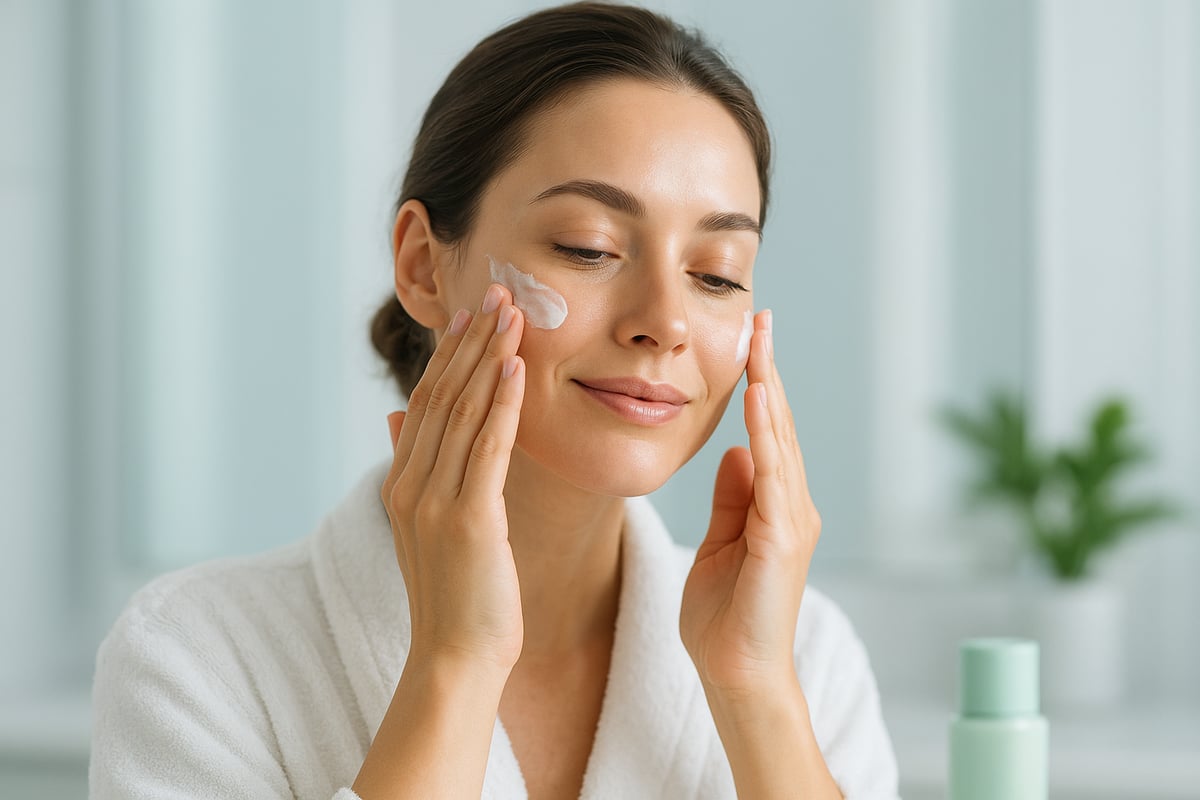
What Makes a Face Cream Effective?
The effectiveness of a skin care face cream depends on its active ingredients and formulation. Key actives like peptides, ceramides, hyaluronic acid, and antioxidants work together to hydrate, repair, and protect your skin. Emollients smooth the skin’s surface, humectants draw in moisture, and occlusives seal it all in, preventing water loss.
Maintaining the right pH balance is crucial for supporting the skin’s natural barrier. Clinical studies confirm that creams containing hyaluronic acid significantly improve hydration, while 78% of dermatologists recommend ceramide-rich formulas for barrier repair. By choosing a well-formulated skin care face cream, you create a foundation for optimal skin health.
How Face Creams Support Glowing Skin
A skin care face cream enhances your glow through multiple mechanisms. First, it hydrates deeply, which plumps the skin and allows it to reflect light more evenly. Second, it reinforces the skin barrier, preventing dullness caused by environmental stressors.
Antioxidants in your cream combat free radicals, further improving radiance and reducing signs of fatigue. Before-and-after comparisons reveal that regular use of a moisturizer makes skin visibly more luminous. When your skin is hydrated and protected, your natural glow truly shines.
2025 Ingredient Trends in Face Creams
The landscape of skin care face cream ingredients is rapidly evolving. In 2025, expect to see a surge in biotech and fermentation-derived actives, such as ectoin and postbiotics, which support both skin health and environmental sustainability. Adaptogens and prebiotics are also gaining traction, addressing the impact of stress and pollution on the skin.
Consumers are increasingly debating the merits of natural versus synthetic ingredients, with market data showing a 30% rise in demand for clean-label creams. For a deeper dive into the latest ingredient innovations, explore 2025 Skincare Ingredient Trends, which highlights how new actives are transforming the skin care face cream market.
Choosing the Right Face Cream for Your Skin Type
Selecting the ideal skin care face cream begins with identifying your skin type: oily, dry, combination, or sensitive. Oily skin benefits from lightweight, non-comedogenic gels, while dry skin requires richer creams packed with lipids and humectants. Combination skin thrives with balanced formulations, and sensitive types need fragrance-free, hypoallergenic options.
Always match the cream’s ingredients and texture to your skin’s needs, and avoid known irritants or allergens. Dermatologists recommend personalizing your selection to ensure your skin care face cream delivers maximum results without causing irritation.
8 Essential Skin Care Face Cream Tips for Glowing Skin 2025
Unlocking radiant, glowing skin in 2025 starts with mastering your skin care face cream routine. Below, discover eight essential tips that blend expert advice, new ingredient trends, and practical strategies to help you achieve your healthiest complexion yet.
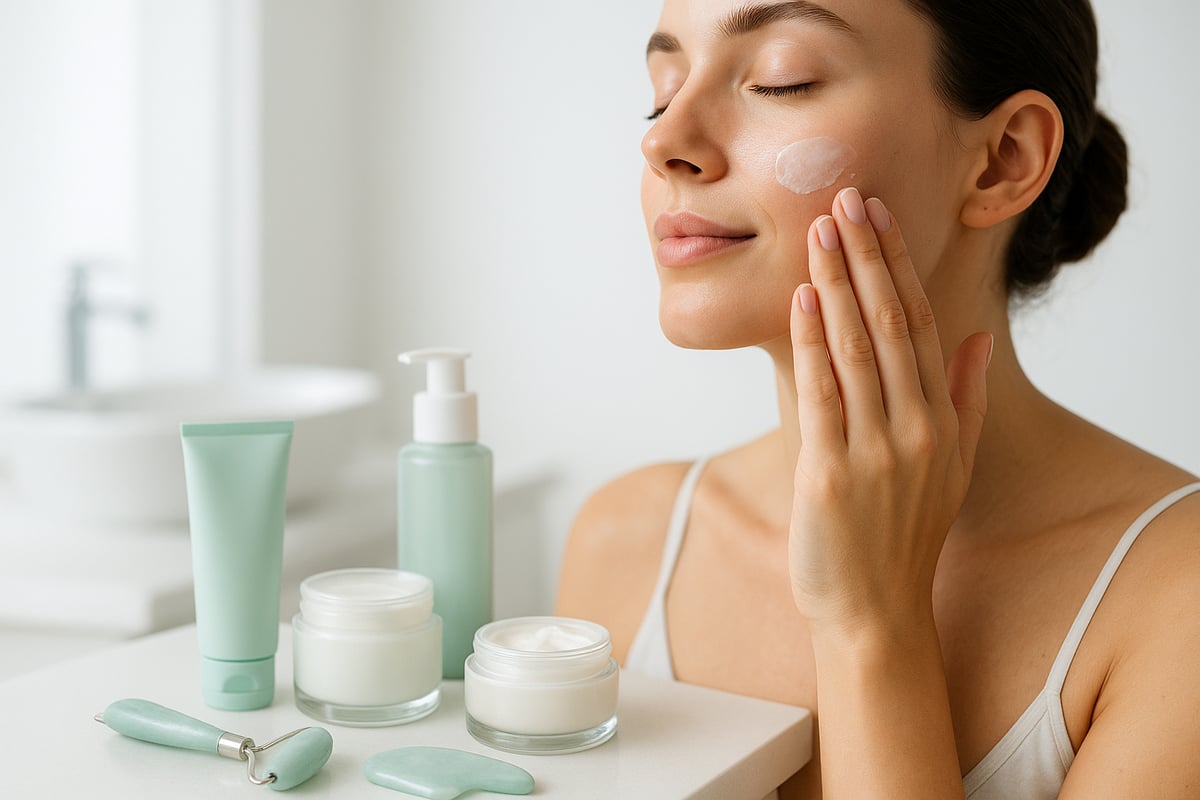
1. Tip: Cleanse Thoroughly Before Application
The first step in maximizing your skin care face cream is thorough cleansing. Removing impurities, sweat, and residual makeup is vital for optimal absorption of active ingredients. Without a clean canvas, even the best creams cannot penetrate effectively.
Start with the double cleansing method. Use an oil-based cleanser to dissolve makeup and sunscreen, followed by a gentle water-based cleanser to lift away debris. This approach ensures your skin is free from buildup that can block pores and dull your glow.
A recent survey found that 62% of users noticed their skin care face cream worked better after adopting proper cleansing habits. However, avoid harsh cleansers that strip natural oils, as they can disrupt your skin barrier and lead to dryness or irritation.
For best results, cleanse nightly to remove the day's pollutants and in the morning to prep your skin for the day ahead. Always use lukewarm water, which helps maintain the skin’s moisture balance and prevents over-drying.
A clean face is the foundation for every glowing complexion.
2. Tip: Apply Face Cream on Damp Skin
One of the most effective ways to boost the performance of your skin care face cream is to apply it to damp skin. When your skin is slightly moist, it absorbs active ingredients more efficiently, allowing hydration and nutrients to penetrate deeply.
After cleansing, pat your face with a towel but leave it a bit damp. You can also mist your skin with a hydrating toner or water. This creates the ideal environment for your cream to lock in moisture.
Clinical data shows that hydration levels increase by 25% when cream is applied to damp, not dry, skin. The technique is equally important—gently pat the cream in, rather than rubbing, to avoid irritation and to enhance absorption.
Avoid letting your skin dry completely post-cleansing, as this can reduce the effectiveness of your skin care face cream. This simple change in your routine can lead to a noticeable improvement in skin glow and suppleness over time.
3. Tip: Layer Products Correctly for Maximum Benefit
For your skin care face cream to deliver optimal results, you must layer your products in the right order. Start with water-based serums, followed by treatments, then your moisturizer, and finish with sunscreen in the morning.
Always apply water-based products before oil-based ones. This prevents heavier creams from blocking lighter serums and ensures every ingredient penetrates effectively. Clinical studies confirm that correct layering improves the efficacy of active ingredients and enhances overall skin health.
Be mindful of ingredient combinations. For example, avoid using retinol and vitamin C together, as they can irritate the skin when layered. Wait one to two minutes between each layer to allow for better absorption and to prevent pilling.
Correct layering is the secret to unlocking the full potential of your skin care face cream and other products in your routine.
4. Tip: Choose Face Creams with Antioxidants and SPF
Antioxidants like vitamin C, vitamin E, and niacinamide are essential for a luminous complexion. These ingredients combat free radicals, brighten dullness, and protect against environmental stressors. Incorporating SPF into your skin care face cream routine is equally crucial, as it shields your skin from UV damage and premature aging.
A 2024 study revealed that daily SPF use leads to 24% more radiant skin compared to those who skip sun protection. For best results, look for broad-spectrum SPF 30 or higher in your day creams.
Pairing antioxidant serums with SPF creams creates a synergistic effect, boosting your skin’s defense and glow. When considering natural options, explore a Natural anti-aging face moisturizer for effective, clean ingredients and added anti-aging benefits.
Antioxidants and sun protection are non-negotiables for anyone seeking true radiance in 2025.
5. Tip: Adjust Creams Seasonally and With Age
Your skin care face cream needs change with both the seasons and your age. During warmer months, lightweight gels and hydrating lotions prevent clogged pores and excess shine. In colder weather, richer creams with added lipids and ceramides help protect against dryness and harsh winds.
As you age, your skin often requires more moisture, peptides, and nourishing oils to maintain elasticity and firmness. A survey showed that 70% of people see better results by switching creams to match seasonal and age-related needs.
Adapt your routine to humidity and temperature changes. For mature skin, opt for creams with anti-aging actives like peptides and hyaluronic acid for extra support.
Listening to your skin and making these adjustments ensures year-round glow.
6. Tip: Don’t Forget the Neck and Décolletage
When applying your skin care face cream, extend the application beyond your jawline to your neck and décolletage. These areas are often neglected, yet they show signs of aging and sun damage just as much as your face.
Use the same active-rich creams on your neck and chest to maintain a uniform glow. Dermatologists recommend upward strokes when applying cream to these delicate areas, as this technique supports circulation and prevents sagging.
A gentle massage not only helps with absorption but also boosts microcirculation, encouraging a healthy, luminous appearance. Remember, consistent care of these regions is key to an overall youthful look.
7. Tip: Be Consistent and Patient With Your Routine
Consistency is the cornerstone of every effective skin care face cream regimen. Most creams require daily, twice-daily application for four to eight weeks before visible results appear.
Studies show that 80% of users experienced a noticeable glow after 30 days of consistent use. To stay motivated, track your progress with photos or a skincare journal. This helps you see subtle changes and prevents unnecessary product switching.
Avoid the temptation to change routines too frequently, as this can disrupt your skin’s balance and slow progress. Patience and dedication will reward you with the luminous skin you desire.
8. Tip: Avoid Overuse and Product Overload
In 2025, the minimalist approach to skin care face cream is trending for a reason. Using too many products or overapplying can overwhelm your skin, leading to irritation, redness, congestion, and dullness.
Dermatologists warn against layering more than three or four active ingredients at a time. Watch for signs of overuse, such as increased sensitivity or breakouts. Stick to a core routine—cleanser, serum, moisturizer, and SPF—for the healthiest glow.
Before introducing new creams, perform a patch test to rule out potential reactions. Embracing a simplified routine supports your skin barrier and enhances the effectiveness of each product.
Maximizing Your Face Cream Results: Expert Insights
Unlocking the full potential of your skin care face cream requires more than simply applying it each day. By following expert-backed techniques and avoiding common pitfalls, you can ensure every drop delivers maximum benefit. Explore these essential insights to elevate your glow routine and achieve lasting results.
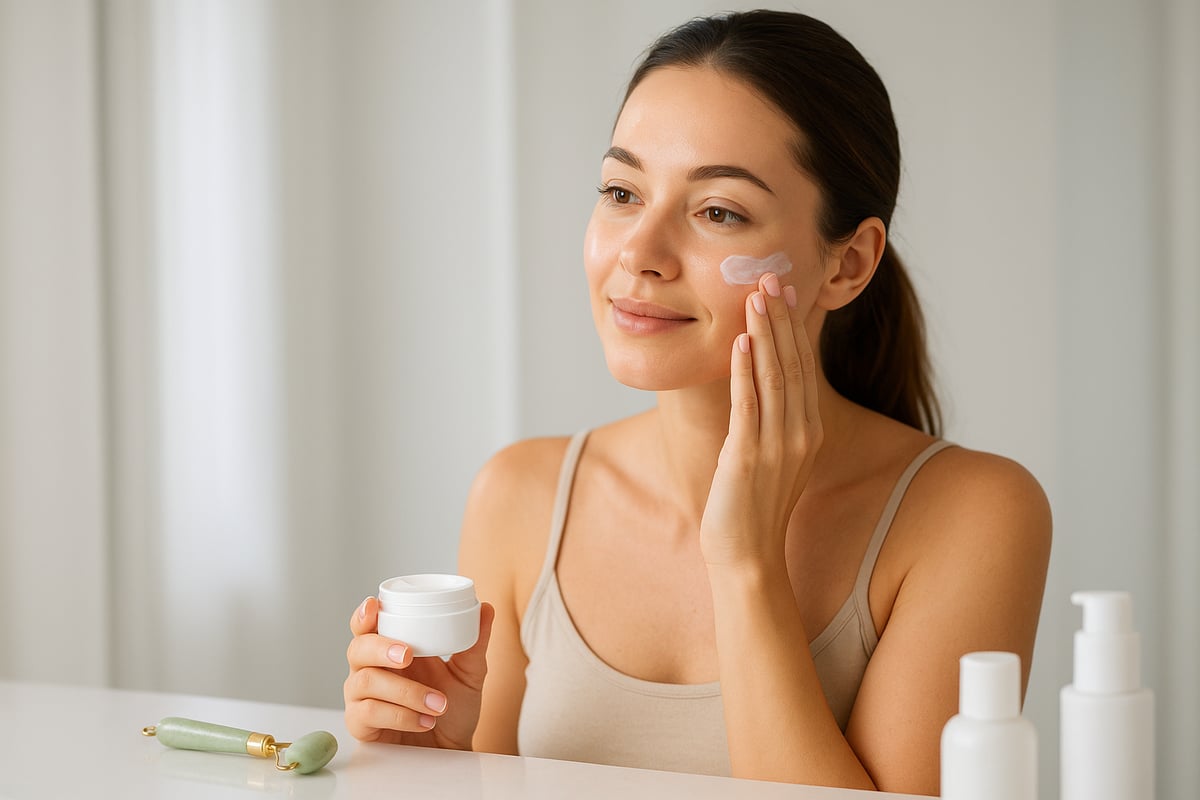
Dermatologist-Recommended Face Cream Application Techniques
Applying your skin care face cream correctly is crucial for optimal absorption and visible improvement. Dermatologists recommend starting with a clean, slightly damp face to enhance penetration.
Use the dotting method by placing small amounts of cream on your forehead, cheeks, nose, and chin. Then, gently warm the product between your palms before pressing it into the skin. This approach helps distribute the cream evenly and prevents tugging.
For the neck and décolletage, use upward and outward strokes to support lymphatic drainage and minimize sagging. Around the delicate eye area, apply your skin care face cream with gentle tapping motions using your ring finger to avoid stretching sensitive skin.
Incorporating these expert techniques ensures that active ingredients reach their target layers, supporting a radiant, even complexion. By mastering your application, you maximize the effects of every formula in your routine.
Common Mistakes to Avoid With Face Creams
Even the best skin care face cream can fall short if used incorrectly. One frequent mistake is applying expired or contaminated products, which can lead to irritation and reduced efficacy. Using too much cream can clog pores, while too little may not provide enough hydration or protection.
Skipping sunscreen after morning moisturizer is another common error, leaving skin vulnerable to UV damage and dullness. Mixing incompatible actives, such as retinol with vitamin C, may cause sensitivity or reduce results.
For more guidance on troubleshooting ineffective creams, consider reading Moisturizer not working solutions for expert advice. Avoiding these pitfalls and maintaining proper hygiene helps your skin care face cream deliver its intended glow and nourishment.
How to Boost Face Cream Performance With Lifestyle Choices
Your daily habits play a significant role in enhancing the performance of your skin care face cream. Staying hydrated by drinking enough water supports skin plumpness and elasticity, allowing creams to lock in moisture more effectively.
Nutrition also matters. Consuming antioxidant-rich foods like berries, leafy greens, and nuts boosts your skin’s natural defenses and complements topical antioxidants. Prioritizing quality sleep and managing stress reduces inflammation and supports skin renewal, amplifying the effects of your skin care face cream.
Avoiding smoking and limiting alcohol intake further protects your skin’s glow. By aligning your lifestyle with your skin care goals, you create the ideal environment for your face cream to deliver transformative results.
The Role of Facial Massage and Tools
Facial massage and the use of tools such as gua sha stones or jade rollers can significantly enhance the benefits of your skin care face cream. These practices improve microcirculation, support lymphatic drainage, and help distribute the product evenly across your skin.
To use these tools effectively, always start with clean hands and sanitized instruments. Apply your skin care face cream, then use gentle upward strokes with your tool, focusing on areas prone to puffiness or tension. Regular massage not only improves absorption but also leaves your complexion looking refreshed and radiant.
Many users report increased radiance and a more defined facial contour with consistent facial massage. Incorporating these simple steps can elevate your routine and unlock a healthy, luminous glow.
Navigating Face Cream Ingredients: What to Look For and Avoid
Choosing the right skin care face cream in 2025 demands a careful look at ingredients, both for performance and safety. With new trends and technologies shaping the market, understanding what goes into your cream is essential for achieving a luminous complexion.
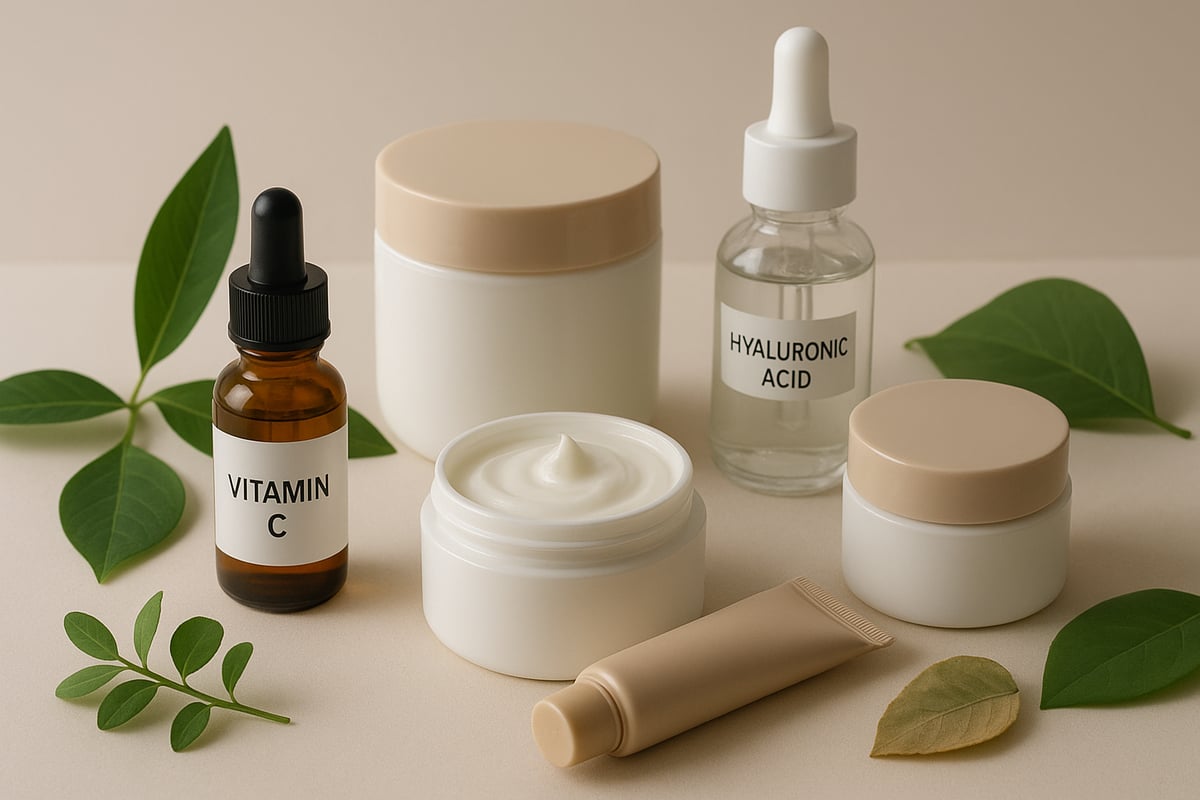
Key Ingredients for Glowing Skin in 2025
The most effective skin care face cream formulations in 2025 focus on powerhouse ingredients that deliver results. Look for vitamin C, niacinamide, peptides, hyaluronic acid, and squalane for deep hydration and barrier support. Plant-based actives such as bakuchiol, licorice root, and centella asiatica are also gaining traction for their gentle yet potent effects. Biotech and fermentation-derived ingredients are making creams even more effective and suitable for sensitive skin. For a deeper dive into the benefits of botanicals, explore this Botanical skincare ingredient benefits guide, which highlights why these extracts are so valuable in modern face creams.
Ingredients to Avoid for Sensitive or Acne-Prone Skin
Not all skin care face cream ingredients are universally beneficial. Sensitive or acne-prone skin may react poorly to alcohol, synthetic fragrances, parabens, and sulfates, which can disrupt the skin barrier. Certain occlusives like mineral oil and lanolin can clog pores for some users, leading to breakouts. Dermatologists recommend patch testing new creams and avoiding formulas with known irritants. Selecting fragrance-free, non-comedogenic options will help maintain a healthy, glowing complexion without unwanted side effects.
Decoding Ingredient Labels and Claims
Understanding skin care face cream labels is crucial in making informed choices. Terms like “non-comedogenic,” “hypoallergenic,” and “dermatologist-tested” indicate a product’s safety profile, but they are not always strictly regulated. Marketing claims may not reflect scientific backing, so check ingredient lists for proven actives. The FDA provides guidelines on cosmetic labeling, but consumers should remain vigilant and prioritize transparency from brands. Learning to read labels empowers you to select creams that truly align with your skin’s needs.
Clean Beauty and Sustainability Trends
In 2025, skin care face cream buyers are prioritizing sustainability and clean beauty. Brands are adopting eco-friendly packaging, refillable containers, and biodegradable materials to reduce environmental impact. Certifications like cruelty-free, vegan, and organic are increasingly important to consumers seeking ethical options. Demand for sustainable ingredients is rising, with many preferring plant-based actives and minimalistic formulas. By supporting brands that value both skin health and the planet, you contribute to a brighter future for beauty.
Customizing Your Face Cream Routine for Your Skin Goals
Personalizing your skin care face cream routine is the key to unlocking your best glow. By tailoring your regimen to your unique needs, you can target concerns more effectively and see transformative results.
Start by evaluating your main skin concerns. Are you battling dullness, dryness, early signs of aging, or uneven pigmentation? Identifying your skin’s current needs will guide you toward the most effective skin care face cream formulas and active ingredients.
A thoughtful routine separates your morning and evening approaches. In the morning, opt for lightweight creams with antioxidants and SPF. At night, richer creams with peptides or ceramides help repair and replenish. This day-night strategy ensures round-the-clock support for your skin.
For targeted results, add specialized treatments to your skin care face cream routine when needed. For instance, spot creams can address pigmentation, while overnight masks boost hydration. Consider creams with hyaluronic acid and peptides, as clinical studies confirm their efficacy for smoother, more hydrated skin (Efficacy of Hyaluronic Acid and Peptide Creams).
If you find it challenging to choose, consult a dermatologist or skincare professional. They can help you adapt your skin care face cream regimen to your lifestyle, preferences, and even eco-friendly goals. For more ideas on sustainable customization, explore these eco-friendly skin care tips.
Frequently Asked Questions About Face Creams and Glowing Skin
Unlocking the full benefits of your skin care face cream often raises practical questions. Below, we address the most common concerns about timelines, product combinations, and formulation differences to help you make informed choices for glowing skin.
How Long Does It Take to See Results From a New Face Cream?
Results from a new skin care face cream can vary depending on the product type, your skin's baseline condition, and how consistently you use it. Most creams deliver immediate hydration, which you may notice as plumper, more comfortable skin within the first day.
For visible glow and deeper improvements like brightness or firmness, expect a timeline of four to eight weeks with regular use. Hydration and barrier repair happen quickly, while effects from antioxidants or peptides develop gradually. If your skin care face cream contains actives like retinol or vitamin C, allow at least a month for optimal results.
Consistency is key—track your progress with weekly photos or a skin journal. If irritation or no improvement occurs after two months, consult a dermatologist to adjust your regimen.
Can You Use Multiple Face Creams Together?
Layering more than one skin care face cream is possible, but it requires strategy. Typically, lighter, water-based creams go on first, followed by richer, oil-based ones. This approach helps each formula absorb properly and prevents pilling.
However, avoid using too many actives at once, as mixing incompatible ingredients could cause irritation. Dermatologists recommend limiting your routine to three or four core products. If you're interested in supporting your skin's microbiome, consider creams with prebiotics and postbiotics. Learn more about Microbiome-Friendly Skincare Formulations to make informed choices.
Always patch test new combinations to prevent unwanted reactions. Use day and night creams as designed for best results.
What’s the Difference Between a Face Cream and a Face Lotion?
The main difference between a skin care face cream and a lotion lies in their texture and oil content. Creams are thicker and richer, making them ideal for dry or mature skin, especially during colder months. Lotions are lighter and absorb quickly, suiting oily or combination skin and warmer climates.
Here’s a quick comparison:
| Product Type | Texture | Oil Content | Best For | Typical Use |
|---|---|---|---|---|
| Cream | Thick | Higher | Dry/mature | Night/winter |
| Lotion | Light | Lower | Oily/normal | Day/summer |
Choosing between a skin care face cream and lotion depends on your skin’s needs and the season. Adjust your routine as your skin changes for optimal glow.