

Skincare for Hydrating Skin: The Complete Guide 2025
Glowing, youthful skin starts with proper hydration, and in 2025, this is more important than ever. As awareness grows around the vital role of skin hydration, more people are prioritizing skincare for hydrating skin in their daily routines.
Dehydrated skin can lead to dullness, irritation, and even early signs of aging. But with the right knowledge and habits, you can transform your complexion.
In this complete guide, you will discover actionable steps, expert advice, and the latest science to help you achieve and maintain radiant, healthy skin. Ready to unlock the secrets of lasting hydration? Let’s begin your journey.
The Science of Skin Hydration
Achieving optimal results with skincare for hydrating skin starts with understanding the science behind your skin’s ability to hold moisture. Let’s explore how your skin barrier works, why moisture escapes, and what true hydration really means for every skin type.
Understanding the Skin Barrier
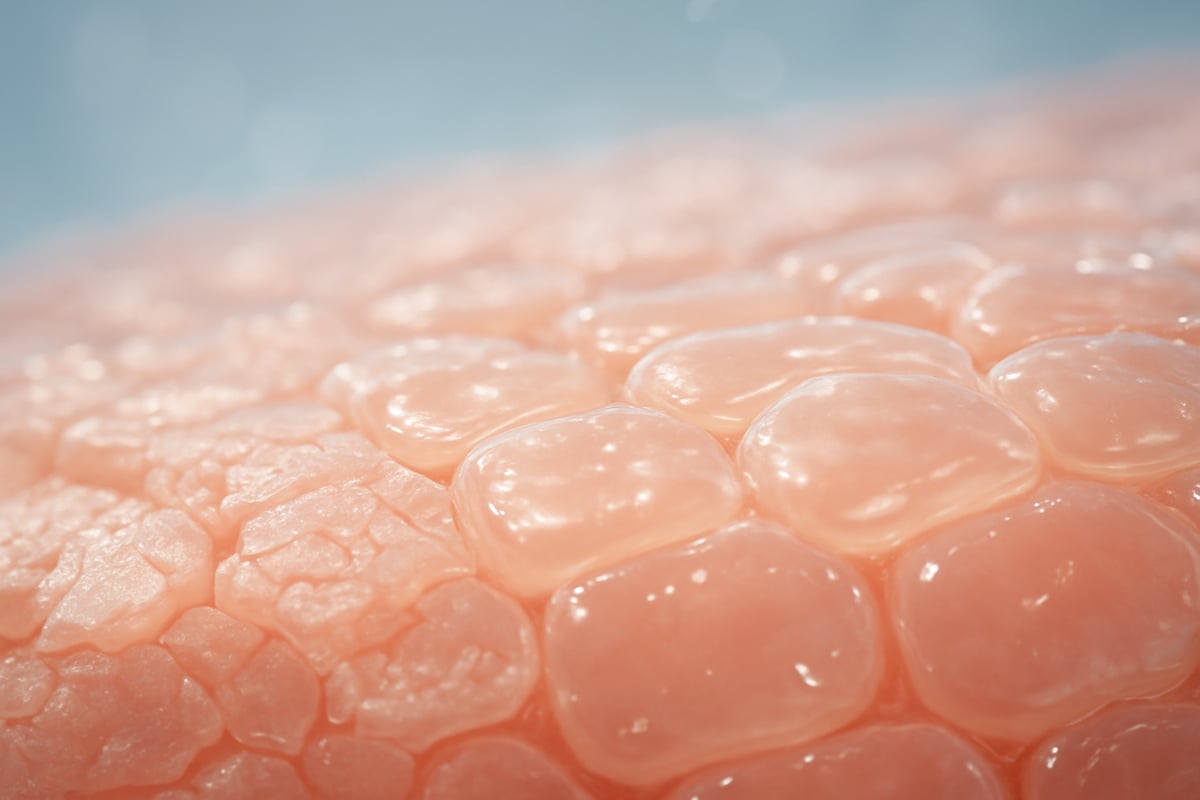
The skin barrier, or stratum corneum, acts as the frontline defense in skincare for hydrating skin. This outermost layer consists of tightly packed skin cells, lipids, and natural moisturizing factors (NMFs).
A healthy barrier keeps moisture locked in while blocking irritants and pollutants. Under a microscope, hydrated skin reveals smooth, plump cells, while a compromised barrier appears cracked and uneven. In fact, up to 60% of the skin’s moisture is lost when this barrier is damaged.
Recent research has expanded our understanding of how physiological and environmental factors impact the skin’s barrier function. For an in-depth look, see Physiological factors impacting skin hydration.
How Skin Loses Moisture
Transepidermal water loss (TEWL) is at the core of skincare for hydrating skin. TEWL describes the process where water naturally evaporates from the skin surface.
Common environmental factors like cold weather, high pollution, or constant air conditioning can speed up this process. Lifestyle choices, such as taking hot showers or using harsh cleansers, also increase water loss. For example, during winter, TEWL rates can rise by 25% in dry climates, making skin feel tight and uncomfortable.
Hydration vs. Moisturization
Many people confuse hydration and moisturization in their skincare for hydrating skin routine. Hydration means adding water to the skin, while moisturization refers to sealing that water in. Both are vital for healthy, resilient skin.
For instance, humectants like hyaluronic acid attract moisture, hydrating the skin. Emollients and occlusives, such as squalane or shea butter, help lock in that moisture. Some products focus on only one aspect, so layering is essential for complete hydration.
Skin Types and Hydration Needs
Every skin type requires tailored skincare for hydrating skin. Oily, dry, combination, and sensitive skin all face dehydration risks. Even oily skin can lack water, often leading to excess sebum production as a compensatory response.
For example, someone with oily yet dehydrated skin may notice shiny areas alongside flaky patches. Studies show 35% of people with oily skin report dehydration symptoms, highlighting the importance of hydration for everyone.
Causes of Dehydrated Skin in 2025
Hydrated skin is not just a trend—it is essential for health and beauty. In 2025, understanding the causes of dehydration is crucial for anyone serious about skincare for hydrating skin. From shifting climates to lifestyle choices, several factors can strip moisture and leave your complexion dull or irritated.

Environmental Factors
The environment is a major player in skincare for hydrating skin. Climate change has led to rising temperatures, unpredictable weather, and increased UV exposure. These conditions accelerate water loss from the skin.
Urban pollution also plays a role. Polluted air contains particles that penetrate and disrupt the skin barrier. City dwellers often experience drier skin compared to those in rural areas.
- Rising UV exposure increases dehydration risk.
- Air pollution increases transepidermal water loss by 20 percent.
- Seasonal changes, like winter, amplify dryness.
Awareness of your environment helps you adjust your skincare for hydrating skin effectively.
Lifestyle and Habits
Your daily habits have a direct impact on skincare for hydrating skin. Diet, hydration, and substance use all influence your skin’s moisture levels.
Consuming caffeine or alcohol can dehydrate the body and skin. Smoking reduces blood flow, impairing the skin’s ability to retain water. Poor sleep and long flights also contribute to dehydration.
- 75 percent of adults do not meet daily hydration goals.
- High-sodium diets and lack of fruits and vegetables lower skin moisture.
- Sleep deprivation weakens the skin barrier.
Making mindful choices supports successful skincare for hydrating skin every day.
Skincare Mistakes
Incorrect routines can sabotage your skincare for hydrating skin. Over-exfoliation or using harsh cleansers strips natural oils, leaving skin vulnerable.
Skipping moisturizer, especially for oily skin, is a common error. Products with alcohol or strong fragrances can worsen dehydration. For more on common pitfalls and solutions, see Why Your Moisturizer Isn't Working.
- Alcohol-based toners can cause dryness and irritation.
- Using incompatible products disrupts hydration.
- Misconceptions about oily skin lead to skipping essential steps.
A thoughtful approach is vital for effective skincare for hydrating skin.
Age, Hormones, and Genetics
Intrinsic factors also affect skincare for hydrating skin. As you age, natural hydration declines by 15 percent per decade after age 30. Hormonal shifts—such as pregnancy, menopause, or puberty—can disrupt moisture balance.
Genetics determine your baseline hydration and predispose you to dryness or sensitivity.
- Age reduces the skin’s ability to retain water.
- Hormonal changes can lead to unpredictable dryness.
- Genetic factors influence how skin responds to the environment.
Understanding these elements helps you customize skincare for hydrating skin throughout your life.
Step-by-Step Hydrating Skincare Routine
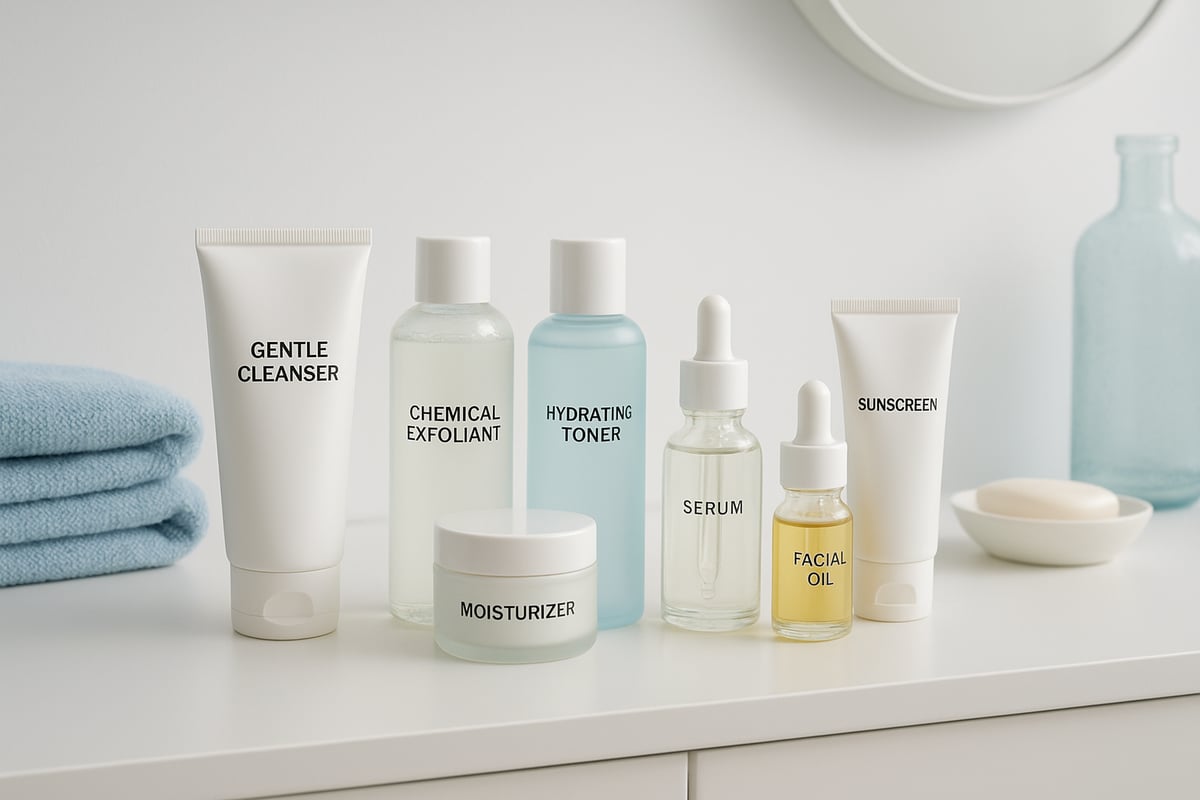
Unlocking optimal results with a step-by-step routine is at the core of effective skincare for hydrating skin. Each phase, from cleansing to sun protection, plays a crucial role in maintaining a plump, radiant complexion. If you are ready to refine your regimen, this guide details every essential step for transformative hydration.
Cleansing for Hydration
A gentle cleanse lays the foundation for successful skincare for hydrating skin. Harsh cleansers can strip your skin of essential oils, weakening the barrier and making hydration harder to maintain. Opt for sulfate-free, alcohol-free creamy cleansers that remove debris without disrupting moisture balance.
- Creamy or milky cleansers suit dry, sensitive, or mature skin
- Gel-based formulas are ideal for oily skin, provided they hydrate
- Avoid foaming cleansers with sulfates, which can increase dryness
Switching to hydrating cleansers can reduce feelings of tightness and dryness. For a complete breakdown of building a routine that supports hydration, see Building a Natural Skincare Routine.
Exfoliation: Frequency and Methods
Exfoliation is a key step in skincare for hydrating skin, as it removes dead cells that block moisture absorption. Choose chemical exfoliants, like lactic or mandelic acid, for gentle yet effective results. Physical scrubs can be too harsh and worsen dehydration.
- Sensitive skin: exfoliate once weekly with mild acids
- Oily or combination skin: 2-3 times per week, adjusting as needed
- Always follow with hydrating products to replenish moisture
Over-exfoliation can damage your skin barrier, so listen to your skin’s needs and adjust frequency accordingly.
Hydrating Toners and Essences
Hydrating toners and essences are essential in skincare for hydrating skin, prepping the surface to absorb moisture more deeply. Look for formulas rich in humectants like glycerin, hyaluronic acid, or panthenol.
- Apply toner immediately after cleansing for best results
- Layering multiple light hydrating products boosts absorption
- Patting techniques help increase penetration
Consistent use of hydrating toners can leave your complexion visibly plumper and more refreshed throughout the day.
Serums and Boosters
Serums deliver concentrated active ingredients, making them vital in skincare for hydrating skin. Choose serums with hyaluronic acid, polyglutamic acid, or peptides to attract and retain water in the skin.
- Apply serum to damp skin for enhanced absorption
- Layer under moisturizer to lock in hydration
- Use boosters as targeted treatments for extra dryness
This step maximizes hydration and provides additional benefits, such as improved elasticity and reduced fine lines.
Moisturizers: Types and Application
Moisturizers are the cornerstone of skincare for hydrating skin, acting as a seal to prevent water loss. Choose a texture that matches your skin type:
| Skin Type | Recommended Moisturizer |
|---|---|
| Oily | Gel or lightweight lotion |
| Dry | Rich cream or balm |
| Combination | Light cream or lotion |
| Sensitive | Fragrance-free cream |
Apply moisturizer while your skin is still slightly damp to trap hydration. Adjust your formula seasonally for best results.
Occlusives and Overnight Masks
To complete skincare for hydrating skin, occlusives and sleeping masks offer an extra layer of moisture protection. Occlusives like petrolatum or shea butter form a physical barrier, locking in all previous hydration.
- Use a thin layer of occlusive after your moisturizer at night
- Overnight hydrating masks can be applied 2-3 times a week
- Great for dry or compromised skin needing intensive repair
This step helps prevent overnight water loss, ensuring you wake up with soft, supple skin.
Sunscreen and Daytime Protection
The final step in skincare for hydrating skin is daily sun protection. Hydrating sunscreens protect against UV-induced dehydration and premature aging.
- Choose broad-spectrum SPF with hydrating ingredients
- Reapply every two hours when exposed to sunlight
- Look for formulas with antioxidants for extra defense
Consistent sunscreen use preserves your skin’s moisture barrier and maintains its youthful glow.
Key Ingredients for Deep Skin Hydration
Unlocking optimal results in skincare for hydrating skin starts with understanding the key ingredients that drive real moisture. The right blend of humectants, emollients, occlusives, and innovative actives can transform how your skin looks and feels. Let’s break down the science and the latest trends, so you can make informed choices for lasting hydration.
Humectants: Drawing Water In
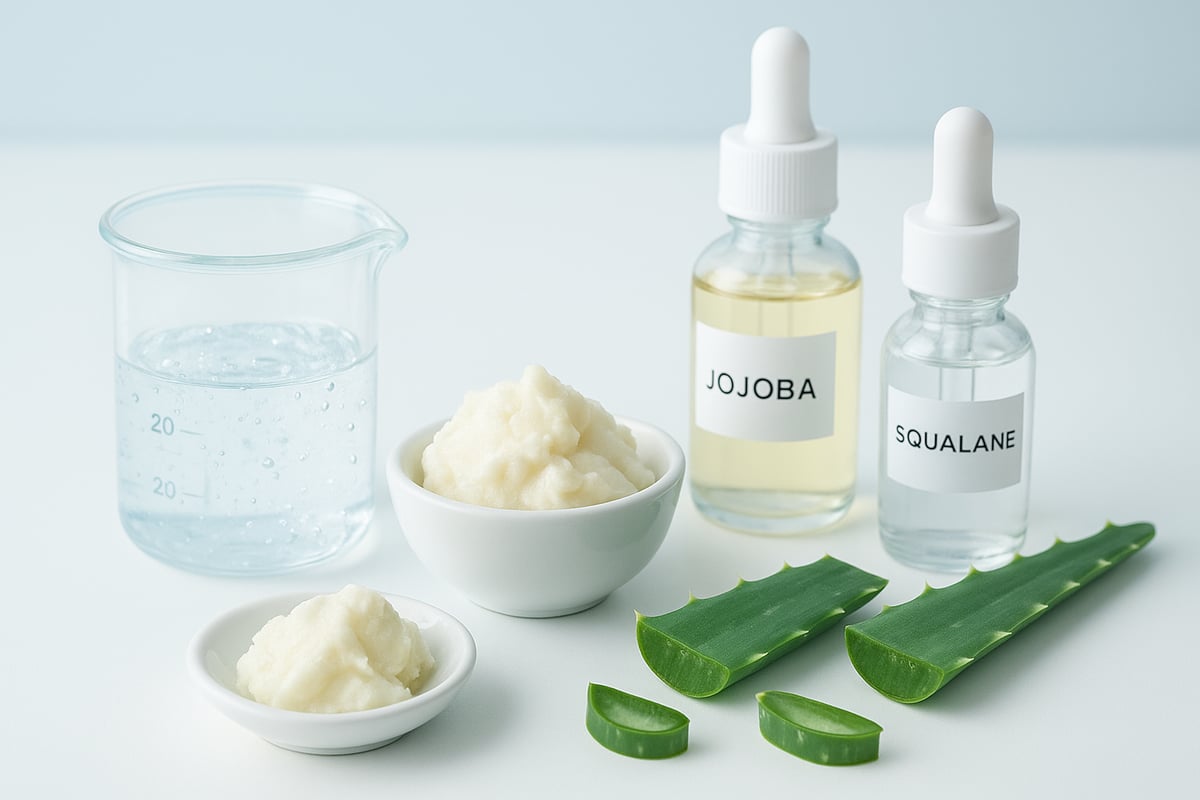
Humectants are the cornerstone of skincare for hydrating skin because they attract water from the environment and deeper skin layers. Common humectants include hyaluronic acid, glycerin, and aloe vera. These molecules have a unique ability to bind water, increasing the skin’s moisture content.
For example, hyaluronic acid can hold up to 1000 times its weight in water, making it a superstar in hydration-focused routines. A serum with just 2 percent hyaluronic acid can boost skin hydration by 30 percent, according to recent studies.
By incorporating humectants into your skincare for hydrating skin, you help plump and smooth your complexion, making it look more radiant and youthful.
Emollients: Smoothing and Softening
Emollients play a vital role in skincare for hydrating skin by filling gaps between skin cells. This leads to a softer, smoother surface and helps repair a compromised barrier. Popular emollients include squalane, jojoba oil, and ceramides, all of which mimic the skin’s natural lipids.
Ceramide creams are especially beneficial for eczema-prone or sensitive skin. In clinical studies, emollient use has been shown to reduce skin roughness by 40 percent. Choosing the right emollient-rich product can make all the difference. For a deeper dive into effective moisturizers, read this guide on the Best Moisturizer for Face and Skin.
Integrating emollients into your skincare for hydrating skin routine ensures lasting comfort and resilience.
Occlusives: Sealing in Moisture
Occlusives are essential in skincare for hydrating skin because they form a physical barrier on the skin’s surface, locking in moisture and preventing water loss. Common occlusives include petrolatum, shea butter, and beeswax. These ingredients are particularly effective for very dry or compromised skin.
For example, petrolatum can reduce water loss by up to 98 percent when applied over other hydrating layers. Layering occlusives over humectants and emollients maximizes hydration and creates a protective shield, especially overnight or in harsh weather.
By adding occlusives to your skincare for hydrating skin regimen, you ensure that all the moisture you worked to add stays put.
Innovative and Trending Ingredients in 2025
The landscape of skincare for hydrating skin continues to evolve with new, cutting-edge ingredients. In 2025, peptides, polyglutamic acid, and fermented extracts are making waves. Polyglutamic acid, for instance, holds four times more water than hyaluronic acid, offering exceptional hydration.
Microbiome-friendly hydrators are also trending, supporting the skin’s natural defenses. Vegan alternatives and plant-based actives are gaining popularity for those seeking clean beauty options. Market analysis reveals a 50 percent surge in fermented skincare sales this year.
Embracing these innovative ingredients in your skincare for hydrating skin routine helps you stay ahead and achieve the best possible results.
Ingredients to Avoid for Dehydrated Skin
Knowing what to avoid is just as important in skincare for hydrating skin as knowing what to include. Steer clear of alcohols, strong fragrances, harsh surfactants, and certain acids. These ingredients can strip the skin, worsening dehydration and sensitivity.
Denatured alcohol in toners is a common culprit for irritation and dryness. Instead, look for clean, minimal-ingredient formulas that focus on gentle hydration. Many experts recommend eliminating potential irritants from your skincare for hydrating skin approach for optimal comfort and moisture.
Choosing wisely protects your skin’s barrier and supports lasting hydration.
Lifestyle Habits for Long-Lasting Skin Hydration
Achieving truly radiant, hydrated skin extends beyond topical products. The foundation of effective skincare for hydrating skin rests on daily habits and environmental choices. By addressing internal and external factors, you can help your skin maintain optimal moisture year-round.
Diet and Nutrition
Your diet is a cornerstone of skincare for hydrating skin. Consuming foods rich in omega-3 fatty acids, such as salmon, chia seeds, and walnuts, supports your skin’s natural moisture barrier. Antioxidant-packed fruits and vegetables, like berries and leafy greens, help combat oxidative stress and inflammation.
Water-rich foods, including cucumbers and watermelon, further enhance hydration. The Mediterranean diet, known for its healthy fats and abundance of produce, has been linked to improved skin moisture and resilience. Clinical studies show that diets high in omega-3s can boost skin moisture by 12 percent. Small changes in your daily meals can deliver visible benefits for your skin.
Hydration from Within: Water and Beverages
Proper hydration is vital for skincare for hydrating skin. Experts recommend the 8x8 rule: eight 8-ounce glasses of water daily, though individual needs may vary. Chronic dehydration affects roughly 60 percent of adults, making regular water intake essential.
Caffeine and alcohol can contribute to dehydration, so moderation is key. Opt for herbal teas and sparkling water for variety. Scientific research, such as the Dietary water affects human skin hydration and biomechanics study, confirms that increasing water intake positively impacts skin’s moisture and elasticity. Simple habits, like carrying a water bottle, can make a significant difference.
Sleep and Stress Management
Quality rest is another pillar of skincare for hydrating skin. While you sleep, your body repairs and regenerates skin cells, replenishing moisture lost throughout the day. Aim for at least seven hours each night to support optimal skin hydration.
Chronic stress elevates cortisol levels, which can impair the skin barrier and reduce moisture. Techniques such as meditation, deep breathing, and regular exercise help manage stress, allowing your skin to recover. Studies indicate that sleep deprivation can decrease skin moisture by up to 30 percent, underscoring the importance of healthy sleep routines.
Environmental Adjustments
Your surroundings play a major role in skincare for hydrating skin. Dry air from heaters or air conditioning can quickly sap moisture. Using a humidifier, especially in winter, adds essential humidity to indoor spaces, helping to keep skin supple. Clinical data shows humidifier use can increase skin hydration by 15 percent.
Protect your skin outdoors by wearing hats, scarves, and sunscreen to shield against wind, sun, and pollution. Making small adjustments, such as lowering thermostat settings or placing plants indoors, can help maintain a balanced environment for your skin.
Skincare Routine Consistency
Consistency is crucial for successful skincare for hydrating skin. Establish a daily routine that includes gentle cleansing, layering hydrating products, and sealing in moisture with the right moisturizer for your skin type.
Adapt your regimen as seasons change, switching to richer creams in colder months or lighter gels during summer. Remember, visible, long-term results come from ongoing care rather than sporadic efforts. Staying committed to your routine empowers your skin to stay hydrated, healthy, and resilient.
Frequently Asked Questions about Hydrating Skincare
Understanding the finer points of skincare for hydrating skin can transform your approach to daily routines. Below, we answer the most pressing questions to help you achieve and maintain optimal skin hydration.
How can I tell if my skin is dehydrated?
Recognizing dehydration is crucial for effective skincare for hydrating skin. Look for signs such as tightness, dullness, fine lines, and increased sensitivity. Unlike dry skin, which lacks oil, dehydrated skin lacks water. A quick pinch test on your cheek can reveal dehydration if the skin does not bounce back quickly.
Technology now offers advanced ways to assess hydration. For deeper insight, non-invasive bioengineering methods can measure moisture levels and provide a scientific basis for your skincare for hydrating skin routine. Learn more about these advancements in skin hydration assessment through non-invasive technologies.
Can oily skin be dehydrated?
It is a common misconception that oily skin does not need skincare for hydrating skin. In reality, oil and water content are different. Oily skin can lack water, leading to dehydration that triggers excess sebum production. This paradox results in skin that appears greasy yet feels tight or flaky.
If you notice shiny areas alongside rough patches or increased breakouts, your oily skin may be dehydrated. Addressing this with targeted skincare for hydrating skin can help balance oil production and improve overall skin health.
How often should I hydrate my skin?
Consistency is key when it comes to skincare for hydrating skin. Most experts recommend hydrating twice daily, morning and evening, to maintain moisture balance. If you live in a dry climate, are exposed to air conditioning, or swim frequently, you may need to reapply moisturizer more often.
Adjust your routine based on seasonal changes, age, and activity level. For example, after exercise or swimming, replenishing lost moisture is essential. Skincare for hydrating skin should be a regular part of your lifestyle, not just an occasional step.
What are the best products for sensitive, dehydrated skin?
Sensitive, dehydrated skin requires gentle, effective skincare for hydrating skin. Opt for products that are fragrance-free, contain minimal ingredients, and include soothing actives like ceramides or centella asiatica. These formulations support the skin barrier and reduce irritation.
Rich creams, such as those with ceramides or natural moisturizers like tallow balm, can provide deep hydration and comfort. Discover how grass-fed tallow balm hydrates and soothes dry, sensitive skin for another effective option. Always patch-test new products and introduce them gradually into your skincare for hydrating skin regimen.
Can I over-hydrate my skin?
While diligent skincare for hydrating skin is beneficial, over-layering products can lead to congestion and breakouts. Signs of over-hydration include a sticky feeling, clogged pores, and increased blemishes. Listen to your skin and adjust the amount and frequency of product use as needed.
Balance is essential. Too much moisturizer can be just as problematic as too little. Tailor your skincare for hydrating skin to your unique needs, and remember, sometimes less is more for achieving a healthy, hydrated complexion.