

7 Expert Tips on Skincare for Hydration in 2025
As we enter 2025, the spotlight on skincare for hydration is brighter than ever. Environmental shifts and busy lifestyles are making it essential to rethink how we care for our skin.
Recent advances in research and technology are shaping smarter routines and innovative products. These developments are helping everyone achieve healthy, radiant skin—no matter your age or skin type.
Optimal hydration means more than just moisture; it delivers plumpness, glow, and resilience. Who doesn't want skin that looks and feels its best every day?
Ready to transform your routine? Discover seven expert tips that will empower you with the most effective, science-backed strategies for achieving and maintaining hydrated, healthy skin in the year ahead.
The Science of Skin Hydration in 2025
Skin hydration science continues to evolve rapidly in 2025, reflecting new research and environmental challenges. Understanding what keeps your skin hydrated, which ingredients deliver real results, and how to tailor routines is crucial for effective skincare for hydration.
Understanding How Skin Retains Moisture
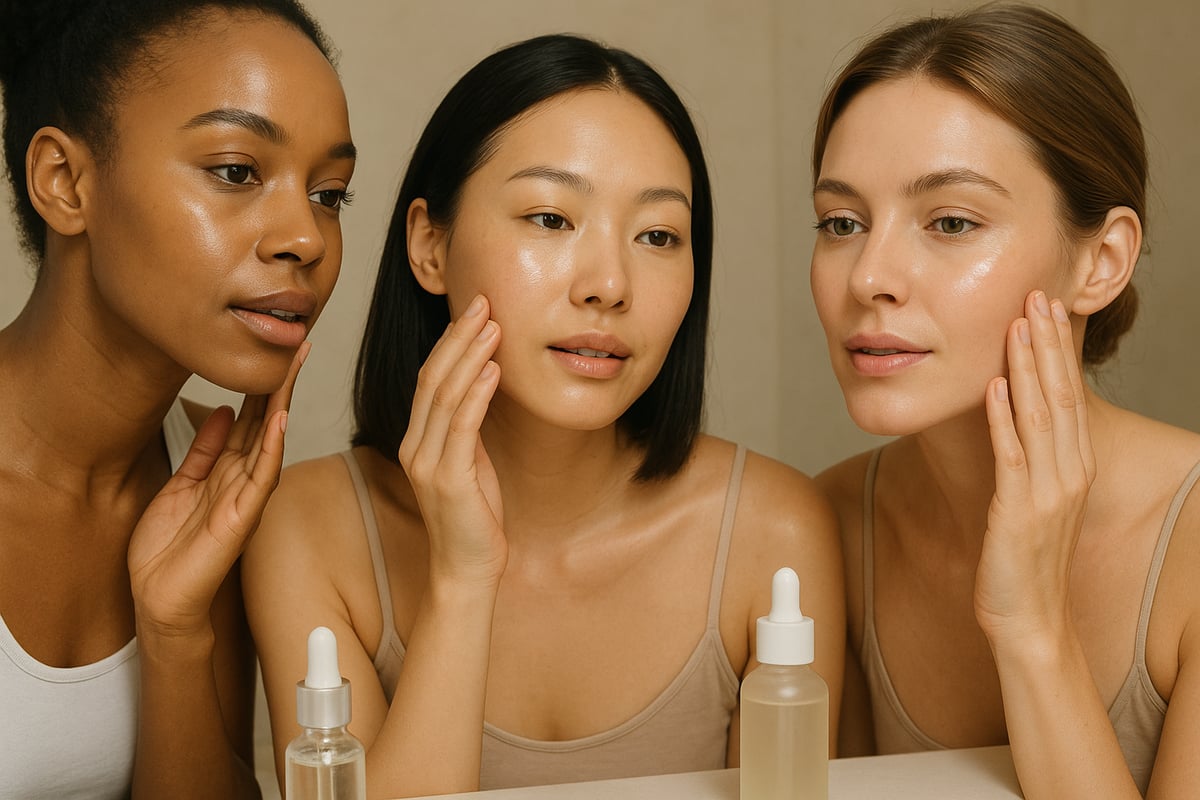
At the core of skincare for hydration is the skin barrier, a multi-layered structure that locks in moisture and shields against external stressors. When this barrier is compromised, transepidermal water loss (TEWL) increases, leading to dryness and dehydration. Recent studies show that up to 60% of adults now experience mild dehydration due to environmental factors like pollution and climate change.
Maintaining optimal skin pH is vital for hydration. When the skin’s pH shifts, it can trigger dullness, flakiness, and fine lines. In 2025, breakthroughs in barrier-repair ingredients and hydration science are helping more people achieve healthy, resilient skin. Recognizing early signs of dehydration is key for anyone seeking effective skincare for hydration.
Emerging Hydration Ingredients and Technologies
Innovation is driving skincare for hydration into the future. Next-generation humectants, such as polyglutamic acid and advanced hyaluronic acid, draw and hold water more efficiently. Smart delivery systems, including encapsulated and time-release actives, ensure moisture stays where it is needed most. The rise of microbiome-friendly moisturizers supports overall skin health and hydration.
Demand for biotech-derived ingredients has surged, with 40% growth reported in 2025. Artificial intelligence now personalizes routines, analyzing skin via smartphone for precise hydration needs, as shown in AI-driven skin hydration assessment. These advances make skincare for hydration more effective and accessible than ever.
Personalization: Tailoring Hydration to Your Skin Type
No two people have identical skincare for hydration needs. Age, gender, ethnicity, and genetics all play a role in how skin retains moisture. Digital analysis tools in 2025 make it easier to identify your unique skin type and build a tailored hydration routine. Oily skin may need lightweight gels, while dry skin benefits from richer creams.
Lifestyle factors, like diet and stress, also affect hydration. Always patch test new ingredients to avoid irritation. Personalized skincare for hydration means using the right products and routines to meet your skin’s changing needs all year long.
Common Myths About Skin Hydration
Many myths surround skincare for hydration. One common misconception is that oily skin does not need hydration, but lack of moisture can trigger even more oil production. Drinking water is important, but topical hydration is essential for direct skin benefits.
Over-moisturizing can lead to breakouts or milia, so balance is crucial. Not all natural oils are suitable for every skin type. Trust evidence-based advice from dermatologists to separate fact from fiction when it comes to skincare for hydration.
7 Expert Tips on Skincare for Hydration in 2025
Achieving optimal skincare for hydration in 2025 is both an art and a science. With evolving products, technology, and research, maintaining hydrated, healthy skin requires updated strategies. Below, discover seven expert-backed tips that blend the latest innovations with proven best practices to help you master skincare for hydration, regardless of your skin type or lifestyle.
1. Choose Water-Rich, Lightweight Formulas
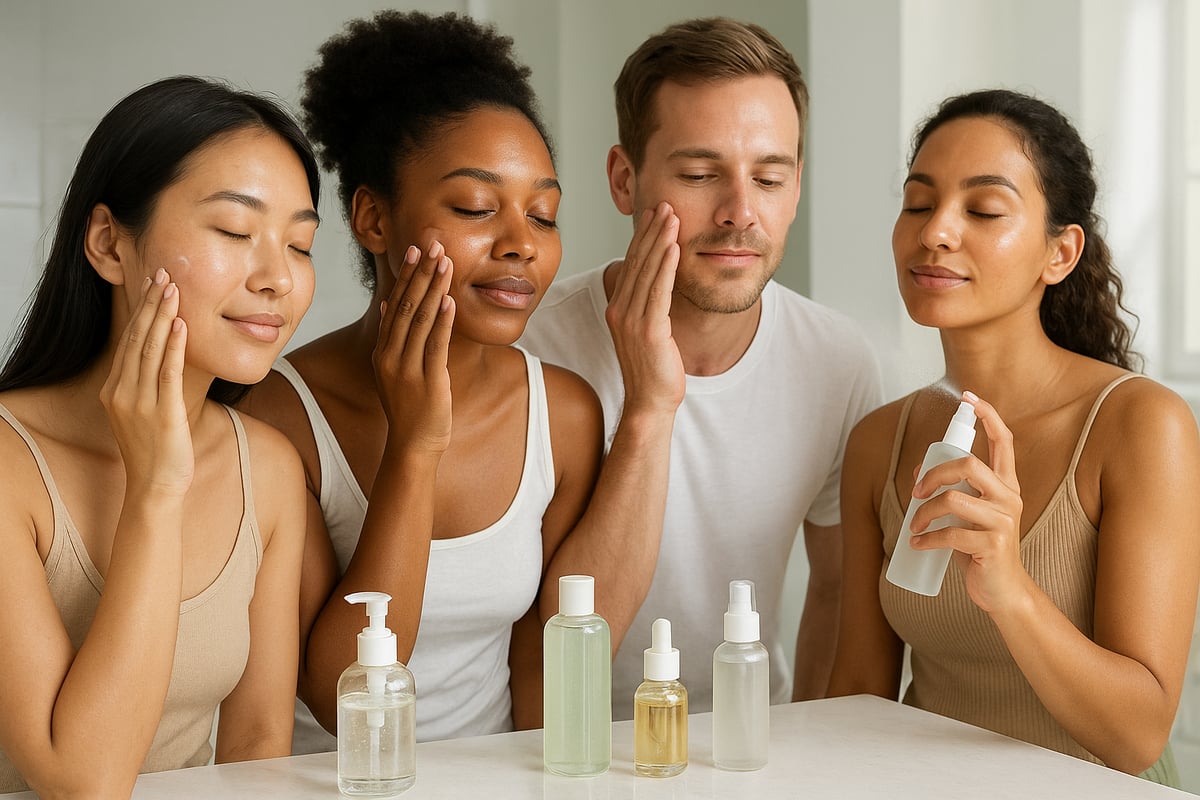
Lightweight, water-based products are the backbone of effective skincare for hydration. Gels, serums, and lotions with high water content absorb rapidly, delivering moisture without heaviness. This is especially beneficial for oily and combination skin, which can become congested with thick creams.
Compare water-based gels to heavier creams:
| Product Type | Best For | Texture | Absorption | Hydration Level | Example Ingredient |
|---|---|---|---|---|---|
| Gel moisturizer | Oily/Combo/Sensitive | Light | Fast | Moderate | Aloe Vera |
| Lightweight lotion | Normal/Combo | Silky | Moderate | Moderate-High | Glycerin |
| Rich cream | Dry/Mature | Dense | Slow | High | Shea Butter |
Reading product labels is crucial. Look for ingredients like aqua/water as the first listed, and avoid alcohol-heavy formulas that can counteract skincare for hydration by stripping moisture.
A 2024 survey found that 62% of users prefer gel moisturizers for daily skincare for hydration. For sensitive skin, aloe vera-based hydrators are gentle yet effective. Remember, lighter formulas can be layered for extra effect, while heavier creams are best reserved for nighttime or harsh climates.
For more tailored advice and product insights, explore Hydrating Skincare Tips and Insights.
2. Incorporate Advanced Humectants Like Hyaluronic Acid and Polyglutamic Acid
Humectants are the secret agents of skincare for hydration, drawing water from the environment and deeper skin layers. Hyaluronic acid, glycerin, and polyglutamic acid each play distinct roles. While hyaluronic acid is renowned for holding up to 1,000 times its weight in water, polyglutamic acid can retain five times more, making it a star in next-generation formulas.
Layering humectants with other ingredients amplifies hydration. For deeper results, multi-weight hyaluronic acid serums target various skin layers, while polyglutamic acid locks in surface moisture.
Be mindful of molecular weight: low-weight molecules penetrate deeply, while high-weight stay on the surface for immediate plumping. However, overuse can cause stickiness or disrupt balance, so follow product instructions closely.
Recent research confirms that combining these advanced humectants in skincare for hydration delivers superior results compared to using just one. When building your routine, look for products that blend multiple humectants for both immediate and long-lasting effects.
3. Opt for Non-Comedogenic and Breathable Hydration
Non-comedogenic products are essential in skincare for hydration, especially if you have acne-prone or sensitive skin. These formulas are designed not to block pores, reducing the risk of breakouts while ensuring skin stays hydrated.
Look for labels indicating oil-free, lightweight, and fast-absorbing properties. Common non-comedogenic ingredients include squalane, niacinamide, and certain silicones. Sunscreen-moisturizer hybrids that provide hydration without heaviness are especially popular in 2025.
A 2025 dermatologist consensus shows that non-comedogenic hydration reduces acne flare-ups by 30%. To test if a product fits this category, apply a small amount to your jawline and monitor for reactions over a few days.
Key characteristics of effective skincare for hydration in this category:
- Oil-free
- Lightweight
- Quick absorption
- No pore-clogging ingredients
Personalization is key, so adjust your routine based on how your skin responds.
4. Integrate Light, Nourishing Oils for Barrier Support
Light, nourishing oils like jojoba, squalane, and grapeseed are valuable additions to skincare for hydration. These oils mimic your skin’s natural sebum, helping maintain a balanced barrier and preventing water loss.
Best practice involves layering a few drops of oil over humectant serums to seal in moisture. For example, squalane oil is non-greasy and suitable even for oily or combination skin. Avoid heavy oils like coconut oil if you’re prone to breakouts.
Myths about oils making skin greasy are outdated. Modern, lightweight oils absorb quickly and support hydration without clogging pores. A 2024 trend report lists light oils among the top five dermatologist-recommended products for skincare for hydration.
Tips for using oils:
- Use after serums or mists
- Apply sparingly (2–3 drops)
- Avoid heavy oils if acne-prone
Experiment with different oils to find what works best for your skin type.
5. Limit Over-Cleansing and Use Gentle Cleansers
Cleansing is a foundation of skincare for hydration, but over-cleansing can strip essential oils, leading to dryness and irritation. Most experts recommend washing your face twice a day—morning and evening—with a gentle, pH-balanced cleanser.
Harsh or sulfate-based cleansers increase transepidermal water loss by up to 20%, according to recent studies. Signs you’re over-cleansing include tightness, irritation, or increased oiliness as your skin tries to compensate.
Opt for sulfate-free, cream, or micellar water cleansers, especially if you have sensitive skin. After cleansing, always follow with a hydrating toner or mist to replenish moisture.
Quick tips for maintaining skincare for hydration:
- Avoid hot water
- Pat skin dry with a soft towel
- Apply moisturizer immediately after cleansing
Gentle cleansing preserves your skin’s barrier, setting the stage for effective hydration.
6. Use Facial Mists and On-the-Go Hydration Boosters
Facial mists are a simple yet powerful addition to skincare for hydration. They deliver instant moisture throughout the day, refresh skin, and can even be layered over makeup.
Look for mists with ingredients like rose water, hyaluronic acid, and antioxidants. The best times to mist include after cleansing, before moisturizer, and during travel or dry weather. Layering a mist before moisturizer creates a “moisture sandwich” effect, locking in hydration.
Differentiate between hydrating mists and setting sprays—only the former are formulated for skincare for hydration. DIY mists with filtered water and gentle botanicals are an option, though store-bought versions often contain advanced actives.
A 2025 consumer survey revealed facial mist use is up 35% year-over-year. Incorporate mists into your routine for a convenient hydration boost anytime you need it.
7. Support Hydration with Lifestyle and Diet
Skincare for hydration is not only about what you put on your skin—it’s also about how you care for your body. Drinking adequate water, eating hydrating foods like cucumber and watermelon, and including omega-3-rich sources nourish your skin from within.
Sleep, stress management, and regular exercise all impact your skin’s moisture levels. Limiting dehydrating habits such as excessive caffeine, alcohol, and sun exposure further supports your hydration goals.
A 2024 study found that increasing water intake by one liter daily improved skin hydration within two weeks. Consider supplementation with collagen or ceramides if recommended by your dermatologist.
Integrate mindful skincare for hydration habits into your daily life for lasting results.
The Role of Emollients and Humectants in Modern Skincare
Hydrated, healthy skin relies on the right balance of emollients and humectants. These essential ingredients form the backbone of effective skincare for hydration, ensuring that moisture is both drawn into and sealed within the skin. Understanding how they function can help you make informed choices for your daily routine.
What Are Emollients and Humectants?
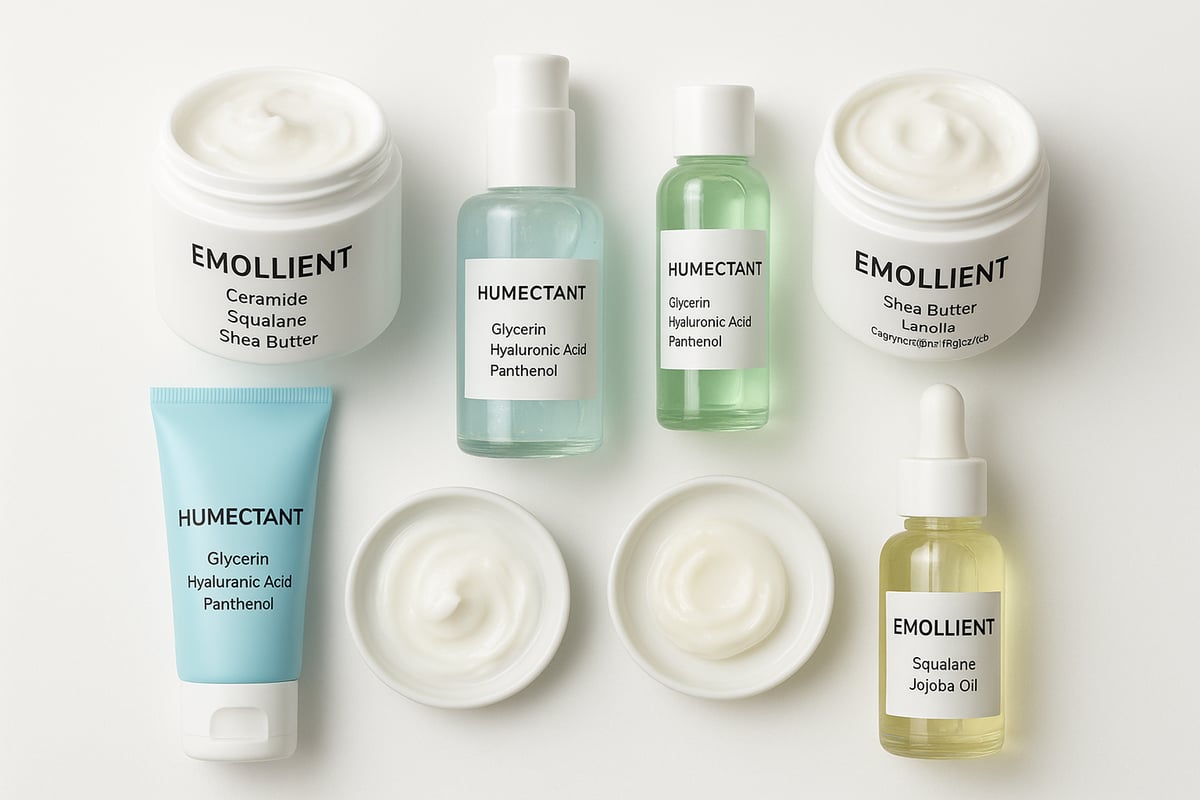
Emollients and humectants are two fundamental categories of ingredients in skincare for hydration. Emollients, such as ceramides, shea butter, and tallow, create a smooth surface by filling gaps between skin cells, helping to lock in moisture and maintain the skin barrier.
Humectants, including glycerin, hyaluronic acid, and polyglutamic acid, draw water from the environment and deeper skin layers into the outermost skin. When used together, these ingredients provide both immediate and long-lasting hydration.
For those with dry skin, Why Tallow Works for Dry Skin offers valuable insight into how tallow-based emollients can deliver deep, lasting moisture as part of a comprehensive skincare for hydration approach.
Choosing the Right Combination for Your Skin Type
Selecting the best emollient and humectant pairing depends on your skin’s unique needs. For dry skin, rich emollients like shea butter or ceramides, layered over humectants, provide maximum moisture retention. Oily or combination skin types may benefit from lighter emollients, such as squalane, combined with water-attracting humectants.
Layering is key in skincare for hydration. Apply humectants first, followed by emollients to seal in the moisture. Avoid mixing actives that could cause irritation, such as retinoids with certain acids. Sample routines often include a hydrating serum followed by a non-comedogenic moisturizer.
Innovations in Emollient and Humectant Formulations
The landscape of skincare for hydration is evolving rapidly. New plant-based and biotech emollients offer eco-friendly options with enhanced barrier support. Advances in delivery systems, such as encapsulation and time-release technology, ensure that both emollients and humectants penetrate deeper and work longer.
Recent market analysis shows that blends of emollients and humectants are the fastest-growing moisturizer category. Leading brands now integrate advanced ingredients for more effective hydration, tailoring products for every skin type and concern. These innovations are reshaping how we approach daily skincare for hydration.
Hydration Pitfalls to Avoid in 2025
Staying on top of skincare for hydration in 2025 requires a nuanced approach. Even with advanced products and routines, simple missteps can undermine results. Being aware of common pitfalls can help you achieve and maintain optimal skin moisture all year long.
Over-Moisturizing and Product Layering Mistakes
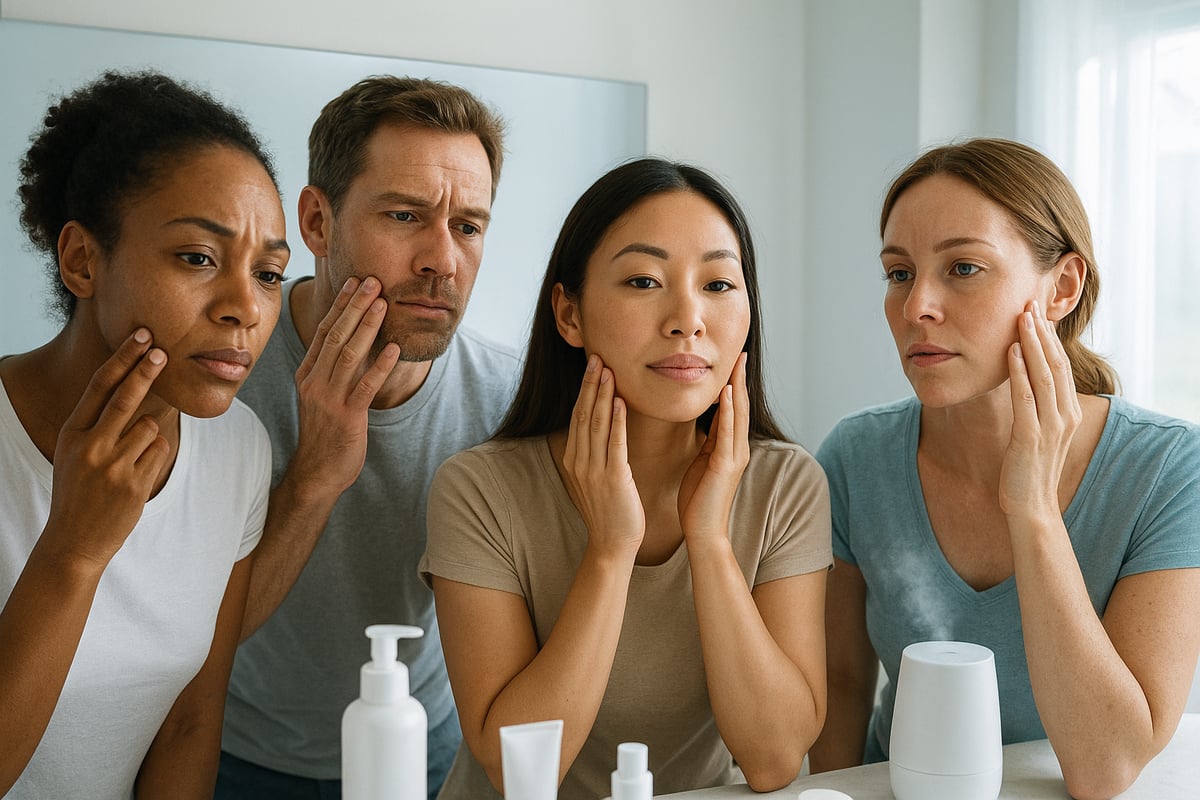
Too many layers or excessive use of rich creams can overload your skin. Signs of overdoing skincare for hydration include breakouts, milia, and a dull appearance. While layering is important, using too many products at once can cause irritation or block pores.
To prevent these issues, focus on a balanced regimen. Use lightweight formulas and don't apply more than your skin needs. Refer to Building a Natural Skincare Routine for step-by-step guidance on product layering and optimal routines.
A simple, personalized approach often leads to better skin hydration than a complex, overloaded one.
Ignoring Environmental and Seasonal Changes
Neglecting to adjust your skincare for hydration in response to shifting weather or indoor climate can cause dryness or oiliness. Cold, dry air in winter may require richer creams, while humid summers often call for lighter gels.
Pay attention to your environment. Use a humidifier indoors during heating season and switch products as needed. For example, swap gel moisturizers for creams when temperatures drop.
Failing to adapt your routine can leave your skin vulnerable to dehydration, so always consider both external and internal climate factors.
Relying Solely on Topical Products
Topical products are essential for skincare for hydration but are not the entire solution. If you ignore internal hydration, your skin may still show signs of dryness, even with the best serums and creams.
Support your routine by drinking water, eating hydrating foods, and managing lifestyle factors like sleep and stress. Supplements such as collagen or ceramides can further boost skin moisture.
Combining topical and internal strategies creates a holistic approach, ensuring long-lasting hydration from the inside out.
Neglecting Sun Protection and Barrier Repair
Skipping SPF is a major mistake in skincare for hydration. UV rays accelerate moisture loss and weaken the skin barrier, leading to premature aging and dehydration.
Incorporate a broad-spectrum sunscreen into your daily routine, even on cloudy days. Look for moisturizers that include barrier-repairing ingredients like ceramides or niacinamide. For more on the science behind this, see the Hydration benefits of solar protective skincare research.
Prioritizing sun protection and barrier repair is essential for maintaining hydrated, resilient skin year-round.
Frequently Asked Questions About Skincare for Hydration in 2025
What’s the difference between hydration and moisturization?
Understanding the distinction between hydration and moisturization is essential for effective skincare for hydration. Hydration refers to increasing the water content of the skin, while moisturization involves sealing that water in to prevent loss. Hydrating products typically contain humectants like hyaluronic acid, which attract water to the skin’s surface. Moisturizers, on the other hand, use emollients and occlusives to lock in that hydration.
Think of hydration as quenching your skin’s thirst, while moisturization is like putting a lid on a water bottle to stop evaporation. For optimal skincare for hydration, use hydrating serums first, then follow with a moisturizer tailored to your skin type.
How often should I reapply hydrating products?
Frequency of application plays a big role in skincare for hydration, especially with changing environments in 2025. Generally, apply hydrating products twice daily, morning and evening. However, factors like climate, activity level, and skin type can influence this routine.
For those in dry or air-conditioned settings, midday touch-ups with a facial mist or light serum can boost hydration. After workouts or travel, reapply as needed. Layering hydrating products, such as mists under moisturizers, helps maintain consistent moisture levels. Always listen to your skin and adjust your routine for the best skincare for hydration results.
Can I hydrate my skin if I have acne or sensitive skin?
Absolutely, skincare for hydration is vital for all skin types, including acne-prone and sensitive skin. The key is selecting non-comedogenic and gentle hydrating ingredients, such as hyaluronic acid, glycerin, or squalane. Avoid products with heavy oils, fragrances, or alcohols that might trigger irritation or breakouts.
For more tailored advice on hydrating acne-prone skin, explore Non-Comedogenic Hydration for Acne-Prone Skin for recommendations and routines backed by dermatology experts. Consistent hydration soothes sensitivity and supports barrier repair, making it a cornerstone of modern skincare for hydration.
Are there any new trends in hydration for 2025?
Yes, skincare for hydration in 2025 is shaped by exciting innovations in both ingredients and technology. Trending components include polyglutamic acid, biotech-derived humectants, and microbiome-friendly moisturizers. Devices like AI-driven skin analyzers are helping users personalize their hydration routines more than ever.
For a closer look at what’s making waves, see this guide to Emerging skincare ingredients in 2025, which spotlights the latest breakthroughs in hydration science. Staying updated on trends ensures your skincare for hydration routine remains effective, efficient, and future-ready.